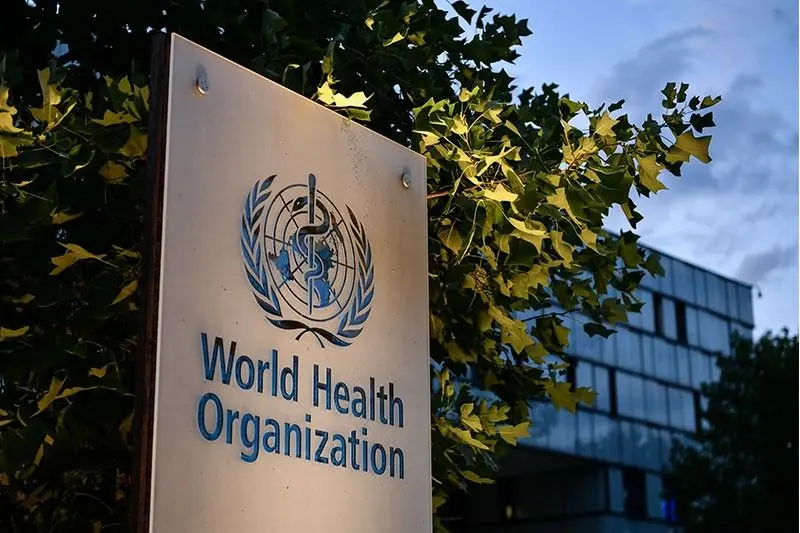
The World Health Organisation (WHO) on Wednesday opened a major international conference on traditional medicine, highlighting how modern technologies such as Artificial Intelligence can help bring scientific validation to age-old healing practices.
The three-day meeting in New Delhi is focused on how governments can better regulate traditional medicine while using advanced scientific tools to confirm which treatments are safe and effective. The WHO says this approach could help ancestral health practices work more smoothly alongside modern healthcare systems.
WHO Director-General, Dr Tedros Adhanom Ghebreyesus, said interest in traditional medicine is growing worldwide and should not be dismissed as outdated.
“Traditional medicine is not a thing of the past. There is a growing demand for it across countries, communities and cultures,” he said in a video message ahead of the conference.
Indian Prime Minister Narendra Modi also described the summit as a step toward unlocking the full potential of traditional medicine. A strong supporter of yoga and indigenous health practices, Modi has backed the WHO Global Centre for Traditional Medicine, launched in 2022 in Gujarat.
According to Shyama Kurvilla, head of the centre, traditional medicine remains a major source of healthcare for millions of people globally. She noted that between 40 and 90 per cent of people in most WHO member states rely on traditional remedies.
“With nearly half of the world’s population lacking access to essential health services, traditional medicine is often the closest or only care available,” she said.
However, the WHO acknowledged concerns about safety, lack of scientific proof and the environmental impact of some traditional products, including the illegal trade in endangered wildlife.
Kurvilla stressed that the organisation’s role is to help countries ensure traditional medicine is safe, evidence-based and properly integrated into healthcare systems. She added that many modern drugs, such as aspirin and some cancer treatments, were originally derived from natural sources used in traditional medicine.
Read Also;
WHO Condemns Deadly Attacks on Hospital and Kindergarten in Sudan
The conference also highlighted how frontier technologies are reshaping research in this field. The WHO announced plans to launch the world’s largest digital library on traditional medicine, containing about 1.6 million scientific records.
WHO Chief Scientist, Dr Sylvie Briand, said artificial intelligence can help analyse complex herbal compounds, study drug interactions and reduce harmful side effects. Advanced imaging tools are also helping scientists understand how practices like meditation and acupuncture affect the body.
Describing the moment as a turning point, Kurvilla said modern science is creating a bridge between ancient knowledge and future healthcare.
“It is frontier science connecting the past and the future,” she said.