Nearly seven months after launching investigations into the alleged mismanagement of billions of dollars meant for the rehabilitation of Nigeria’s state-owned refineries, the Economic and Financial Crimes Commission (EFCC) has yet to arraign any of the sacked refinery executives, despite reports of substantial recoveries.
In May, the anti-graft agency invited top officials of the Port Harcourt, Warri and Kaduna refineries over allegations that about $2.95bn released for maintenance and quick-fix rehabilitation was mismanaged. The probe followed the April dismissal of the managing directors and several senior officials of the refineries, alongside other shake-ups within the Nigerian National Petroleum Company Limited (NNPC).
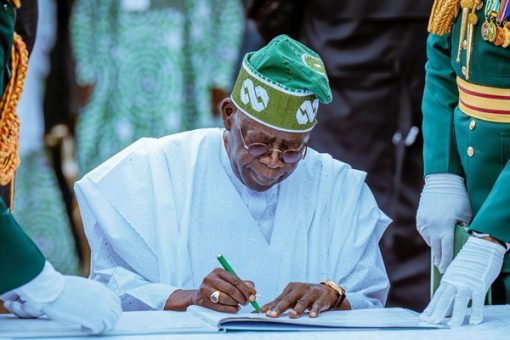
President Bola Tinubu had earlier removed the former Group Chief Executive Officer of the NNPC, Mele Kyari, and dissolved the company’s board as part of a broader restructuring aimed at boosting crude oil production and fixing long-standing inefficiencies in the sector.
According to breakdowns of the funds under investigation, $1.56bn was allocated to the Port Harcourt refinery, $740.7m to the Kaduna refinery and about $657m to the Warri refinery. EFCC sources said the investigation centres on how such massive investments failed to produce functional refineries.
Senior officials familiar with the probe disclosed that investigators uncovered suspected contract inflation, over-invoicing and questionable payments to contractors. In August, it was reported that the EFCC chairman, Ola Olukoyede, took over direct supervision of the case, with the agency recovering over N5bn and $10m from contractors and officials linked to the alleged fraud. Investigators were also said to be pursuing additional recoveries of N10bn and $13m.
Despite these developments and earlier reports that charges were being prepared against some of the affected officials, no arraignment had taken place as of December 20. Efforts to get an update from the EFCC spokesperson, Dele Oyewale, were unsuccessful.
Read Also;
EFCC Raids Malami’s Homes and Offices in Abuja, Kebbi
The prolonged silence has sparked concern among civil society groups, who fear the delay could undermine public confidence in the anti-corruption fight. Debo Adeniran, National Director of the Centre for Anti-Corruption and Open Leadership, described the lack of progress as worrying, warning that cases involving powerful figures often stall without sustained public pressure.
Similarly, the International Society for Social Justice and Human Rights criticised the slow pace of the probe, describing it as a “national disaster.” Its Chancellor, Jackson Omenazu, said the continued freedom of those allegedly involved in the scandal raised fears of compromised investigations and possible tampering with evidence.
Both groups urged the EFCC to provide clear updates and ensure that the case is concluded transparently, stressing that accountability is crucial for restoring trust and safeguarding the nation’s economic interests.