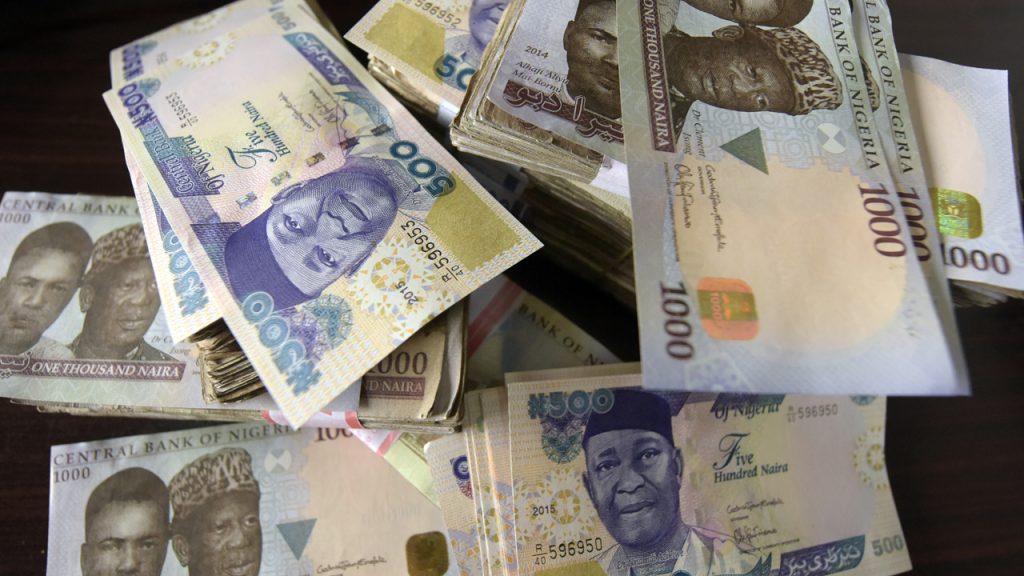
The Nigerian Naira traded within a tight range against the United States Dollar on Monday, December 22, 2025, as foreign exchange activity reflected the typical slowdown and liquidity patterns associated with the end of the year.
Figures from the Nigerian Foreign Exchange Market and informal trading channels show that the local currency remains under pressure, largely due to persistent inflation and sustained demand for dollars, despite recent policy interventions.
Official market performance
At the Nigerian Foreign Exchange Market, the official window for government and large corporate transactions, the Naira recorded a mild depreciation at the start of the week. Data from the FMDQ Securities Exchange indicate that the currency closed at about ₦1,466.50 to the dollar.
This followed a volatile trading session on Friday, during which the exchange rate moved between a high of ₦1,469.90 and a low of ₦1,460.00. Analysts say the current pricing reflects the combined impact of inflation, estimated at 14.45 per cent, and the Central Bank of Nigeria’s Monetary Policy Rate of 27.00 per cent, both of which continue to shape investor behaviour and seasonal dollar demand for imports.
Parallel market trend
In the parallel market, the Naira continued to trade weaker than at the official window. Checks from Bureau De Change operators in major cities such as Lagos and Abuja show the dollar exchanging between ₦1,475 and ₦1,485.
Although the gap between the official and parallel markets has narrowed compared to earlier in the year, the informal market remains the main source of foreign currency for individual travellers and small-scale importers who often face delays accessing the official window.
Read Also;
Dollar to Naira exchange rate today, December 18, 2025
Outlook
Recent data from the Central Bank point to an average exchange rate of around ₦1,464.50 for basic transactions, while commercial banks are charging slightly higher rates—sometimes close to ₦1,485—for international card payments.
Looking ahead, analysts expect the Naira to remain relatively stable through the rest of the year unless there is a major shift in oil output or an unexpected policy move by the Central Bank. Attention in the first quarter of 2026 is likely to centre on efforts to boost dollar liquidity and further stabilise the exchange rate.