
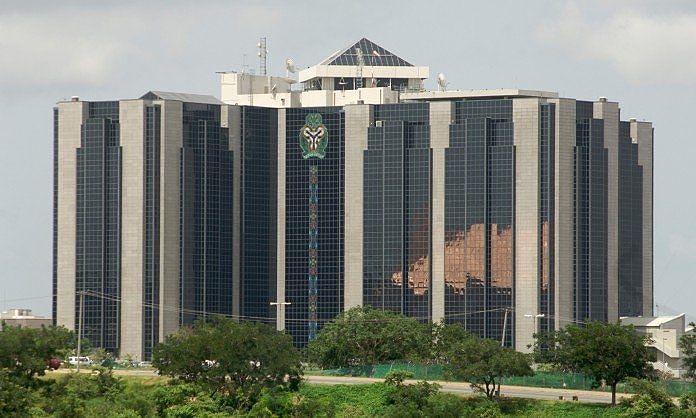
Nigeria’s banking sector recorded a noticeable increase in bad loans in 2025 following the Central Bank of Nigeria’s decision to withdraw the regulatory forbearance granted to lenders during the COVID-19 pandemic, according to the apex bank’s latest macroeconomic outlook report.
The report shows that the industry’s Non-Performing Loans (NPL) ratio rose to about seven per cent, exceeding the prudential benchmark of five per cent. The CBN explained that the increase largely reflects the end of the temporary relief measures that had allowed banks to restructure pandemic-affected loans without classifying them as non-performing.
According to the report, many of the loans that were previously restructured under the forbearance framework have now crystallised as bad loans, pushing the industry’s NPL ratio above the regulatory ceiling.
Despite this development, the CBN maintained that the banking system remained broadly stable throughout 2025. It noted that banks were supported by strong capital buffers and healthy liquidity positions. The industry’s average liquidity ratio stood at 65 per cent, far above the 30 per cent minimum, while the capital adequacy ratio averaged 11.6 per cent, also above the required 10 per cent threshold.
The apex bank said these indicators show that Nigerian banks still have the capacity to absorb shocks. It linked the sector’s resilience to robust interest income, continued digital transformation and the ongoing bank recapitalisation programme.
The recapitalisation drive, which significantly raises minimum capital requirements, is expected to strengthen banks’ balance sheets and improve their ability to support the real sector through larger lending activities. The CBN added that the exercise, alongside macro-prudential guidelines and tighter regulatory oversight, helped sustain market confidence during the year.
The report also noted that the capital market remained bullish in 2025, partly due to renewed investor interest in financial stocks. However, it warned that the rise in non-performing loans highlights emerging risks, especially as high interest rates and tough economic conditions affect borrowers’ ability to repay.
The CBN cautioned that a sharp increase in bad loans could weaken asset quality and pose systemic risks, stressing the need for close monitoring of credit risk and strict adherence to prudential standards. It recommended deeper integration of the Global Standing Instruction (GSI) framework across all financial institutions to improve loan recovery and strengthen credit discipline.
The bank added that better repayment performance would support MSME and retail lending, reduce operational losses and help banks build stronger capital buffers. It also noted that monetary conditions remained tight for most of 2025, as the CBN prioritised price and exchange rate stability, with only a mild easing of the Monetary Policy Rate in September after signs of improvement.
Looking ahead, the CBN said the outlook for the banking sector remains positive but urged lenders to strengthen risk management, diversify their loan portfolios and maintain strong capital positions to guard against future shocks. It added that the recapitalisation programme, alongside reforms in the foreign exchange market and tax administration, forms part of broader efforts to stabilise the economy and boost investor confidence in 2026.
In a June 2025 circular signed by the Director of Banking Supervision, Olubukola Akinwunmi, the CBN directed banks still benefiting from regulatory forbearance to suspend dividend payments, defer executive bonuses and halt investments in foreign subsidiaries or offshore ventures. The measure, the CBN said, was aimed at strengthening capital buffers during the transition out of forbearance.
Read Also;
Dollar to Naira exchange rate today, January 2, 2026
The directive will remain in place until banks fully exit the forbearance regime and their capital adequacy and provisioning levels are independently verified as compliant with regulatory standards.
Supporting the CBN’s move, Renaissance Capital estimated that several banks still have notable forbearance exposures. According to the firm, Zenith Bank, First Bank and Access Bank have forbearance exposures of 23 per cent, 14 per cent and four per cent of their gross loan books, respectively. Fidelity Bank and FCMB were estimated at 10 per cent and eight per cent, while Stanbic IBTC and GTCO were said to have zero exposure, with GTCO having already provisioned and written off its forbearance loans.
Renaissance Capital also warned that the level of exposure could put some lenders, including FirstHoldCo, Fidelity Bank and Zenith Bank, at risk of breaching their Single Obligor Limits, underscoring the importance of strict oversight as the sector adjusts to post-forbearance conditions.