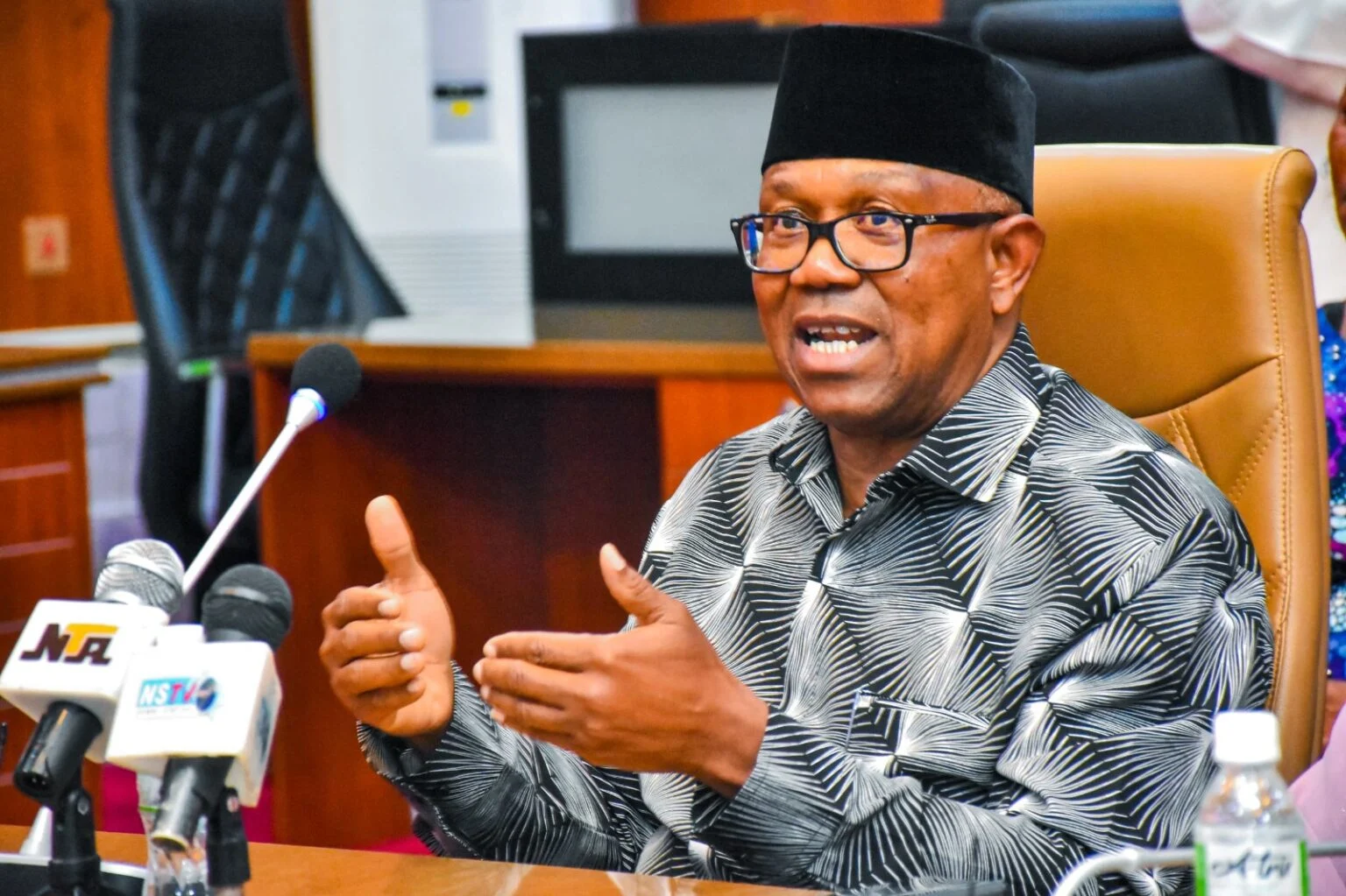
Former Labour Party presidential candidate, Peter Obi, has criticised Nigeria’s current tax approach, warning that no nation can achieve real prosperity by placing heavier financial burdens on its poorest citizens.
In a statement shared on his X account on Friday, Obi said lasting economic and social development is driven by honest leadership, national consensus, and policies that prioritise the wellbeing of the people—not by taxing poverty.
According to him, taxation should operate as a true social contract built on fairness, sincerity and transparency. He stressed that citizens deserve clear explanations of tax policies, their impact on incomes, and how the revenue will contribute to national development.
“When this transparency is missing, taxation becomes a source of confusion and hardship rather than a tool for growth,” Obi said.
He urged the government to rethink its tax strategy if it is genuinely committed to economic growth, national unity and shared prosperity. Obi argued that fiscal policies should aim to make citizens wealthier, not simply boost government revenue figures.
The former Anambra State governor also highlighted the importance of small and medium-sized enterprises to sustainable growth, noting that thriving small businesses create jobs, raise incomes and naturally expand the tax base.
“You cannot tax your way out of poverty; you must produce your way out of it,” he said.
Obi warned against celebrating rising government revenues while citizens become poorer, describing such an outcome as a failure of good governance. He maintained that any tax system that deepens poverty contradicts the principles of sound fiscal management.
He concluded by calling for a fair, lawful and people-centred tax system—one that supports production, rewards enterprise, protects the vulnerable and rebuilds trust between government and citizens.
Read Also;
Falana Raises Fresh Concerns Over New Tax Laws, Warns Against January Implementation
Obi’s remarks come amid ongoing public debate over Nigeria’s new tax reform laws, which took effect on January 1, 2026. Critics, including opposition lawmakers and civil society groups, have raised concerns about inconsistencies between the tax bills passed by the National Assembly and the versions later gazetted by the Federal Government.
In response, National Assembly leaders have ordered the release of certified true copies of the signed laws for public review. Despite the controversy, the President Bola Tinubu administration has insisted the reforms will proceed as scheduled, saying the laws are designed to drive structural reform, harmonisation and economic growth, and are not meant to place additional burdens on low-income Nigerians.