
The Nigerian naira is showing encouraging signs of stability across both the official and informal foreign exchange markets as the Central Bank of Nigeria sustains its reform-driven approach at the start of the 2026 fiscal year.
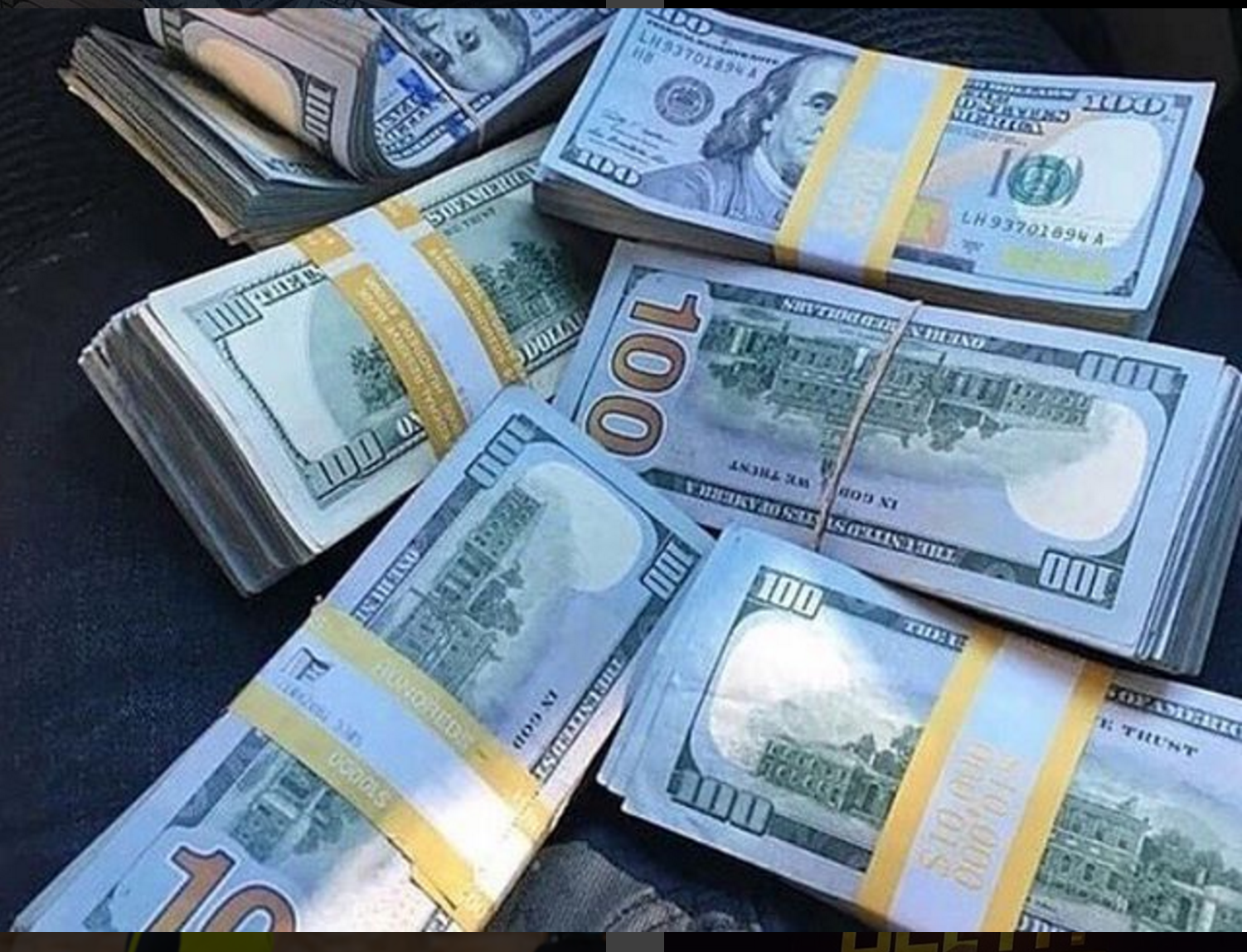
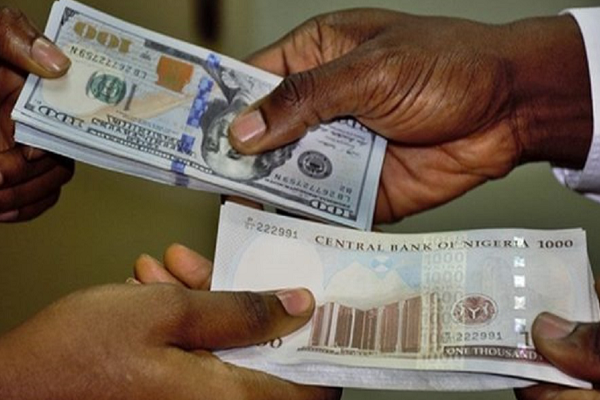
At the official window, trading at the Nigerian Foreign Exchange Market opened on a calm note. Data from the FMDQ Securities Exchange shows the naira exchanging at about ₦1,427.52 to the US dollar, reflecting only mild movements compared to the close of last year. This relatively tight trading range suggests that recent efforts by the apex bank to improve transparency and boost liquidity are beginning to take effect.
Analysts say confidence in the market has also been strengthened by projections from the CBN that Nigeria’s foreign exchange reserves could rise to $51.04 billion by the end of 2026. Higher crude oil earnings and increased inflows from diaspora remittances are expected to play a major role in supporting this outlook.
In the parallel market, the naira continues to trade at a premium but remains within a controlled range. Early trading in Lagos and Abuja shows the dollar selling for between ₦1,435 and ₦1,440. Importantly, the gap between the official and black market rates has narrowed significantly over the past year, a development widely seen as a positive outcome of current monetary reforms.
Read Also;
Dollar to Naira exchange rate today, January 6, 2026
This convergence is central to the government’s strategy to curb currency speculation, reduce hoarding, and encourage businesses to source foreign exchange through formal banking channels rather than informal markets.
Several factors are helping to underpin the naira’s current performance. The positive outlook for external reserves has boosted market confidence, while the expansion of local refining capacity — particularly from the Dangote Refinery — is easing pressure on foreign exchange demand by cutting down fuel import costs. In addition, investors appear encouraged by the CBN’s macroeconomic stability framework, which targets a reduction in inflation to around 12.94 percent by the end of the year.
As full trading activities for 2026 continue, market participants are keeping a close eye on further policy actions and interventions from the central bank to sustain the current stability and build momentum in the weeks ahead.