
By Evans Ufeli Esq
I went to Oshodi with my dad for the first time at age ten. In my head Oshodi was a place people whispered about like it was a myth; a creature with traffic in its teeth and markets for eyebrows. My father said nothing. He stares at the human energy and sighs.
You step out and the road explodes into business. I mean proper explosion: vegetables doing the high jump across the tarmac, fish laid out like silver medals, shoes scattered like confetti, and provisions stacked like somebody was building a city out of cassava and onions.
There was no space spare; even the air had vendors, selling small portions of everything: a tune, a smile, a bargain. For a ten-year-old, it was sensory overload in 3D and surround sound.
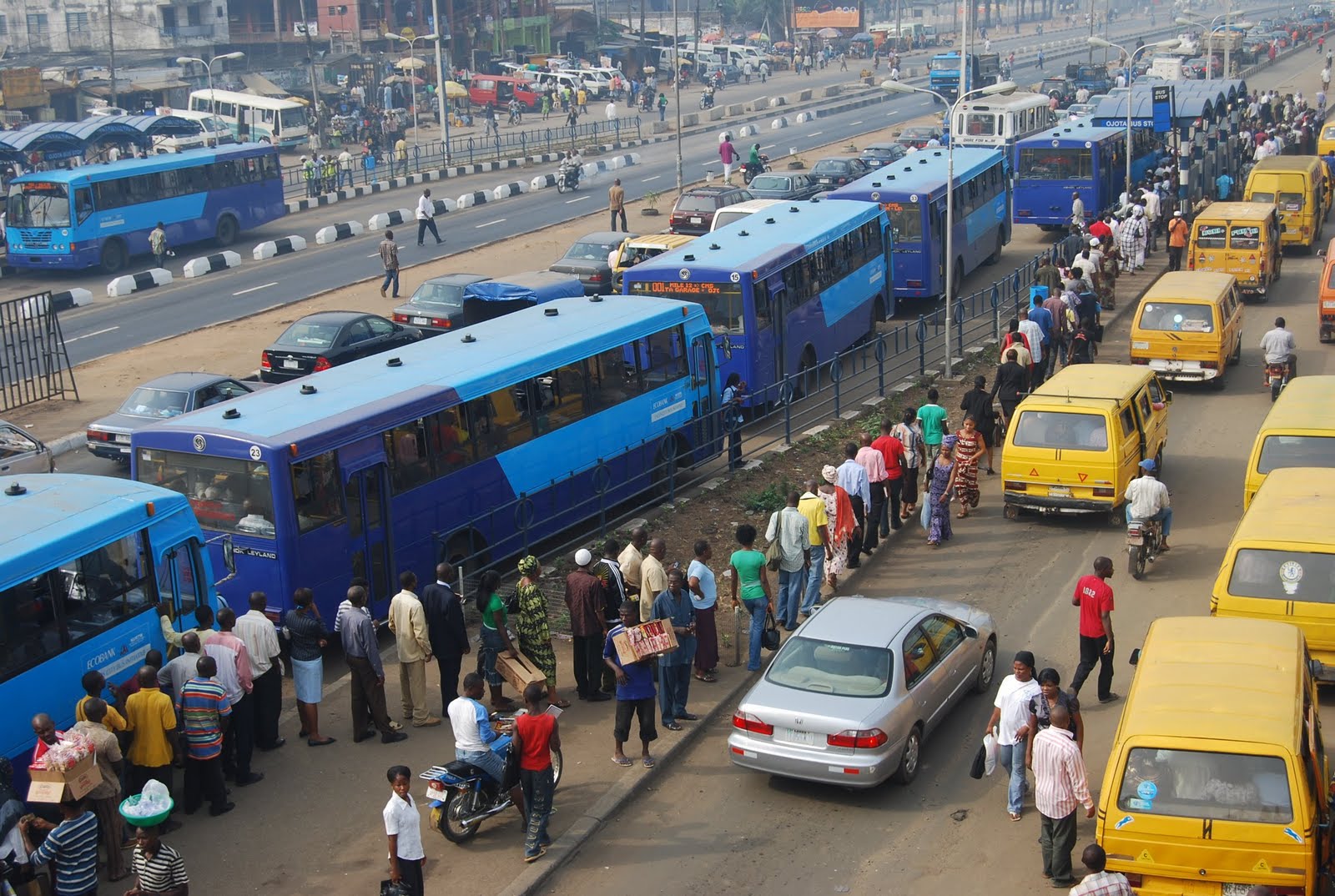
Oshodi keeps its own rhythm. The molue; those painted buses with the confidence of a man who knows the law of physics is negotiable; weave through like elephants in a knitting class.
Drivers perform ballet moves I had not seen in any school: threading through the edges of wares, smiling at the market girls, and applying brakes only when gods disagree.
Horns are not horns in Oshodi; horns are percussion instruments. They shout, they sing, they plead in short, urgent bursts that say:
“Make una, commot for road, I carry fuel, I get passenger.”
The people at the time; and maybe always looked like they were born fully-formed with a sense of theatre. They eschewed order the way other folks eschew traffic fines.
Traders sold their wares recklessly and with impeccable showmanship. A man selling tomatoes might open with a proclamation, “Tomatoes! Fresh like gossip!” and by the time you had decided whether to frown or laugh he had made you the star of a bargaining drama involving three prices, two insults and a proverb about patience.
Music is part of the registration in Oshodi. Loud Yoruba music pours from a transistor radio taped to a tricycle, from a cassette player balanced on a crate of yams, from the throat of a woman singing as she weighs fish.
The songs are ancient and new at the same time; rhythms that could make passersby involuntarily moonwalk or suddenly remember the name of an aunt they hadn’t seen in fifty years. The music has a laugh tucked in its sleeves, and everyone seems to know the chorus as if it were the town hymn.
People in Oshodi laugh with their cheeks, as if their smiles had pockets where slyness could fit. They grin like that because life taught them a lot of jokes and very few guarantees.
They are not rich; wealth is measured in the ability to find customers when the rain threatens and in the skill of balancing a crate of plantain on a head while threading through the human obstacle course.
They survive with a kind of economy that refuses to be reduced to numbers. In that chaos they have built small empires of story and promise. To a child, the market looks like the world starts and ends in those tarpaulins and plastic bowls. Maybe for many, it does.
The bargaining ritual is an art form. It begins with eye-contact; a long, suspicious glance that says, “We are both actors now.” The seller names a price like it’s a prophecy. You counter like a skeptical oracle. There is the fake indignation, then the walk-away, then the dramatic turn and the final compromise where both parties keep their dignity and lose about half a pound of self-respect.
Sometimes it feels like a blessing disguised as commerce. I learned early that the right thing to say is not “How much?” but “How much if I buy ten?” The answer always reveals whether you are a tourist or an uncle.
Scenes replay in my head like a slapstick film. A woman balancing a pyramid of sachet water on her head who also, with a single hand, opens a sachet and hands it to a child while counting change with her toes. A man selling shoes who, cosy irony, is wearing flip-flops three sizes too big; he offers you a deal while polishing another shoe with the same rag he used to wipe his brow. A boy who earns applause every time he darts into a molue, sells newspapers, and comes back with exactly one naira to prove he was successful.
And there are characters. The agbero; the bus touts who direct traffic like generals who’ve only recently learned the alphabet of peace. They wave, they shout, they negotiate space on behalf of moving metal beasts and human sardines. The trader who speaks in proverbs and can haggle you down from “obviously inflated price” to “gift price” while invoking a deity you didn’t know had jurisdiction over tomatoes. The grandmother who sells onions tells you the future for the price of a single clove. You learn quickly: in Oshodi, every product comes with a performance.
The smells are honest. Fried fish smells sit down beside exhaust and the two tolerate each other like relatives who only meet for weddings. There’s the tang of pepper that assaults you with good intentions and the earth-sweet smell of yams that says, “Forget your diet; we have destiny.” A man grills plantain over a small charcoal pot and the aroma acts like a neighbourhood call: you smell it and suddenly you have no idea who you were five minutes ago because all of you is now a stomach that remembers the taste.
As a child, I was bewildered by the apparent lack of order. Where I came from, at the airforce base, roads had lanes and markets had boundaries. But Oshodi runs on its own logic. If you watched long enough, you saw an invisible choreography. Traders knew their territories down to the centimeter.
Drivers respected the informal rules that outsiders call chaos. People who in another life might have been strict about queues found a kind of justice in the loudness of their claims. It was messy, but it made sense to the people living it. They had enough life in their eyes to drown any complaint about tidy urban plans.
Humour thrives there naturally. I remember a vendor who advertised his fish like it was the cast of a soap opera: “This fish, I’m telling you, it has plot twists. You cook it, it will reunite your marriage.” Another woman sold second-hand clothes and performed a runway show for a pair of trousers with the conviction of a fashion correspondent. Even the thieves were dramatic: they would try to steal like they were auditioning for a stage play, loud enough to startle the audience but subtle enough to keep being performers.
Read Also;
THE GAVEL AND THE GOVERNOR
When we left that day my pockets were empty but my head was full. My father carried a bag of foodstuffs and two oranges and a look that said, “We survived.” He had a way of moving with the market that suggested he’d negotiated a peace treaty with it. I had the memory of a place where the world was alive, noisy and utterly unconcerned with organization charts. People were busy making a life and a living at the same time and they did it with laughter glued to the corner of their mouths.
Years later, when I tell people about Oshodi, they imagine chaos and danger. I tell them something different: Oshodi is a very efficient chaos. It’s a theatre where everything is for sale and nothing is wasted. It’s loud, it’s honest, and it will teach you the art of bargaining, the physics of milling through moving buses, and the simple math that a good laugh is worth at least two naira.
If you want order, go to a bank. If you want life, go to Oshodi and bring comfortable shoes, a ready laugh, and a strong stomach for pepper. You’ll come back tired, you’ll come back with new shoes that don’t match, and you will definitely come back with stories.
I shall go to Rabbi again.