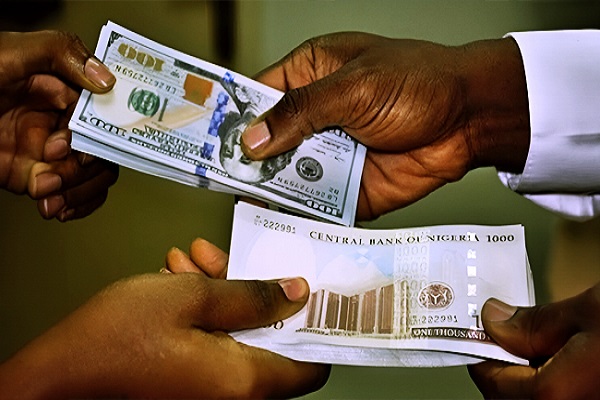
The United States has announced plans to commit about ₦587 billion ($413 million) to counter-insurgency and security operations in Nigeria and other African countries in 2026, as insecurity continues to worsen across West Africa and the Sahel.
The funding is contained in the US National Defence Authorisation Act (NDAA) for the 2026 fiscal year, where the allocation falls under Operation and Maintenance spending for the US Africa Command (AFRICOM). The law, signed by President Donald Trump on December 18, 2025, authorises overall US military spending of $901 billion.
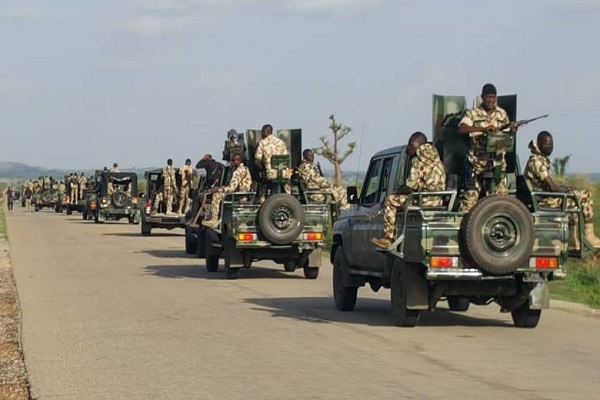
The security budget comes amid persistent security challenges in the region, including insurgency in Nigeria’s North-East, banditry in the North-West, piracy in the Gulf of Guinea, and jihadist violence in countries like Mali and northern Benin. It also follows recent US-backed military actions, including airstrikes on terrorist hideouts in Sokoto State and the delivery of military equipment to Nigerian security agencies.
Although the $413 million allocation for AFRICOM was fully approved, the Act does not provide a detailed breakdown of how the funds will be spent. However, it underscores Washington’s growing focus on Africa as insecurity spreads and geopolitical competition intensifies.
Beyond funding, the NDAA 2026 also provides for the creation of a Bureau of African Affairs within the US Department of State, to be headed by a newly established Assistant Secretary for African Affairs. The office will oversee US foreign policy and assistance to sub-Saharan Africa, coordinating diplomatic and strategic engagements across the region.
The Act further mandates an assessment of Russia’s military activities and strategy in Africa, including its overseas bases, logistics networks, and ability to project power on the continent. This review is expected to shape US contingency planning under AFRICOM and other regional commands.
Security analysts say the increased funding reflects rising geopolitical rivalry in Africa, driven largely by economic interests rather than purely military concerns. Kabir Adamu, a security analyst and CEO of Beacon Consulting, noted that Africa—particularly West Africa and the Sahel—has become strategically important due to weak state control, insecurity, and the presence of critical resources such as rare earth minerals.
According to Adamu, Russia and China have expanded their influence across Africa through military cooperation and economic engagement, forcing the United States to reassess its position. He added that Nigeria stands out as a key strategic partner due to its size, resources, and proximity to the Sahel, even as global powers compete for long-term influence.
Another analyst, Chidi Omeje, described Nigeria’s engagement with the US as a partnership based on mutual respect rather than dominance. He stressed that many of Nigeria’s security threats are linked to global terrorist networks, making international cooperation essential. Omeje also expressed caution about Russia’s growing security role in Africa, citing Moscow’s limited capacity amid its ongoing war in Ukraine.
Read Also;
Delta Police Foil Kidnap Plot, Recover Rifles in Night Operation
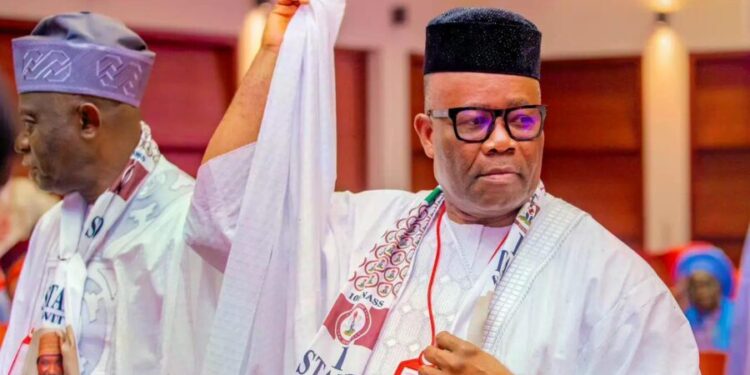
Meanwhile, Nigeria’s Chief of Army Staff, Lt. Gen. Waidi Shaibu, has called for deeper strategic cooperation between the Nigerian Army and the US Army. During a visit by the US Defense Attaché to Nigeria, Lt. Col. Semira Moore, Shaibu said stronger collaboration would help Nigeria tackle its complex security challenges, particularly through capacity building, intelligence sharing, and joint operational planning.
The US, for its part, reaffirmed its commitment to supporting Nigeria not only in combat operations but also in non-kinetic areas such as humanitarian assistance and troop welfare, which officials say are critical for sustaining morale and long-term stability.
As global powers jostle for influence, analysts agree that Africa—and Nigeria in particular—will remain a major focal point of economic, diplomatic, and security competition in the coming years.