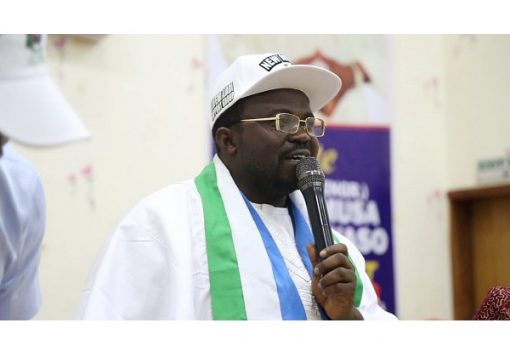

By Evans Ufeli Esq
The Electoral Act 2022’s clear temporal boundaries for public campaigning; commencing no earlier than 150 days before polling day and concluding 24 hours prior, are not bureaucratic trifles to be circumvented. They are safeguards of democratic fairness, designed to level the playing field, reduce electoral heat, and preserve a measured public discourse. Politicians and parties who rush into public campaigning indiscriminately not only risk legal sanction but erode the integrity of the contest and the public’s trust.
Section 94(1) of the Electoral Act 2022 stipulates that the period of public campaigning begins 150 days before polling day and ends 24 hours earlier. Section 94(2) adds a firm prohibition during the final 24 hours: any registered party that advertises on broadcasting facilities or procures or acquiesces in newspaper advertisements to promote or oppose a candidate during that period faces criminal liability, with a maximum fine of N500,000 on conviction. These provisions are precise; they attach responsibility not merely to official platforms but to the acts of persons acting on a party’s behalf, and to a party’s failure to prevent or object to prohibited publications.
Section 94 (1) is hereby reproduced, “For the purpose of this Act, the period of campaigning in public by every political party shall commence 150 days before polling day and end 24 hours prior to that day.
Subsection (2) A registered political party which through any person acting on its behalf during the 24 hours before polling day-
(a) advertises on the facilities of any broadcasting undertaking ; or
(b) procures for publication or acquiesces in the publication of an advertisement in a newspaper, for the purpose of promoting or opposing a particular candidate, commits an offence under this Act and is liable on conviction to a maximum fine of N500,000.
The practical implications here are twofold. First, restraint before the lawful campaign window is essential. Public rallies, branded events, billboards, and overt solicitations made earlier than the 150-day mark expose parties to enforcement and public censure. Second, the silence demanded in the final 24 hours must be absolute as to specified media: broadcasting outlets and newspapers. Parties must be vigilant about content across all channels, mindful that modern campaigning can appear in subtler formats; sponsored segments, paid features, or coordinated publications; that the law contemplates.
Responsible political actors will therefore adopt a posture of compliance and prudence. Practical steps include: mapping the electoral calendar and communicating deadlines to all agents; centralizing approval for public communications; instituting an internal compliance officer empowered to halt questionable activity; training campaign staff, volunteers, and affiliated organizations on what constitutes prohibited campaigning; and auditing third-party suppliers to ensure no acquiescence in untimely publications. Parties should also maintain meticulous records of decisions and approvals to demonstrate good-faith compliance if challenged.
Read Also;
ALLEGEDLY: NOT A SHIELD
Beyond legal risk, premature or last-minute campaigning carries reputational costs. Voters watch to see whether parties respect rules that shape collective life; transgressions suggest contempt for democratic norms. Equally, fomenting a constant campaign culture erodes the deliberative space citizens need to reflect, critique, and choose.
It is entirely possible and prudent for parties to use the off-campaign periods constructively: behind-the-scenes policy development, voter education on processes, candidate training, and compliance rehearsals. Such preparation preserves the sanctity of the campaign window while strengthening the party’s institutional capacity.
In summary, Section 94 is a call for discipline as much as a legal constraint. Politicians who wait for the proper moment to appear in public, and who honor the quiet of the final day, will not only avoid fines but contribute to an electoral atmosphere of fairness and respect. Patience in politics is not passivity; it is stewardship of the democratic process.