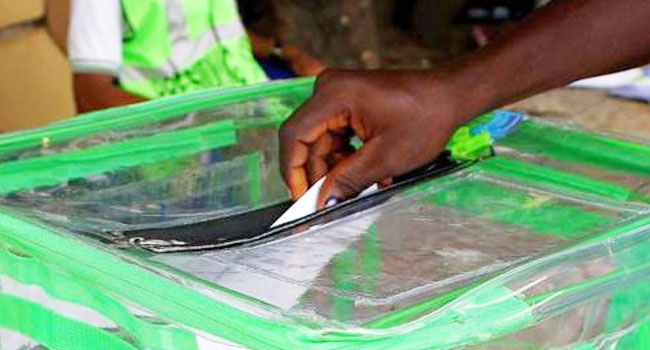
The Senate has approved the electronic transmission of election results to INEC’s Result Viewing Portal (IReV), following widespread public backlash over an earlier controversial clause in the Electoral Act Amendment Bill, 2026.
The decision came after an emergency plenary session triggered by days of protests, criticism from opposition parties, civil society groups, and growing pressure from Nigerians who feared the amendment could weaken the credibility of the 2027 elections.
Under the revised provision, presiding officers at polling units are expected to electronically transmit results to the IReV portal after completing and signing the official result sheet, Form EC8A. However, the Senate also included a backup option: if electronic transmission fails due to poor network or communication issues, the signed Form EC8A will serve as the primary document for collation and declaration of results.
Senate President Godswill Akpabio, while putting the motion to a voice vote, urged any senator who opposed the amendment to formally challenge it on the floor. He explained that the move was meant to reverse the earlier Senate position that had sparked national outrage.
Despite the adjustment, the Senate declined to make electronic transmission compulsory and refused to include a clause mandating real-time upload of results—one of the key demands of protesters.
The debate grew heated during the session, with lawmakers exchanging words after the Senate Chief Whip, Tahir Monguno, moved a motion to rescind the earlier decision. Tension peaked when Senator Enyinnaya Abaribe strongly objected to changes that removed the phrase “real-time” from the clause.
To address differences between the Senate and House of Representatives versions of the bill, the Senate also set up a 12-member conference committee chaired by Senator Simon Lalong. The committee is expected to harmonise both versions and produce a final draft for transmission to President Bola Tinubu for assent.
Read Also;
Senate Names 12-Member Committee to Resolve Electoral Amendment Bill Dispute
While some senators, including Orji Uzor Kalu, described the amendment as a balanced approach that protects voters in areas with network challenges, critics insist the manual option could create loopholes for manipulation.
Prominent political figures such as Atiku Abubakar, Rotimi Amaechi, and Nasir El-Rufai have continued to call for mandatory real-time electronic transmission, warning that anything less may reduce transparency.
Civil society groups and opposition parties also expressed concern, arguing that allowing manual collation to override electronic transmission could weaken electoral safeguards and create opportunities for rigging, especially in regions where network failure may be claimed.
As public attention shifts to the conference committee and the President’s decision, many Nigerians believe the final outcome of the bill will play a major role in shaping trust in the country’s electoral process ahead of 2027.