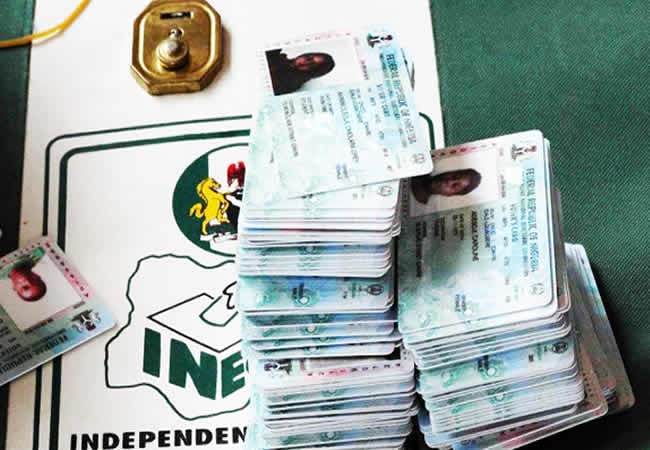
Political parties and civil society groups have raised serious concerns over the proposed voter revalidation exercise by Independent National Electoral Commission, warning that it could disenfranchise millions of Nigerians and weaken public trust in the electoral process.
The African Democratic Congress, Peoples Democratic Party, and the Obidient Movement all questioned the feasibility of the exercise, especially given the country’s logistical and technological challenges. They argued that rural communities, in particular, could be left out due to limited access to information, internet services, and identification requirements like the National Identification Number.
INEC had earlier announced plans to carry out the revalidation between April 13 and May 29, 2026, as part of efforts to clean up the voter register by removing ineligible entries such as deceased persons, underage voters, and multiple registrations. The commission clarified that the exercise would apply to those registered between 2011 and 2024 and was not a fresh registration.
However, the timing—less than a year before the 2027 general elections—has drawn criticism from multiple stakeholders. Many believe the process is rushed and could create confusion rather than improve electoral integrity.
ADC spokesperson Bolaji Abdullahi expressed concern about how Nigerians, especially those in rural areas, would cope with the demands of the exercise. He noted that even basic voter registration has proven difficult in many communities, making revalidation even more challenging.
Similarly, PDP spokesperson Ini Ememobong described the exercise as poorly timed and unnecessary, urging INEC to focus instead on improving electoral logistics. He warned that introducing such a process at this stage could be seen as politically motivated and might undermine confidence in the system.
Yunusa Tanko, National Coordinator of the Obidient Movement, also questioned the purpose of the exercise, pointing to existing voter apathy and distrust in the electoral system. He warned that revalidation could further reduce voter turnout, as many Nigerians may simply opt out of the process altogether.
Civil society organisations echoed these concerns. Civil Society Legislative Advocacy Centre criticised the move, saying it could further discourage voters and erode confidence in INEC’s ability to conduct free and fair elections. The group highlighted the short timeframe and lack of adequate preparation as major issues.
On the other hand, some experts acknowledged that INEC has the legal authority to carry out such an exercise. Former INEC official Oluwole Uzzi noted that while the commission is within its rights, the timing remains a major concern. He suggested that such a process should have been introduced much earlier and with broader consultation.
Read Also;
ADC Crisis Deepens as INEC Faces Backlash Over Leadership Derecognition
Amid the growing criticism, INEC has directed its Resident Electoral Commissioners to suspend preparations for the exercise, including publicity and logistical arrangements, pending further directives. The commission also announced that its upcoming meeting with commissioners would now be held virtually.
While the goal of improving the voter register is widely supported, many stakeholders insist that the process must be carefully planned and inclusive. Without that, they warn, the exercise risks doing more harm than good—potentially excluding voters and deepening distrust in Nigeria’s electoral system.