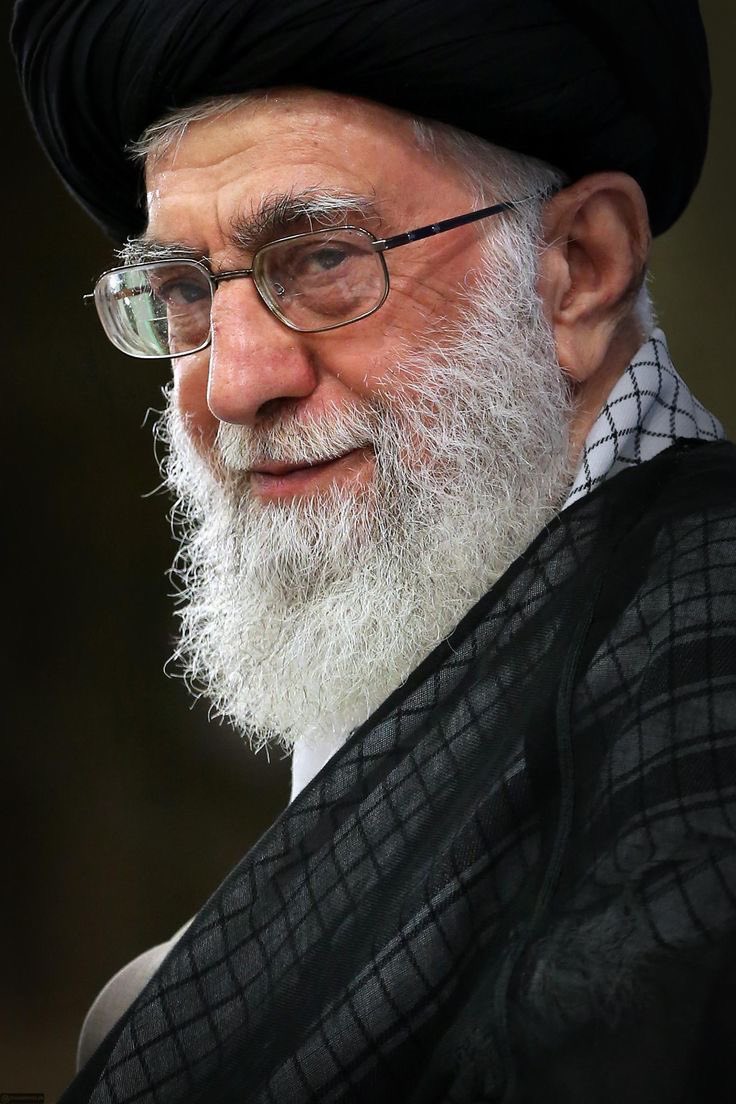
Iran’s chief negotiator, Mohammad Ghalibaf, has declared that Tehran will not accept any agreement with the United States unless it fully safeguards the rights and interests of the Iranian people.
Speaking on Sunday in a video broadcast on Iranian state television, Ghalibaf stressed that the country would carefully assess any proposed framework before giving its approval.
“We will not approve any agreement until we are certain that the rights of the Iranian people have been upheld,” he said.
The negotiator also expressed deep mistrust toward Washington, insisting that Iran remains cautious in its dealings with the United States.
“Iranian negotiators neither trust the enemy’s words nor its promises,” he added.
Read Also:
ADUSTECH Cancels Niger Field Trip Over Security Fears, Moves Students to Tiga Dam
His comments come as Tehran and Washington continue discussions over a possible framework aimed at ending the conflict that erupted on February 28 and has since drawn several countries in the Middle East into a wider crisis.
Reports by The New York Times and Axios on Saturday indicated that U.S. President Donald Trump had sent a revised proposal to Iran containing what were described as tougher conditions. Details of the new framework have not yet been made public.
Iran has consistently maintained that any agreement must include the lifting of economic sanctions and the release of Iranian assets frozen in foreign banks, which Tehran considers fundamental rights that must be guaranteed under any deal.
Since the outbreak of the war, Iran has also maintained strict control over the strategic Strait of Hormuz, one of the world’s most important oil shipping routes. Iranian authorities argue that overseeing activities in the waterway falls within the country’s sovereign rights.
As negotiations continue, uncertainty remains over whether both sides can bridge their differences and reach a settlement capable of ending the ongoing conflict.