
By Evans Ufeli Esq
The question of whether a Christian and especially a man of God or pastor may rightly bear tattoos on his body sits at the intersection of Scripture, conscience, culture, and pastoral responsibility. It is a question that requires both theological clarity and pastoral sensitivity: not a blunt legal verdict, but a careful weighing of principle, motive, and witness.
In the Old Testament, Leviticus 19:28 forbids marking the body in certain contexts. That prohibition, given within a covenantal code and tied to pagan mourning and ritual practices, calls attention to the heart: God sought to teach Israel holiness in contrast to surrounding cults.
In the New Testament the focus shifts decisively to the life formed by grace. Christians are reminded that the body is God’s temple (1 Corinthians 6:19–20) and are called to live by the Spirit rather than by external marks. The apostolic letters also emphasize conscience and liberty: where disputable matters exist, believers should act with love and not become a stumbling block (Romans 14; 1 Corinthians 8–10).
For those in pastoral office, the New Testament sets high ethical and reputational standards (e.g., 1 Timothy 3; Titus 1). The charge to be “above reproach” and to adorn the gospel by life and conduct requires discernment about anything that might undermine credibility or hinder the proclamation of Christ.
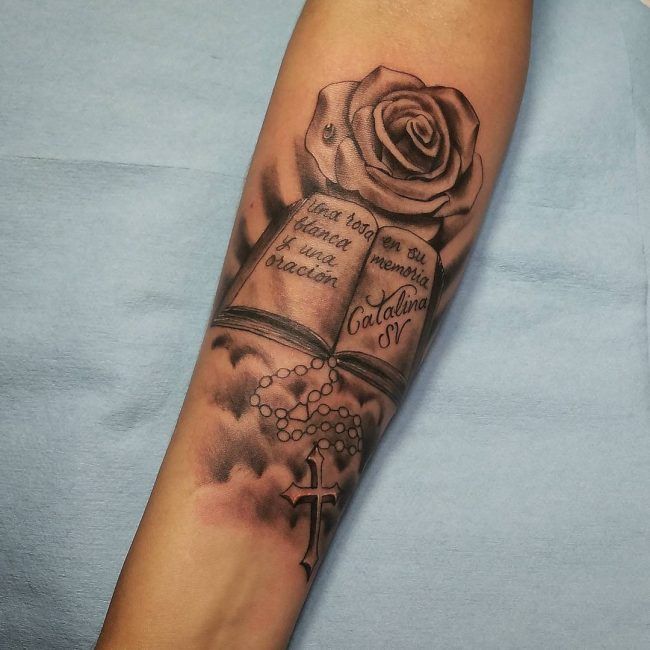
A tattoo is not merely ink on skin; it carries intention and meaning. Is it an emblem of rebellion, a mark of devotion, a memorial, a piece of art, or a careless impulse? The Christian examination should begin here. If a tattoo expresses sinful values, glorifies vice, or is rooted in hurtful rebellion, it ought to be renounced. If it marks a testimony of grace, reminds the bearer of God’s mercy, or honors a loved one without dishonor to the faith, its meaning may be wholesome.
Culture shapes perception. In some societies tattoos are neutral or even admired; in others they evoke mistrust or scandal. A pastor’s calling is not only to live rightly before God but to steward the flock and to give no unnecessary offense to those who might be led astray by appearance (1 Corinthians 8:9–13). If a tattoo would distract from the gospel in a particular congregation, or cause consistent stumbling, pastoral prudence suggests restraint or discretion (placement, coverability, or postponement).
A pastor’s body is also a public sign. The elders’ qualifications call for a life that commends the faith and fosters confidence in the gospel message. That does not mean pastors must be pictures of cultural conformity; it does mean they should weigh how personal choices affect a congregation’s receptivity to the Word. A pastor with tattoos that are tasteful, non-offensive, and explained as part of a redemptive story may well be a powerful witness in certain contexts. Conversely, tattoos that are provocative, obscene, or tied to past sins without repentance can rightly give cause for concern and pastoral correction.
What is my motive?
Do I seek to honor God, to mark a testimony, or to satisfy impulse?
What does the tattoo depict? Is it compatible with Christian virtues and declarations?
How would this affect my ministry’s witness and the spiritual wellbeing of my congregation?
Can it be covered when necessary? Will it distract in worship, pastoral care, or public ministry?
Have I sought counsel from mature leaders and prayed for wisdom and humility?
Read Also;
THE HOLLOW RITE: UKWUANI MISBEGOTTEN BUDGET
Ink upon the skin is not an automatic barometer of spiritual worth. The gospel remembers that no single external thing whether clothing, hair, or markings determines our standing before God. Yet the gospel also calls pastors to live with a fidelity that safeguards the flock and adorns the truth they preach. Therefore, a tattoo in itself is neither intrinsically righteous nor inherently sinful; it becomes good or harmful according to motive, message, and ministry effect.
To a pastor I would say: live under grace, but shepherd with prudence. Seek counsel, examine your heart, consider your context, and choose what best honors Christ and serves the people entrusted to you. If you already bear tattoos, remember that repentance, humility, and a life marked by love and holiness speak far louder than ink. The church’s first call is to the beauty of the gospel and everything else should minister to that end.
I shall go to Rabbi again.