
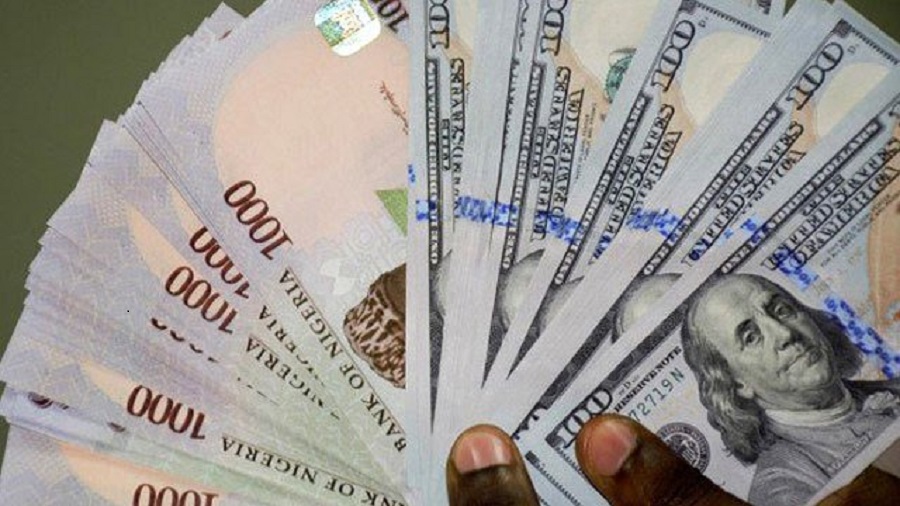
The Nigerian naira opened the new month—and the second quarter of 2026—on a relatively stable note against the US dollar, showing signs of resilience despite ongoing economic pressures.
At the official Nigerian Foreign Exchange Market, the currency recorded slight movements in early trading on Wednesday, April 1, opening at ₦1,385.27 per dollar. This stability is largely linked to the Central Bank of Nigeria’s continued efforts to manage liquidity and control inflation.
A key factor supporting this calm is the use of the Electronic Foreign Exchange Matching System, which has helped reduce the sharp fluctuations that previously characterised the market. Traders say foreign exchange supply from autonomous sources has remained steady, especially as businesses begin implementing their new quarterly budgets.
In the parallel market, the naira also held firm. Across major cities like Lagos, Abuja, and Kano, the dollar traded between ₦1,405 and ₦1,418. The gap between official and black market rates remains relatively small—about ₦21 to ₦34—suggesting improved alignment between both segments of the market.
This closer convergence is seen as a result of recent monetary policies, particularly the integration of licensed Bureau De Change operators into the broader forex supply system, which has helped curb speculative trading.
Several factors are shaping the current exchange rate trend. Although the start of a new quarter typically brings increased demand for foreign exchange as companies settle international obligations, strong liquidity in the system—reportedly above ₦8 trillion at the end of March—has helped prevent sudden spikes.
Read Also;
Dollar to Naira exchange rate today, March 31, 2026
Nigeria’s external reserves, estimated at around $49.40 billion, also provide a buffer for the Central Bank to stabilise the market when necessary. In addition, steady oil production and favourable global crude prices continue to support foreign exchange inflows.
Looking ahead, analysts expect the naira to trade within the ₦1,380 to ₦1,420 range in the first week of April. Attention will remain on the Central Bank’s next policy decisions, particularly around interest rates, as it maintains a tight stance to manage inflation. Investors are also watching developments in the banking sector recapitalisation, which could further strengthen the financial system’s capacity to handle large foreign exchange transactions.