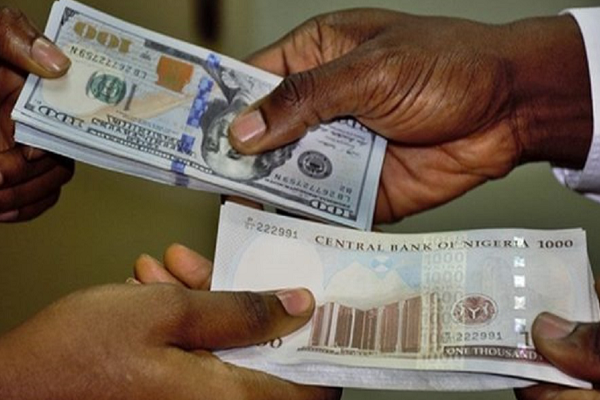
The Nigerian naira traded on a steady but cautious note against the US dollar in early dealings on Friday, February 20, 2026, as the market responded to ongoing efforts by the Central Bank of Nigeria (CBN) to unify exchange rates across segments.
Official Market Movement
At the Nigerian Foreign Exchange Market (NFEM), the naira opened at 1,344.74 per dollar. During the morning session, the rate edged slightly higher to 1,345.58 before hovering around 1,345.40 by mid-day. This marks a relatively stable performance compared to Thursday’s closing rate of 1,346.00.
Market observers say the relative calm reflects improved dollar liquidity and sustained policy measures by the CBN. A key intervention has been the decision to allow Bureau De Change (BDC) operators access to up to $150,000 weekly through authorized dealer banks. Analysts believe this has eased retail demand pressure and reduced speculative activity in the official window.
Parallel Market Activity
In the parallel market, the dollar continued to trade at a premium, exchanging between 1,360 and 1,365 per dollar depending on transaction size and location. Although higher than the official rate, the gap between the two markets remains narrower than in previous years.
The spread currently stands at about 15 to 20 naira — a margin monetary authorities are watching closely as part of broader efforts to ensure transparency and improve price discovery in the foreign exchange market.
Read Also;
Naira rises to N1,380/$ in parallel market
What’s Supporting the Naira
Several factors are helping to cushion the local currency this week:
Crude Oil Output: Nigeria’s crude production has reportedly risen to about 1.46 million barrels per day, strengthening foreign exchange inflows and boosting external reserves. This provides the CBN with more room to stabilize the market when needed.
Monetary Controls: Stable Open Repo Rates and the use of the Standing Deposit Facility have helped manage liquidity in the banking system, limiting excess naira supply.
Foreign Investment: Renewed interest from institutional investors in Nigeria’s equities market has also contributed to steady capital inflows.
With these conditions in place, analysts expect the naira to trade within the 1,340 to 1,350 band in the official market for the rest of the day, barring any unexpected global or domestic economic shocks.