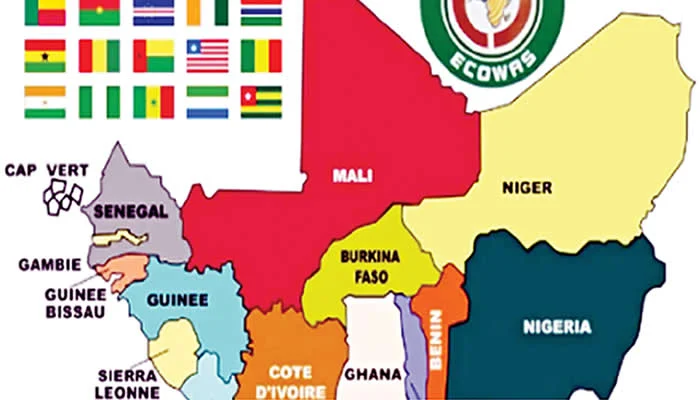
The Economic Community of West African States (ECOWAS) has announced that all air ticket taxes across member countries will be removed by January 1, 2026, a major step aimed at making air travel cheaper and boosting regional integration.
The announcement was made by Chris Appiah, ECOWAS Director of Transport and Telecommunications, during a media briefing in Abuja on Wednesday. He explained that the decision followed extensive research showing that West Africa has the most expensive air travel costs in Africa, largely because of excessive government taxes and aviation charges.
According to Appiah, many of these taxes violate international aviation guidelines and make flights unnecessarily expensive, discouraging travel, tourism, and regional trade.
He recalled that during the 2023 ECOWAS Heads of State Summit in Abuja, leaders ordered transport and finance ministers to address the rising cost of air travel. This led to the adoption of a supplementary act in December 2024, compelling all member states to:
Scrap all air transport taxes
Reduce aviation charges by 25%
Implement these reforms starting January 1, 2026
Appiah stressed that eliminating taxes like the widely criticised “security tax” will make air travel more affordable, stimulate demand, and boost economic sectors such as tourism, health, and education.
He gave an example of how expensive regional travel has become:
A trader flying from Lagos to Dakar may spend over $3,000 on tickets, much of which is due to taxes.
Read Also;
ECOWAS Declares Regional State of Emergency as Political Instability Deepens
To ensure the reforms translate to real price reductions, ECOWAS is engaging airlines so they also lower ticket prices once the tax cuts take effect.
Appiah noted that West African airlines currently struggle to compete because regional charges are up to 67% higher than those in other parts of Africa. Removing these costs will help local airlines grow and strengthen regional connectivity.
He concluded that the benefits of the policy will be far-reaching: increased travel, stronger regional ties, more trade, and even higher government revenue due to rising passenger numbers.
“This is revenue for government,” he said. “When taxes come down, demand goes up — and more people travel.”
If you want, I can rewrite this in a shorter version or in a more casual tone.