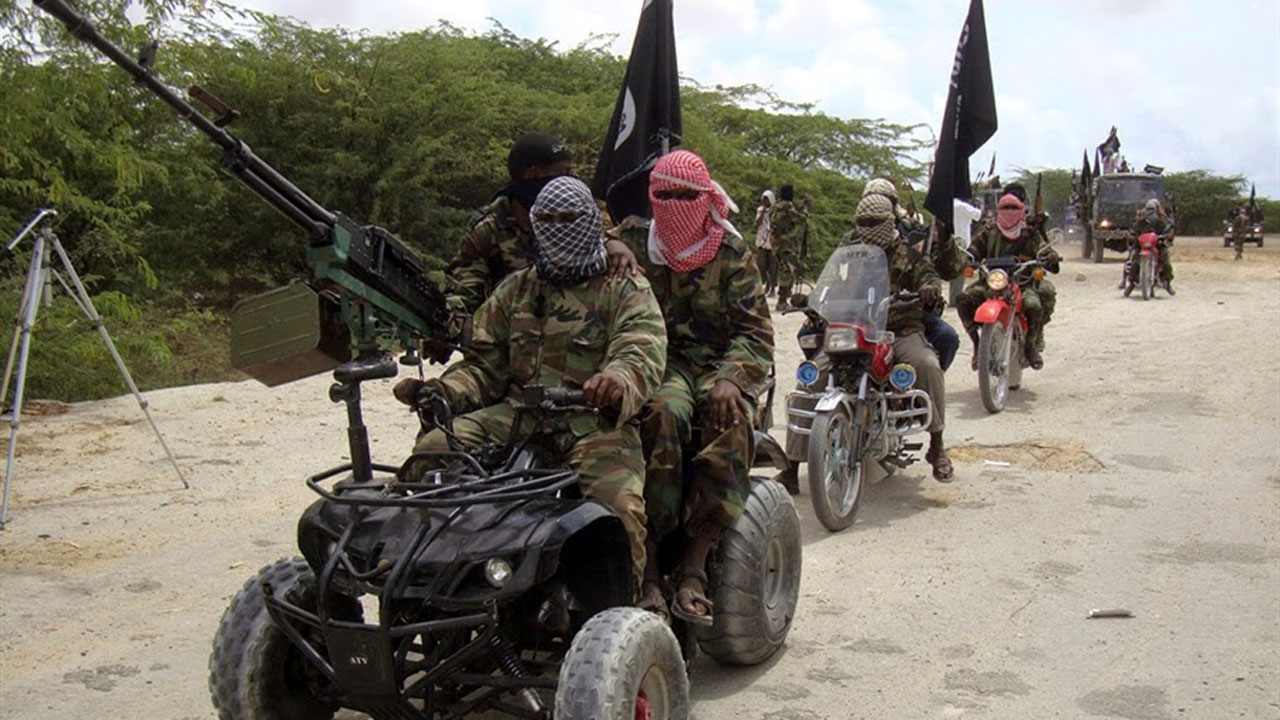
A renewed wave of coordinated attacks by insurgent groups in northern Nigeria has raised fresh concerns about the country slipping back into a dangerous phase of insurgency.
In the past three weeks, no fewer than 65 soldiers have reportedly been killed in a series of attacks on military bases and nearby communities across Borno and Katsina states. Security analysts say the assaults appear to be part of a calculated effort by militants to regain territory and strengthen their operational presence in the region.
The attacks were carried out by fighters linked to Boko Haram and the Islamic State West Africa Province (ISWAP), two extremist groups that have waged a long-running insurgency in the North-East.
Several communities in Borno State have come under repeated assaults, including Jakana, Kawuri and Dalori in Konduga Local Government Area, Mainok in Kaga LGA, and parts of Marte LGA.
Among the military officers killed in the attacks were Lt. Col. Umar Farouk, who died during an assault on the Chukka military base on March 9; Lt. Col. S. I. Iliyasu, killed in an attack on the 222 Battalion in Konduga on March 6; and Major U. I. Mairiga, who lost his life in an attack on a military base in Mayenti, Bama LGA, on March 1. Other casualties included Lt. Ismaeel Baba and Maj. Segun Amusan.
Reports from Amaq News Agency, a media outlet associated with the Islamic State, claimed that ISWAP fighters carried out several of the assaults on military installations in Konduga LGA.
According to the report, the militants killed a senior officer and two soldiers during one of the raids, burnt down a military base, and destroyed at least 11 vehicles. The group also claimed it seized dozens of motorcycles and set fire to a police station, killing four officers.
ISWAP also said it carried out attacks on military bases in Marte, Jakana and Mainok towns, resulting in several casualties among security personnel.
Meanwhile, Boko Haram claimed responsibility for a separate attack on Ngoshe community in Gwoza Local Government Area, where several soldiers and civilians were reportedly killed and more than 300 residents abducted.
Troops, supported by members of the Civilian Joint Task Force and local vigilante groups, later launched a counter-operation and succeeded in recapturing the base in Ngoshe, killing several insurgents in the process.
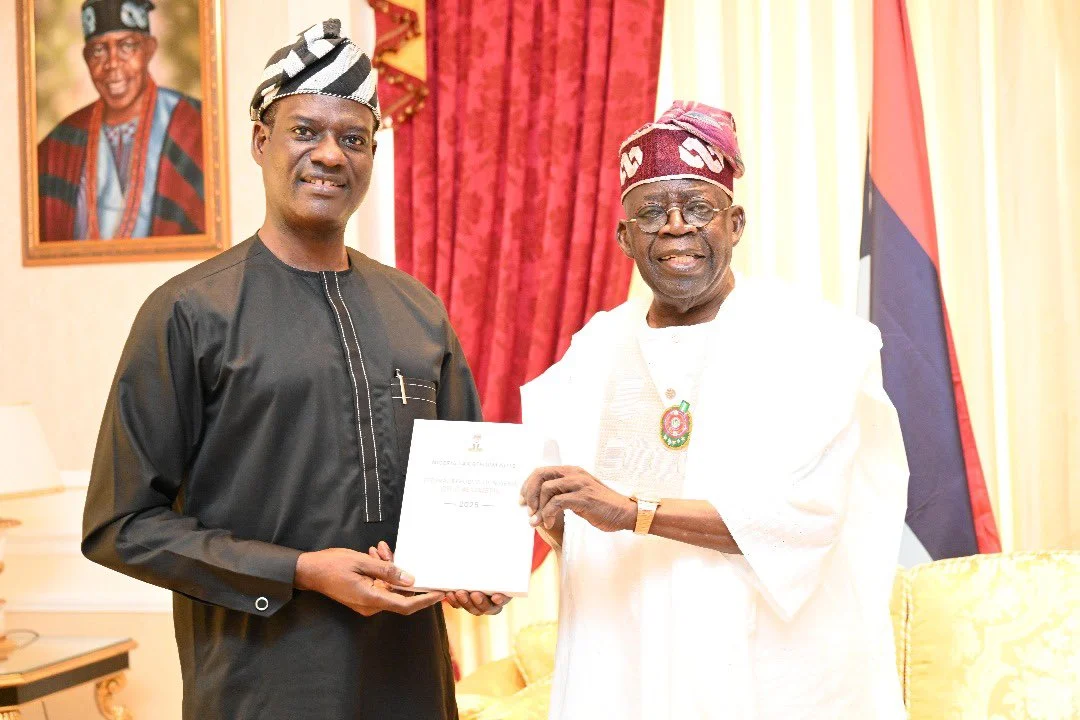
Following the escalation of violence, President Bola Tinubu convened a security meeting with service chiefs at the Presidential Villa in Abuja. The meeting reportedly lasted nearly two hours, although details of the discussions were not made public.
Speaking after the meeting, the Minister of Defence, Christopher Musa, said the recent spike in attacks could be linked to extremist beliefs held by insurgents during the Islamic holy month of Ramadan.
According to him, some fighters believe dying in battle during the period guarantees them spiritual reward.
“As usual with the terrorists during the Ramadan period, they believe that when they die, they are going to heaven. So they are ready to commit offences or even get killed because they feel they will be rewarded,” he said.
Musa added that the military had adjusted its strategy in response to the renewed attacks and had already reclaimed some of the affected locations.
Security analysts, however, believe the attacks are aimed at weakening government presence in certain areas and creating room for insurgents to regain territorial control.
A security expert and fellow of the Institute of Security Nigeria, Chigozie Ubani, said the insurgents’ strategy revolves around displacing communities so they can occupy the abandoned areas.
“Their target is to terrorise, maim and displace people. Once residents flee, they take over the territory. That is the strategy,” he explained.
Ubani added that the militants’ broader objective is to establish control over territories where they can enforce their extremist ideology.
Residents of affected communities in Borno State have also expressed fears that the attacks are part of a deliberate plan to dominate key areas.
A community leader in Gwoza LGA, Modu Hassan, said the militants openly declared their intention to turn Ngoshe into one of their provinces after the recent attack.
“This is not Islam, even if they claim it is. Killing and displacing innocent people has nothing to do with the religion,” he said.
Security sources also pointed to other factors contributing to the rising casualties among soldiers. Some operatives noted that military checkpoints often block insurgents’ movement into communities, making soldiers primary targets during attacks.
A retired military officer, George Emdin, warned that internal sabotage within security structures could also be aiding the insurgents.
According to him, leaks of sensitive operational information have made it easier for militants to track troop movements and plan ambushes.
“There are many saboteurs, and enemies within are often the most difficult to fight,” he said.
Other analysts suggested that the renewed violence could also have political undertones ahead of Nigeria’s 2027 general elections.
A senior officer of the Department of State Services said insurgents sometimes intensify attacks during politically sensitive periods to undermine public confidence in the government.
Similarly, retired Brigadier General Bashir Adewinbi argued that some attacks may be exploited to portray the administration as ineffective.
Experts have also called for changes in military strategy. Retired Brigadier General Peter Aro said insurgent groups have become increasingly adaptive, shifting from large territorial occupations to mobile and coordinated attacks on military bases.
Read Also;
Thousands of HND Graduates Stranded as NYSC Mobilisation Delays Persist
He stressed the need for modern equipment, improved intelligence systems, and flexible tactics suited for asymmetric warfare.
The Chairman of Civil Society Organisations in the North-East, Ahmed Shehu, also urged the government to deploy advanced technology to improve communication among security agencies and reduce casualties among troops.
Meanwhile, the Director of Defence Media Operations, Michael Onoja, assured Nigerians that the military was working to contain the situation.
“Actions are already being implemented to curtail these attacks. The results will soon be visible,” he said.