Stakeholders in Jigawa State have come together to chart a path toward peace and stability following rising tensions and recurring clashes between farmers and herders across the state.
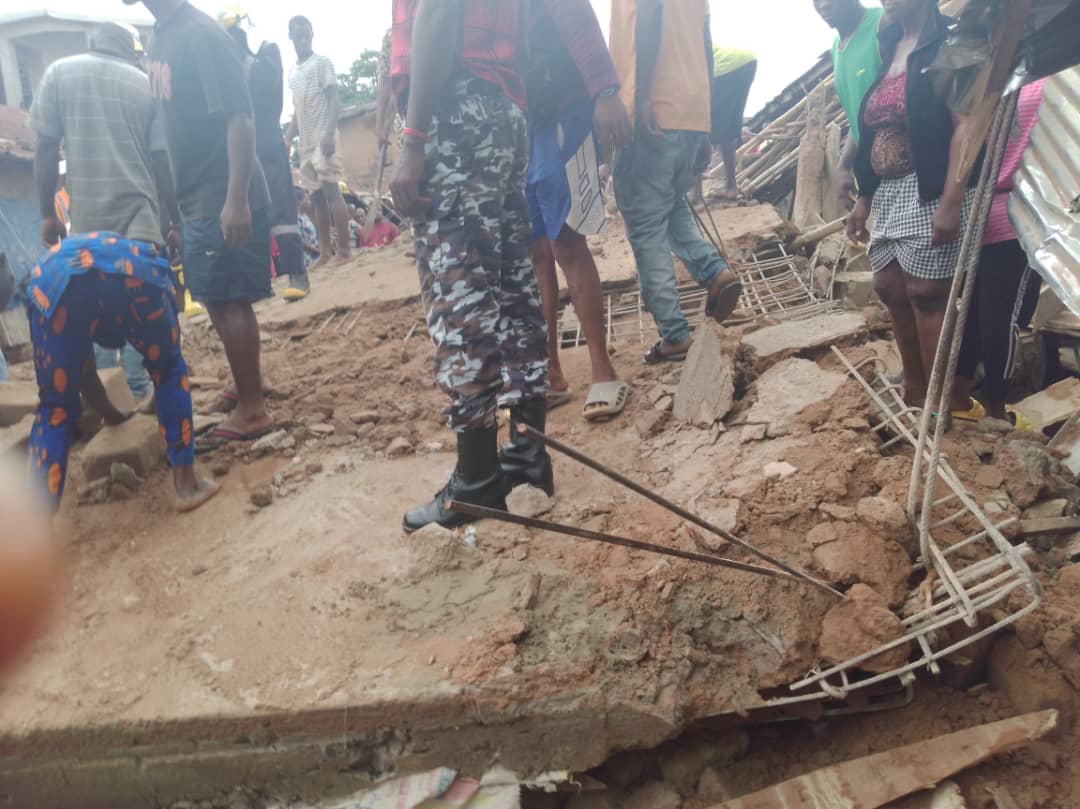
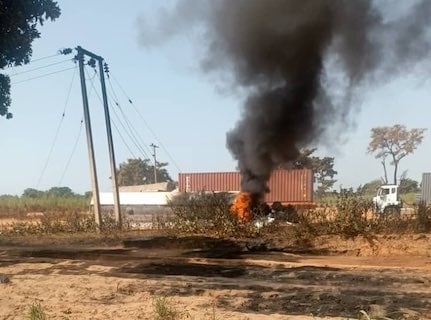
The move comes as the state continues to grapple with the aftermath of recent violent incidents that claimed lives and led to the destruction of farmlands and other property. In the past few weeks, clashes have been reported in areas such as Kirikasamma, Maigatari, Taura, Birnin Kudu, Guri, and Jahun local government areas.
One of the most serious incidents occurred on December 7, 2025, when a clash in Yelwan Musari village, Guri Local Government Area, resulted in the death of two farmers, while several others, including a police officer, sustained injuries.
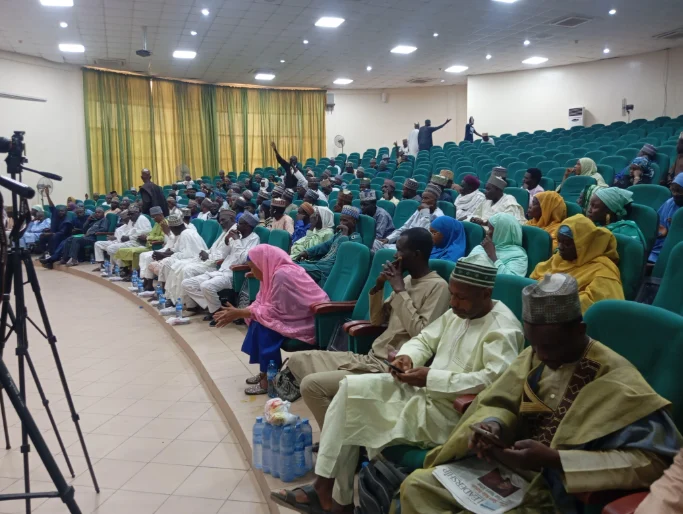
In response, the Jigawa State chapter of the All Farmers Association of Nigeria (AFAN) organised a one-day stakeholders’ engagement seminar to address the growing crisis. The event, held on Wednesday at the Sir Ahmadu Bello Hall in Dutse, brought together farmers, herders, security agencies, and community leaders.
Speaking at the seminar, the state chairman of AFAN, Engr. Auwalu Garba, said the engagement was designed to foster dialogue between farmers and herders and to develop lasting solutions that would ensure peace across the state’s 27 local government areas.
“We are here to understand one another, identify our challenges, and agree on practical solutions that will guarantee peace and stability in Jigawa State,” Garba said. He stressed that the success of the initiative depends on the collective commitment of all stakeholders, including traditional and religious leaders as well as security agencies.
Garba described the seminar as a major step toward resolving the long-standing conflict between the two groups.
Presenting a proposed roadmap at the event, Professor Ado Jangargari, who served as the moderator, highlighted the need for increased awareness on forest reserves, grazing reserves, and designated cattle routes. He also called on the government to intensify public enlightenment campaigns, strengthen law enforcement, and encourage modern animal rearing practices.
According to him, key challenges identified during discussions include encroachment on grazing reserves, inadequate awareness campaigns, insufficient grazing areas, weak law enforcement, and the allocation of grazing reserves to private individuals.
Jangargari urged traditional and religious leaders to play a more active role in grassroots conflict resolution, noting that their influence could help promote lasting peace.
Read Also;
Osimhen Booed, Rivers Crisis Deepens, Joshua Considers Retirement — Top Stories Today
During the interactive session, several participants called on security agencies to enforce the law strictly and ensure that anyone found responsible for instigating violence is punished.
Alhaji Bello Fulani, a representative of Miyetti Allah, expressed hope that the initiative would bring an end to the cycle of violence. “We pray this effort will stop the senseless bloodshed in our state,” he said.
Also speaking, Ibrahim Adamu of the Birnin Kudu Farmers Association said stakeholders were ready to work together to restore peace. “We are committed to cooperation for the peace and stability of Jigawa State,” he added.
The seminar attracted leaders of various farmer and herder groups, including Miyetti Allah and other Fulbe associations, alongside security officials and media representatives, all united by a shared goal of restoring peace and harmony in the state.