Tensions in the Middle East intensified on Monday as new attacks, military exchanges and political developments deepened the ongoing conflict involving Iran, Israel and several Gulf nations.
Oil facilities targeted in Bahrain
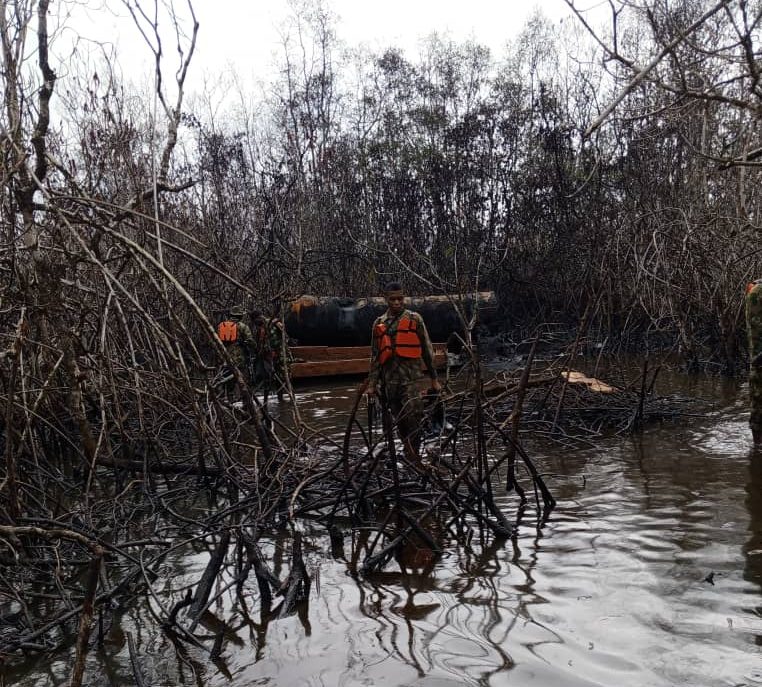
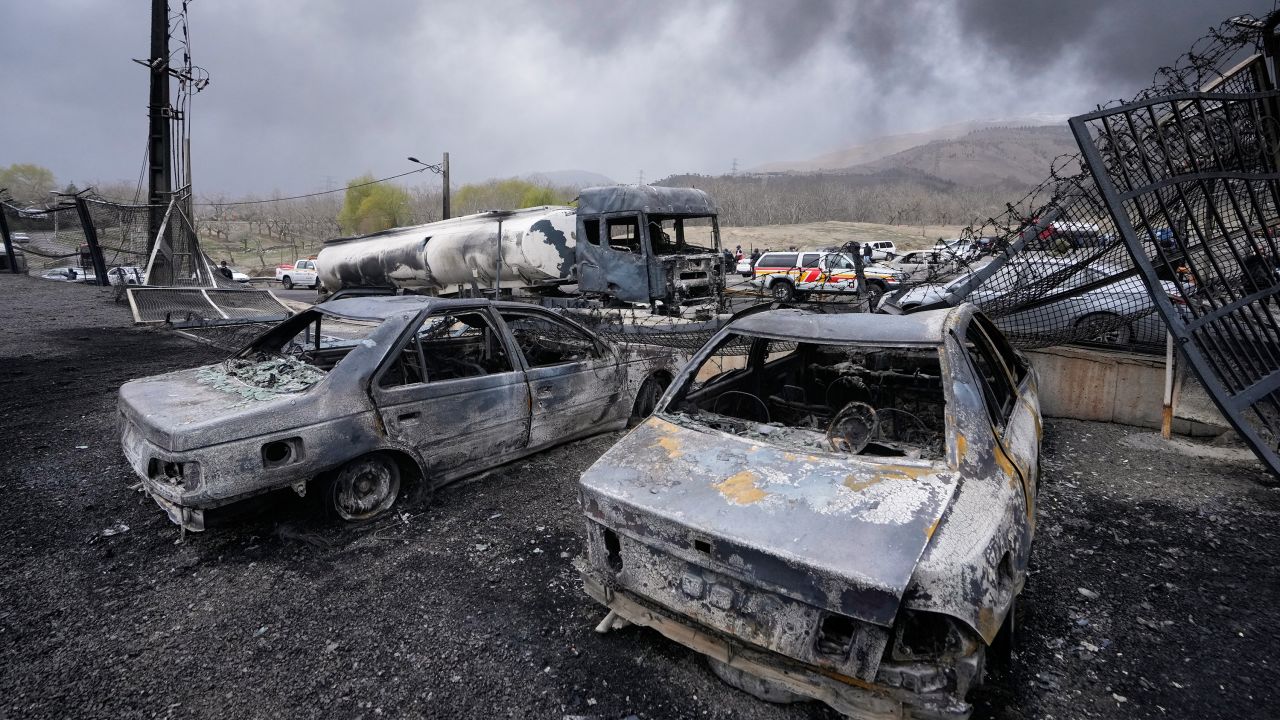
An Iranian strike reportedly hit a major oil facility in Bahrain, triggering a fire and causing material damage at the sprawling Al Ma’ameer complex.
Following repeated attacks on energy infrastructure, the state-owned Bapco Energies declared force majeure, signalling disruptions to operations and potential supply challenges.
Meanwhile, Bahrain’s health ministry said a separate overnight drone attack on the island of Sitra injured 32 civilians, all of them Bahraini citizens.
Saudi Arabia intercepts drone
In neighbouring Saudi Arabia, the defence ministry announced that it intercepted a drone attack targeting the Shaybah oil field in the country’s eastern region near the border with the United Arab Emirates.
The Saudi foreign ministry condemned Iran’s retaliatory strikes, describing them as “reprehensible.”
Israel accused of using white phosphorus
The rights group Human Rights Watch accused Israel of unlawfully deploying white phosphorus over residential areas of Yohmor in southern Lebanon.
White phosphorus ignites upon contact with oxygen and can cause severe burns, fires and respiratory damage. Human rights advocates say its use in populated areas could pose serious humanitarian risks.
Israel and Iran exchange attacks
Iran reportedly launched its first missiles toward Israel following the appointment of a new supreme leader, according to the state broadcaster Islamic Republic of Iran Broadcasting.
Israeli medics reported that one woman was injured during the attack.
The Israeli military said it responded by launching a new wave of strikes against targets in central Iran, including missile launch sites and internal security command centres.
Explosions reported across the Gulf
Explosions were also heard in the Qatari capital Doha, according to journalists on the ground.
Authorities in Qatar, Saudi Arabia, the United Arab Emirates and Kuwait all reported new attacks linked to the escalating regional conflict.
Mojtaba Khamenei named Iran’s new supreme leader
In Iran, the country’s Assembly of Experts selected Mojtaba Khamenei as the new supreme leader following the death of his father, Ali Khamenei.
The powerful Islamic Revolutionary Guard Corps quickly pledged allegiance to the new leader.
Senior Iranian official Ali Larijani described the selection process as completely legal.
Fighting spreads in Lebanon
The Iran-backed militant group Hezbollah said it was engaging Israeli forces that had landed in eastern Lebanon overnight by helicopter from across the Syrian border.
Israel’s military also confirmed carrying out airstrikes in the Lebanese capital Beirut, targeting what it described as Hezbollah infrastructure.
US evacuates embassy staff
The United States Department of State ordered non-emergency staff and family members to leave Saudi Arabia due to rising security risks.
Meanwhile, the United States Armed Forces confirmed the death of a seventh American service member since the conflict began.
The soldier died from injuries sustained during an attack in Saudi Arabia. Six others had earlier been killed in a drone strike on their base in Kuwait.
Read Also;
Middle East War Sends Shockwaves Across Africa
Oil prices and markets react
Global oil prices surged sharply as fears of supply disruption intensified. Benchmark crude prices — West Texas Intermediate and Brent Crude — rose more than 30 percent, climbing above $100 per barrel for the first time in nearly four years.
The spike triggered heavy losses in Asian markets, with stocks in Japan and South Korea falling sharply in early trading.
Trump comments on war
US President Donald Trump said ending the conflict would require a mutual decision with Israeli Prime Minister Benjamin Netanyahu.
However, Trump noted that Washington would ultimately have the final say.
On the surge in oil prices, he dismissed concerns, describing it on social media as “a very small price to pay” to eliminate Iran’s nuclear threat.