
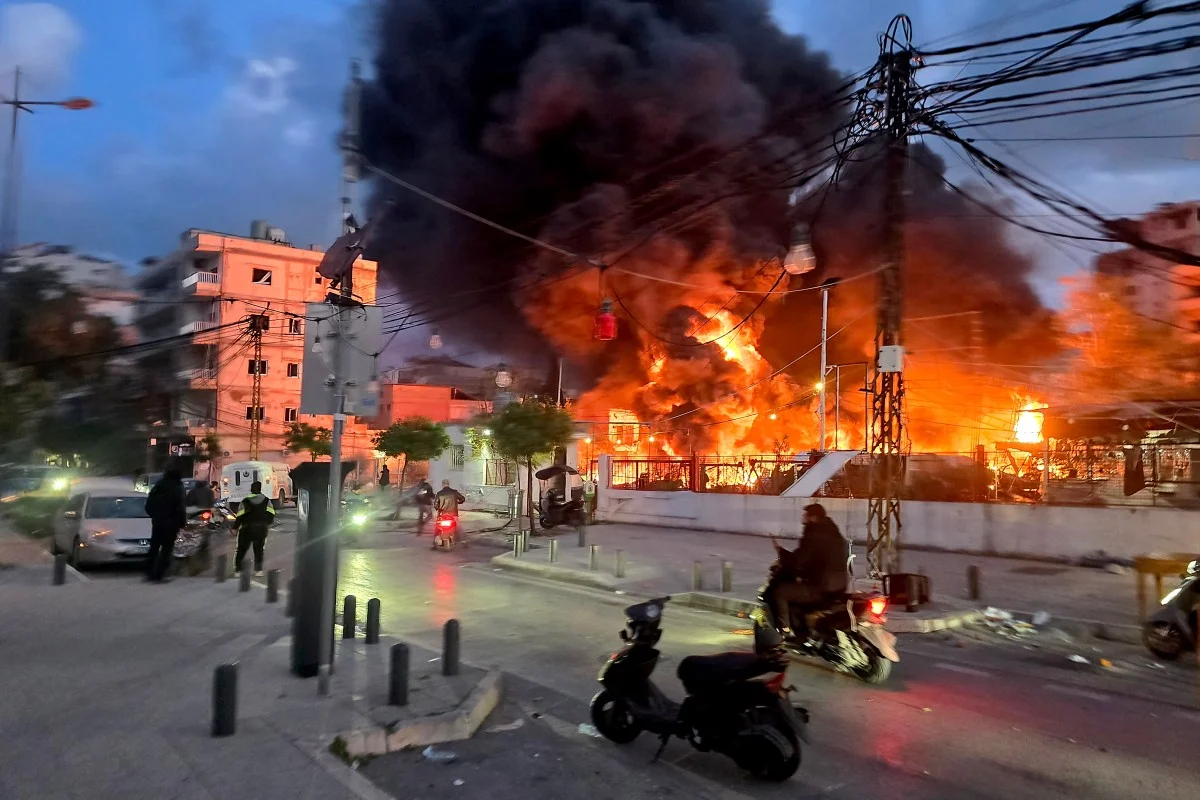
The ongoing conflict in the Middle East is beginning to have far-reaching consequences for Africa, as rising oil prices, shipping disruptions, and security concerns expose the continent’s vulnerability to global crises largely beyond its control.
Experts say Africa remains structurally exposed to tensions in the region due to its reliance on energy imports, the presence of foreign military bases, and its proximity to key maritime trade routes.
Hubert Kinkoh, a senior researcher at the CARPO think tank, explained that these factors mean the effects of the conflict can quickly reach African shores.
According to him, the continent’s dependence on global energy markets and international trade routes leaves many countries highly sensitive to instability in the Middle East.
Security Concerns in the Horn of Africa
Parts of the Horn of Africa are seen as particularly vulnerable due to their strategic location and the presence of foreign military installations. One notable site is Camp Lemonnier in Djibouti, which hosts around 4,000 United States military personnel.
The base is located less than 160 kilometres from Yemen, where Iran-aligned Houthi rebels possess ballistic missiles, drones, and anti-ship weapons. Although the group has not joined the current conflict, it previously disrupted global shipping in the Red Sea during the Israel–Hamas War.
Further south, the breakaway region of Somaliland could also face security risks. The region hosts a major port and military base in Berbera Port, which is operated by the United Arab Emirates Armed Forces. The facility’s location near the entrance to the Red Sea could make it vulnerable if the conflict widens.
Economic Pressures Mount
Economically, the conflict comes at a difficult moment for African nations already grappling with heavy debt burdens. Global trade disruptions are forcing ships to avoid the Suez Canal and instead take the longer and more expensive route around the Cape of Good Hope.
The shift is driving up the cost of shipping, energy, and food across global markets.
Even oil-producing countries like Nigeria are feeling the strain. Although higher oil prices could normally boost revenue, long-term export contracts mean Nigeria cannot immediately benefit from price increases. At the same time, the country remains heavily dependent on imported refined fuel due to limited domestic refining capacity.
Recent data also indicates that fuel prices in Nigeria have risen by about 14 per cent this week, placing additional pressure on households and businesses.
Analysts at SBM Intelligence said the situation highlights the risks of a “wait-and-see” approach to global diplomacy, which leaves national economic interests vulnerable to international developments.
Another concern is the potential impact on remittances from African migrant workers in Gulf countries. Hundreds of thousands of Africans working in the region could face disruption if the conflict escalates, raising questions about evacuation plans and emergency support systems for citizens abroad.
Diplomatic Tensions
The crisis is also creating diplomatic challenges for some African governments. South Africa, for instance, has drawn criticism for hosting Iranian warships during naval exercises earlier this year. Although officials later said the military acted without direct approval from the presidency, the move has complicated relations with the United States.
Timothy Walker of the Institute for Security Studies said South Africa may struggle to maintain its claim of neutrality in the conflict due to the perception of closer ties with Iran.
William Gumede, a professor at the University of the Witwatersrand, warned that such geopolitical positioning could risk economic consequences, including possible sanctions.
Read Also;
OF BROTHERS AND BETRAYAL: THE GEOGRAPHY OF GRIEF
Shifting Regional Influence
In the long term, analysts believe the war could reshape geopolitical dynamics in Africa. Middle Eastern powers such as Turkey, Saudi Arabia, and the United Arab Emirates have steadily expanded their presence across the continent by investing in ports, infrastructure, military bases, and energy projects.
Some observers argue that if these countries become more focused on defending their own territories, their involvement in African conflicts could decrease.
Analysts at SBM Intelligence suggest that such a shift might open the door for African-led peace initiatives to gain greater traction in conflict zones across the continent.
For now, however, the war underscores how global crises can quickly ripple across Africa, affecting security, trade, diplomacy, and economic stability.