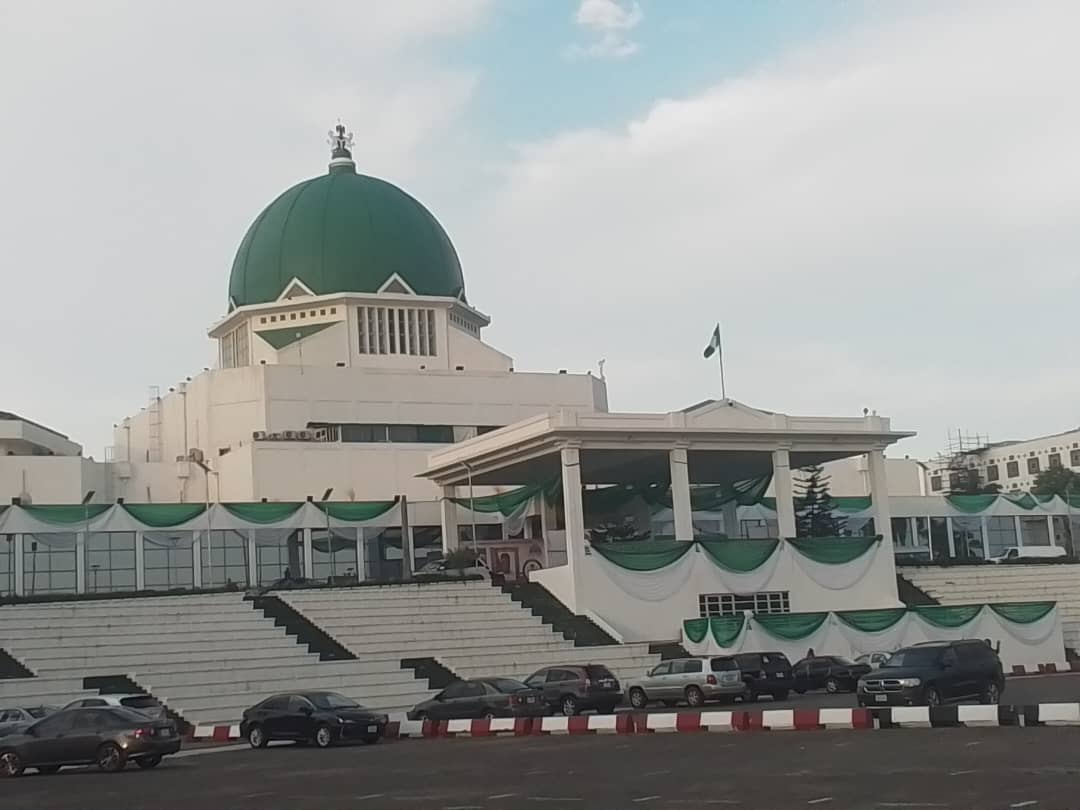

The House of Representatives has urged the Federal Government to cancel all outstanding COVID-19 survival loans owed by vulnerable households and micro-businesses nationwide.
The lawmakers also called on the government—through the Central Bank of Nigeria, NIRSAL Microfinance Bank, and the Ministry of Finance—to immediately stop all ongoing deductions from beneficiaries’ bank accounts.
This followed a motion of urgent public importance moved by Saidu Abdullahi, who represents Bida/Gbako/Katcha Federal Constituency in Niger State.
During the COVID-19 pandemic, the Federal Government introduced the Targeted Credit Facility (TCF), through which ₦419.42bn was disbursed to households, small businesses, and micro-enterprises. A total of 792,936 beneficiaries received the loan, with women making up 45% of the recipients.
Abdullahi noted that the programme helped sustain over 1.5 million jobs during the economic crisis. However, as of September 2023, many beneficiaries were still unable to repay due to rising inflation, food insecurity, job losses, business closures, and declining incomes.
He explained that ₦261.07bn—about 62% of the loans—was still unpaid as of 2023, reflecting the financial struggles of many households. He also pointed out that several deductions had already been made from beneficiaries’ accounts between 2023 and 2025, suggesting the government’s outstanding exposure may now be lower and manageable.
The lawmaker emphasized that the loans were survival support, not typical business loans, as many citizens used the funds for food, shelter, health care, and school fees at the height of the lockdown.
Read Also;
FCT Police Arrest Man Accused of Sourcing Ammunition for Zamfara Bandits
He also reminded the House that the government has shown leniency before, such as in the Anchor Borrowers Programme, where major loan restructuring and partial waivers were granted despite high default rates.
Abdullahi added that many countries—including the U.S., Canada, Germany, South Africa, and India—granted waivers or extended repayment holidays on COVID-19 relief loans.
He warned that continued automatic deductions and aggressive recoveries could worsen hardship, force more small businesses to shut down, increase unemployment, and fuel instability.
The House agreed that cancelling the loans would offer much-needed relief to vulnerable Nigerians still recovering from the economic impact of the pandemic.