The United States House Appropriations Committee is set to lead a joint congressional briefing on Tuesday to examine what officials describe as the rising persecution of Christians in Nigeria.
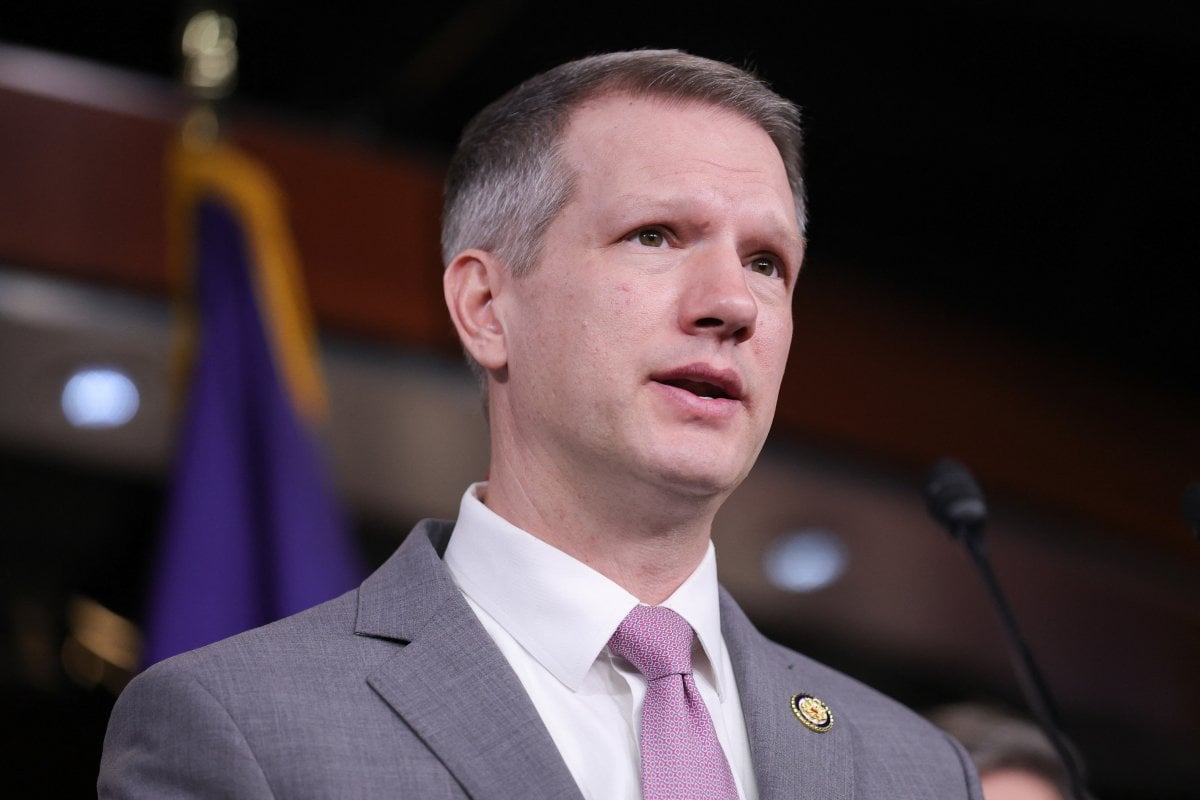
According to a notice shared by US Congressman Riley Moore on X, the session will be convened by the committee’s Vice Chair and Chairman of the National Security Subcommittee, Mario Díaz-Balart. He will be joined by other Appropriations Committee members as well as lawmakers from the Foreign Affairs and Financial Services Committees.
Representatives from the US Commission on International Religious Freedom and other subject-matter experts are expected to participate.
The aim of the briefing, according to the announcement, is to “spotlight the escalating violence and targeted persecution of Christians in Nigeria.” Lawmakers will gather testimony for a detailed report “directed by President Trump on the massacre of Nigerian Christians and the steps Congress can take to support the White House’s efforts to protect vulnerable faith communities worldwide.”
Officials say the roundtable will give Congress deeper insight into the conditions facing religious minorities and help shape future policy responses.
Read Also;
US Lawmaker Meets Nigerian Security Chiefs, Demands Action on Christian Killings and Terrorism
This development comes as the US and Nigeria strengthen security cooperation. President Bola Tinubu recently approved Nigeria’s delegation to the newly formed US–Nigeria Joint Working Group, created to implement security agreements reached during high-level meetings in Washington led by National Security Adviser Nuhu Ribadu.
The working group, made up of senior ministers and security officials, is expected to focus on counterterrorism, intelligence sharing, border management, and improving humanitarian and civilian security responses.
The renewed engagement follows growing international concern over terrorism, banditry, and reported attacks on Christian communities across Nigeria—issues that have intensified calls for stronger protections for vulnerable groups.