The United States is escalating its review of religious freedom in Nigeria as lawmakers prepare for a high-profile congressional hearing that could reinforce Nigeria’s designation as a Country of Particular Concern (CPC)—a move that opens the door to sanctions and other punitive measures.
If upheld by the US Senate, the CPC label would allow Washington to sanction Nigerian officials accused of enabling religious persecution and restrict certain categories of bilateral assistance. It also signals to the world that the US believes religious freedom in Nigeria is under significant threat.
The hearing will take place at 11:00 a.m. at the Rayburn House Office Building, chaired by Rep. Chris Smith (R-NJ). It will feature two panels, including senior US State Department officials and Nigerian religious leaders.
According to the invitation sent to members of the Foreign Affairs Committee, witnesses will include Jonathan Pratt from the Bureau of African Affairs and Jacob McGee from the Bureau of Democracy, Human Rights, and Labor. The second panel will feature religious freedom advocate Nina Shea, Bishop Wilfred Anagbe of the Makurdi Diocese, and Ms. Oge Onubogu of the Centre for Strategic & International Studies.
The hearing will examine alleged religious persecution in Nigeria and explore potential US policy responses—from sanctions and humanitarian aid to collaboration with Nigerian authorities to curb violence.
Trump’s CPC Designation and Nigeria’s Pushback
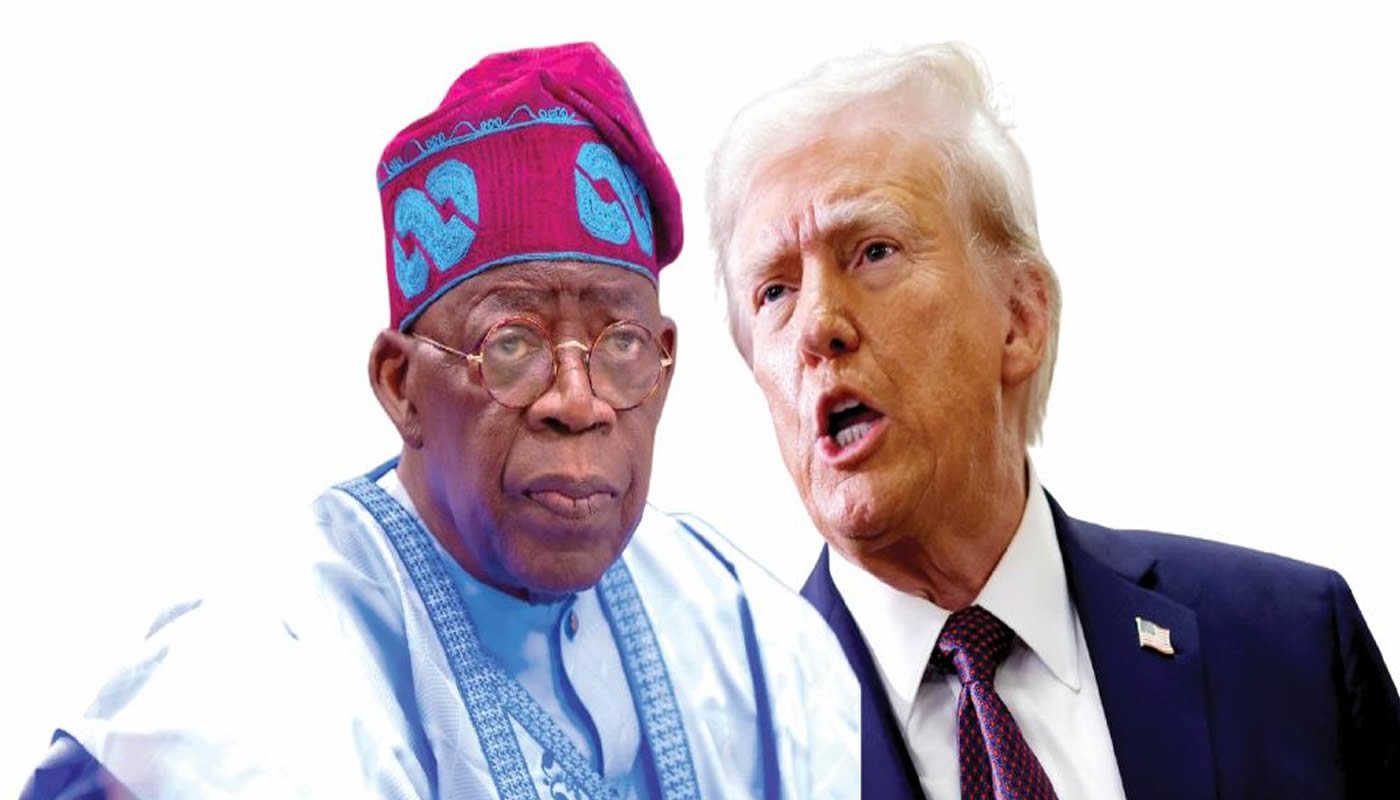
On October 31, 2025, US President Donald Trump officially designated Nigeria as a “Country of Particular Concern,” citing widespread abuses against Christians. He claimed Christianity faces an “existential threat” in Nigeria, blaming radical Islamist groups for thousands of deaths.
Trump warned that the US was prepared to stop all assistance—and potentially take military action—if Nigeria failed to address the alleged violence.
He said the US Department of War had been instructed to prepare for “possible action” if attacks continued.
President Bola Tinubu rejected Trump’s claims, calling them a misrepresentation of Nigeria’s religious landscape. Tinubu maintained that Nigeria is governed by constitutional guarantees of religious freedom and that insecurity is driven by criminality, not religion.
Congressional Leaders Challenge Tinubu’s Position
Several US lawmakers disagree with Tinubu’s stance.
Rep. Riley Moore (R-WV), speaking to Fox News, argued that persecution in Nigeria is real and severe, claiming that Christians are being killed at a ratio of 5-to-1 compared to Muslims.
Moore also pointed to blasphemy laws and cases of individuals facing the death penalty as evidence of systemic religious oppression.
He stressed that the CPC designation triggers multiple tools—from sanctions to aid restrictions—and noted that President Trump has “put all options on the table,” including military action.
Another US lawmaker, Rep. Bill Huizenga, took a more measured stance. In an interview with Arise TV, Huizenga said military action is unlikely, though sanctions and economic pressure remain possible strategies.
Pope Leo XIV Raises Alarm
Pope Leo XIV also expressed concern about rising violence against Christians in Nigeria and other countries. In a post on his official X handle, the Pope lamented ongoing attacks on Christian communities in Nigeria, Bangladesh, Mozambique, Sudan, and the Democratic Republic of Congo.
He prayed for peace and urged believers to work together for the common good.
Nigeria Faces Global Pressure
Bishop Wilfred Anagbe, who will testify at the US hearing, has consistently warned international bodies about attacks on Christian communities in Benue and other states. He has documented cases of villages being destroyed, churches burned, and families forced into internally displaced persons (IDP) camps.
Meanwhile, US Senator Ted Cruz has sponsored a corresponding bill in the US Senate to solidify Nigeria’s CPC status.
Read Also;
Nicki Minaj to Speak at UN Event on Alleged Attacks on Christians in Nigeria
Tinubu Dispatches Peace Envoy to Plateau
In response to rising tensions, President Tinubu recently sent Dr. Abiodun Essiet to Plateau State to meet Christian leaders, Fulani representatives, and community groups. The visit aimed to rebuild trust and reduce inter-communal violence.
A long-running conflict in Jos South involving herdsmen and local farmers was partially resolved during the visit, with MACBAN leaders paying compensation after crop destruction.
The evolving situation places Nigeria under intense global scrutiny, with US lawmakers, religious leaders, and international bodies weighing in on the country’s security challenges and religious tensions.