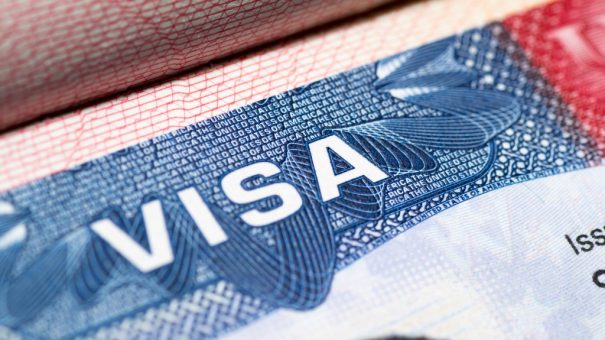
The United States is planning a significant overhaul of its visa-free travel programme, introducing new rules that could affect millions of travellers worldwide.
Under a proposal released by the Department of Homeland Security on Wednesday, applicants using the Electronic System for Travel Authorisation (ESTA) will now be required to submit their social media history from the past five years — a shift from the current system where providing such information is optional.
This change stems from Executive Order 14161, signed in January 2025, which mandates stricter screening to identify potential security threats.
According to the DHS notice, “ESTA applicants will be required to provide their social media from the last five years,” making the disclosure compulsory for the first time.
US Customs and Border Protection says the expanded screening will help confirm identities, detect fraudulent applications, and identify possible security risks.
In addition to social media information, applicants will need to provide more personal data. New requirements include:
Email addresses used over the last 10 years
Phone numbers from the past five years
IP address history
Metadata from photos uploaded with the application
More detailed family information
A broader set of biometric data such as fingerprints, facial recognition, iris scans, and even DNA samples
Read Also;
US Congressman Raises Alarm Over Killings in Benue, Calls for Global Action
The DHS explained that these additions align with new federal guidelines on biographic data and will strengthen identity verification.
Another major change is the plan to move the ESTA process from a web portal to a mobile-only application system.
If approved, these updates will affect travellers from the 40 countries that currently participate in the US Visa Waiver Programme. With more than 14 million ESTA applications filed each year, the global impact could be substantial.
The proposed rules are open for public comments for 60 days once published in the Federal Register. If finalised, this would mark one of the most extensive expansions of digital and biometric screening in US immigration history.