Nigeria’s petroleum industry was thrown into fresh uncertainty on Wednesday following the resignation of two key regulators amid a deepening controversy involving the Dangote Refinery.
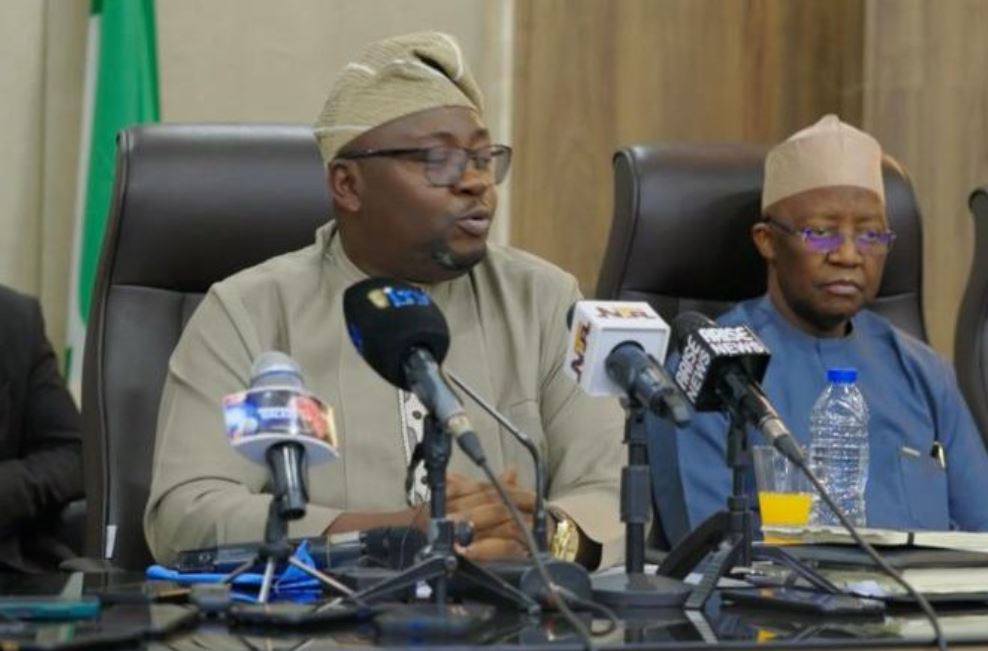
The Chief Executive of the Nigerian Midstream and Downstream Petroleum Regulatory Authority (NMDPRA), Farouk Ahmed, and the head of the Nigerian Upstream Petroleum Regulatory Commission (NUPRC), Gbenga Komolafe, both stepped down after allegations and a formal petition by Dangote Group President, Aliko Dangote.
The Presidency confirmed the resignations, which are widely seen as fallout from the escalating dispute between Dangote Refinery and the NMDPRA over fuel imports, pricing, and regulatory oversight. The crisis intensified after Dangote accused Ahmed of economic sabotage and petitioned the Independent Corrupt Practices Commission (ICPC) over alleged unexplained wealth, including claims that he paid about $5 million for his children’s education in Switzerland.
Following the petition, Ahmed was summoned to the Presidential Villa, after which his resignation was announced. Although Komolafe was not directly linked to the immediate allegations, sources said the government opted for a simultaneous leadership change in both regulatory agencies.
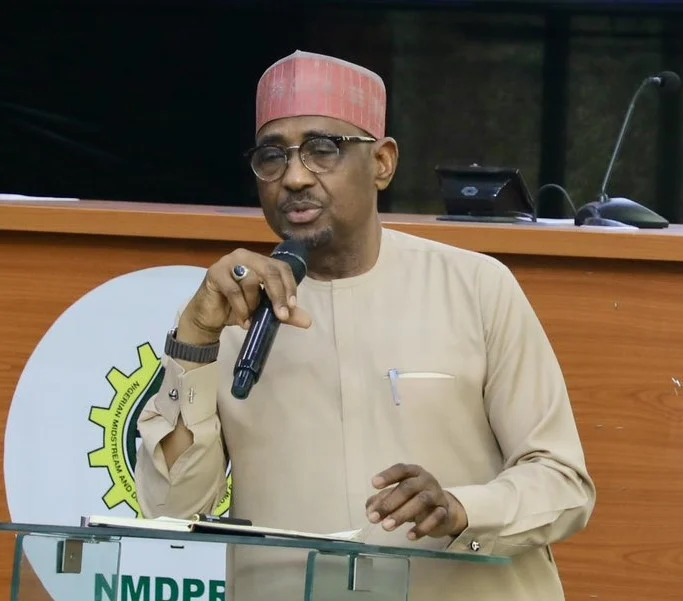
President Bola Tinubu has since written to the Senate, seeking confirmation of new nominees. Oritsemeyiwa Amanorisewo Eyesan has been nominated as CEO of the NUPRC, while Engineer Saidu Aliyu Mohammed was named as CEO of the NMDPRA. The Presidency described both nominees as seasoned professionals with decades of experience in the oil and gas sector.
The sudden exit of the regulators has unsettled players in the downstream oil sector. Marketers warned that the development could worsen an already tense market environment, especially after Dangote Refinery slashed petrol prices aggressively.
A senior marketer, speaking anonymously, said the resignations sent a troubling signal to operators. He claimed many businesses were already struggling after Dangote reduced petrol prices to as low as N699 per litre, making it difficult for importers and depot owners to compete.
The conflict between Dangote and the NMDPRA dates back to 2024, shortly after the refinery began production. Dangote accused the regulator of issuing licences for the importation of substandard fuel, while Ahmed countered by questioning the quality of Dangote’s products and warning against relying on a single refinery for national supply.
The dispute escalated further after the NMDPRA disclosed that Nigeria imported over 1.5 billion litres of petrol in November, despite Dangote’s claims that his refinery could meet local demand. Dangote described the licences as reckless and accused the regulator of deliberately undermining local refining.
Although Ahmed reportedly believed he would be cleared by investigators, he exited office before any probe could begin.
Read Also:
Dangote Petitions ICPC Over Alleged Corruption by NMDPRA Boss
Komolafe’s resignation is linked to earlier disagreements between Dangote and the NUPRC over domestic crude supply obligations, which forced the refinery to import crude oil despite government directives to prioritise local supply.
Industry experts say the resignations have exposed deeper issues in Nigeria’s petroleum sector, including weak regulation and lack of transparency. While some stakeholders welcomed the leadership change, others insisted that resignations alone were not enough and called for full investigations.
As new regulators prepare to take over, the oil and gas industry remains tense, with operators watching closely to see whether the shakeup will restore confidence or further destabilise a sector already shaken by intense price competition and regulatory disputes.