
By Evans Ufeli
Population, economy, education, security- these four pillars define a functioning nation. Nigeria’s story is at once promising and paradoxical: it undeniably possesses the largest of these pillars, a vast and youthful population, but the other three remain underdeveloped or unstable. That imbalance turns potential into fragility rather than prosperity.
Population is Nigeria’s defining asset.
With over 200 million people and a median age in the teens, the country has a demographic profile that could deliver a powerful dividend: a large workforce, a consumer market that can sustain industries, and the human capital for innovation. Yet sheer numbers without the social, economic and institutional frameworks to harness them become a burden. High fertility, rapid urbanization, and inadequate basic services mean that many Nigerians are locked into precarious livelihoods rather than becoming engines of national growth.
Economically, Nigeria’s strengths are uneven.
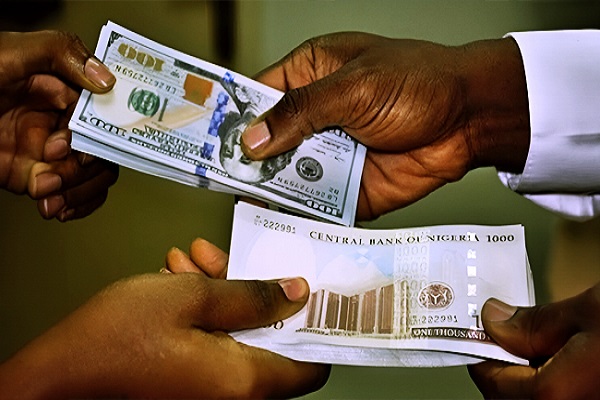
The country commands significant natural resources and vibrant entrepreneurial energy, and its services and informal sectors are dynamic. But dependence on oil revenue, macroeconomic volatility, and structural constraints; poor infrastructure, weak value chains, limited access to finance for SMEs- have kept per capita incomes low and job creation insufficient. Growth has often failed to translate into broad-based improvement in living standards, and millions remain in poverty despite periodic positive GDP headlines.
Education is the missing bridge between population and productivity. Enrollment figures can mask the realities of overcrowded classrooms, teacher shortages, out-of-date curricula and inadequate financing. Quality learning outcomes lag behind regional peers in critical areas such as basic literacy, numeracy and vocational skills. The result is a workforce that is large but frequently ill-equipped for the kinds of jobs that modern manufacturing, services and digital economies demand. Brain drain compounds the problem as skilled Nigerians look abroad for opportunities.
Security is the clearest immediate constraint on national development. Insurgency in the northeast, banditry in the northwest, kidnappings, communal clashes and tensions over land and resources across multiple regions undermine lives, livelihoods and investor confidence. Security challenges are both a consequence and a cause of weak governance: they thrive where state presence is minimal, institutions are distrusted, and grievances over inequality remain unaddressed.
The solution must be holistic. First, treat the population not as a burden but as an asset that needs investment: scale up family planning and reproductive health services to give families choice, while investing massively in early childhood development and primary education to improve lifetime outcomes. Second, pursue economic diversification with a modern industrial policy: support agro-processing, light manufacturing and digital entrepreneurship, improve energy and transport infrastructure, and expand access to credit for SMEs. Third, overhaul education financing and quality assurance: professionalize teaching, modernize curricula to meet market needs, and strengthen vocational and technical training linked to local industries. Fourth, address security through integrated approaches that combine better policing and intelligence with community engagement, conflict resolution, and programs that offer alternatives to violence, particularly for young men who might otherwise be recruited by armed groups.
Read Also;
THE EROSION OF THE SACRED COMPACT
Crucially, all of this requires better governance: more transparent public finances, targeted social protection, anti-corruption measures and local governance reforms that deliver services where people live. Nigeria’s population can be the foundation of a flourishing nation but only if its economy creates dignified work, its schools equip citizens with real skills, and the state guarantees safety and rule of law. Until those pillars are built and reinforced, the country risks remaining defined by numbers rather than by the quality of life and opportunity that should accompany them.