By Evans Ufeli Esq
In the quiet corridors of Oriire, Oyo State, a grievous silence has fallen where laughter and learning should reign. Teachers who once stood as beacons of knowledge and more than forty pupils; some heartbreakingly as young as two years old have been wrenched from the tender ordinariness of school life into a terrifying unknown. Their only transgression, it seems, was the ancient and noble act of seeking education: to sit, to listen, to learn. Yet beneath the nominal guardianship of the state, these children and their educators have been taken into captivity, swallowed by a void of information, swept away without trace.
Imagine the classrooms now: small desks arranged in hopeful rows, chalk dust motes suspended in shafts of sunlight, tiny shoes left lined by the door. The absence is more than physical; it is a rupture in the trust that binds community to institution and citizen to state. Where parents once entrusted their little ones into the care of teachers, there is now an ache of suspicion and a gnawing, sleepless fear. The ordinary rhythms of school bells, lullabies, and recitations have been replaced by a constant vigil at gates and an anxious tallying of names that cannot be crossed off the list.
This is not merely an administrative lapse. It is an affront to the sanctity of childhood and the dignity of those who commit their lives to education. To take a child, especially one barely past infancy is to extinguish a thousand potential dawns. To hold teachers in limbo is to paralyze a community’s capacity to nurture, to question, to grow. The consequences ripple outward: mothers who can no longer harvest without weeping; fathers whose hands tremble with impotent rage; classrooms that risk becoming mausoleums of promise.
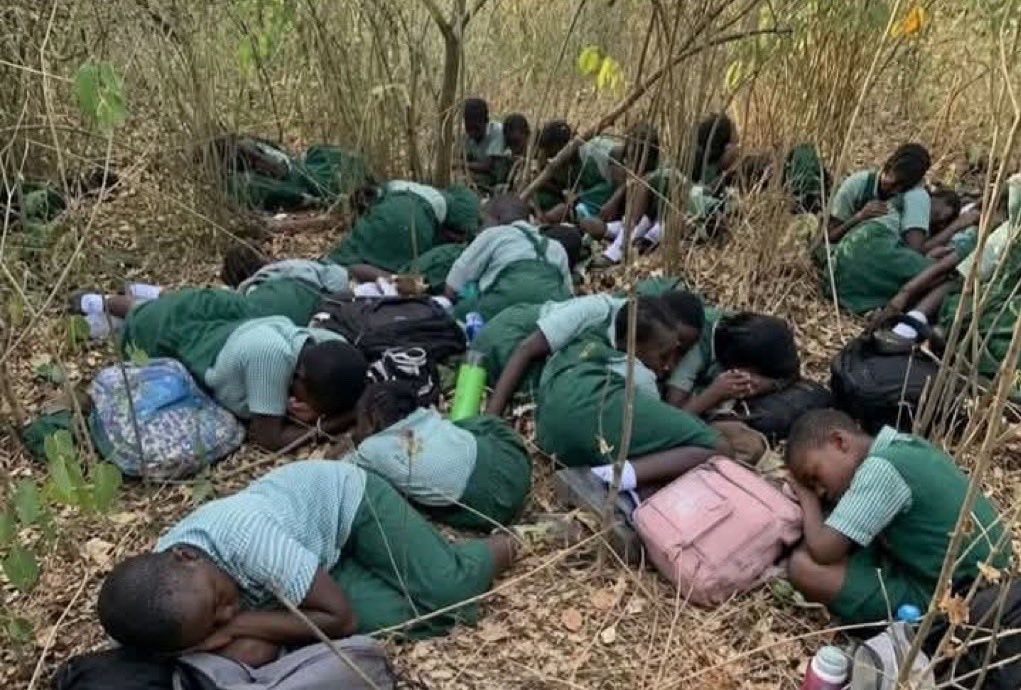
Under the watch and therefore the responsibility of the government, the disappearance of these pupils and their mentors becomes a political and moral indictment. States are sworn to protect the most vulnerable, to ensure that the innocent are shielded from harm. When that duty falters, the social contract is strained to breaking. Citizens are left to ask whether the institutions that exist to safeguard life have become either incapable or unwilling to do so. The silence that follows such disappearances is not neutral; it is complicit, an echo that mocks the very notion of accountability.
READ ALSO
Open Letter by Barrister Evans Ufeli
THE BALLOT’S LAST WITNESS
COMPETENCY AND COMPELLABILITY OF WITNESSES UNDER THE NIGERIAN LAW
Calls for clarity must be urgent, and they must be loud. Families deserve immediate answers: where are the children? Where are the teachers? Who was responsible for their abduction, and under what authority? Transparency is not merely a procedural nicety; it is the salve that can soothe collective grief and the lance that can pierce through obfuscation. Investigations, if they are sincere, must be swift, impartial, and visible; they must offer verifiable steps, timelines, and the names of those accountable, and they must invite civil society and independent monitors to bear witness.
Beyond the immediate need for recovery and justice, this calamity compels deeper reflection on the conditions that permit such atrocities to occur. Why do communities remain exposed to the predations of armed groups or illicit networks? How can the architecture of protection; from policing to intelligence to social services, be fortified so that no child’s attendance at a classroom becomes a life-threatening act? Answers must be structural: sustained investment in local security, genuine engagement with community leaders, strengthened legal mechanisms for child protection, and robust systems for monitoring schools and staff.
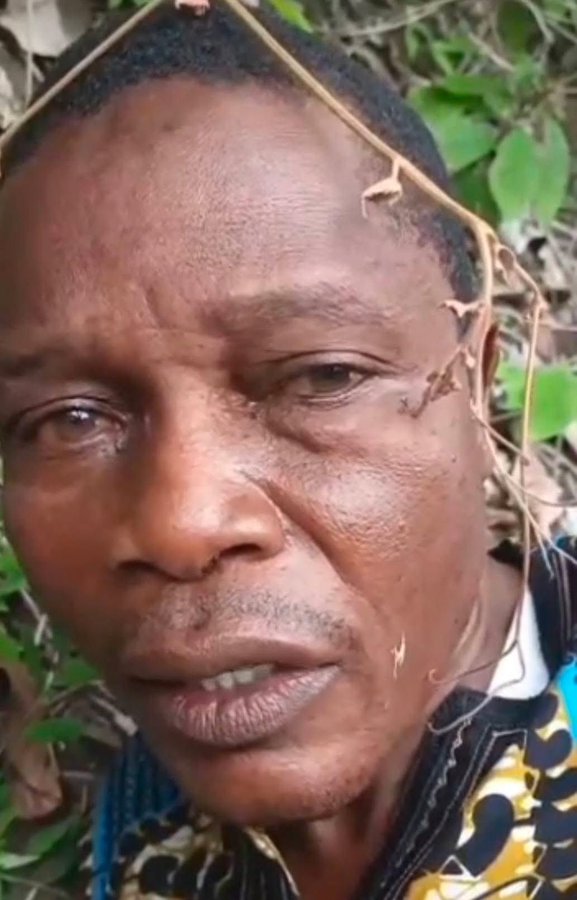
But there is also a human remedy. Healing must flow from collective rituals of support: vigils beneath the mango trees, communal kitchens feeding anxious families, networks of volunteers canvassing for leads, lawyers pro bono demanding court orders, and advocacy that transforms private grief into public demand. Let there be a chorus of voices; parents, teachers, civil society, faith leaders, and conscientious officials insisting that the missing be restored and that the fabric of public trust be mended.
This is a test of conscience for every citizen and every institution. The measure of a society is not in its monuments or proclamations, but in how it protects its smallest and most vulnerable. Oriire’s empty classrooms call upon us to act with urgency, to refuse complacency, and to insist that no child’s right to learn be rendered a perilous petition. The search for these children and their teachers must be relentless, guided by compassion and conducted in the full light of accountability, until every little hand is returned to its parent’s palm and every teacher reclaimed by their classroom.
I shall go to Rabbi again.
Evans Ufeli Esq,
Grand Counsel,
Rabbi Solicitors.