By Evans Ufeli Esq
There are moments in the life of a nation when the loudest danger is not the sound of gunfire, but the whisper of hatred disguised as patriotism. There are seasons when fear is clothed in the garments of nationalism, prejudice masquerades as public policy, and fellow human beings are transformed into convenient scapegoats for problems they neither created nor control. It is in such moments that history pauses to examine the conscience of a people.
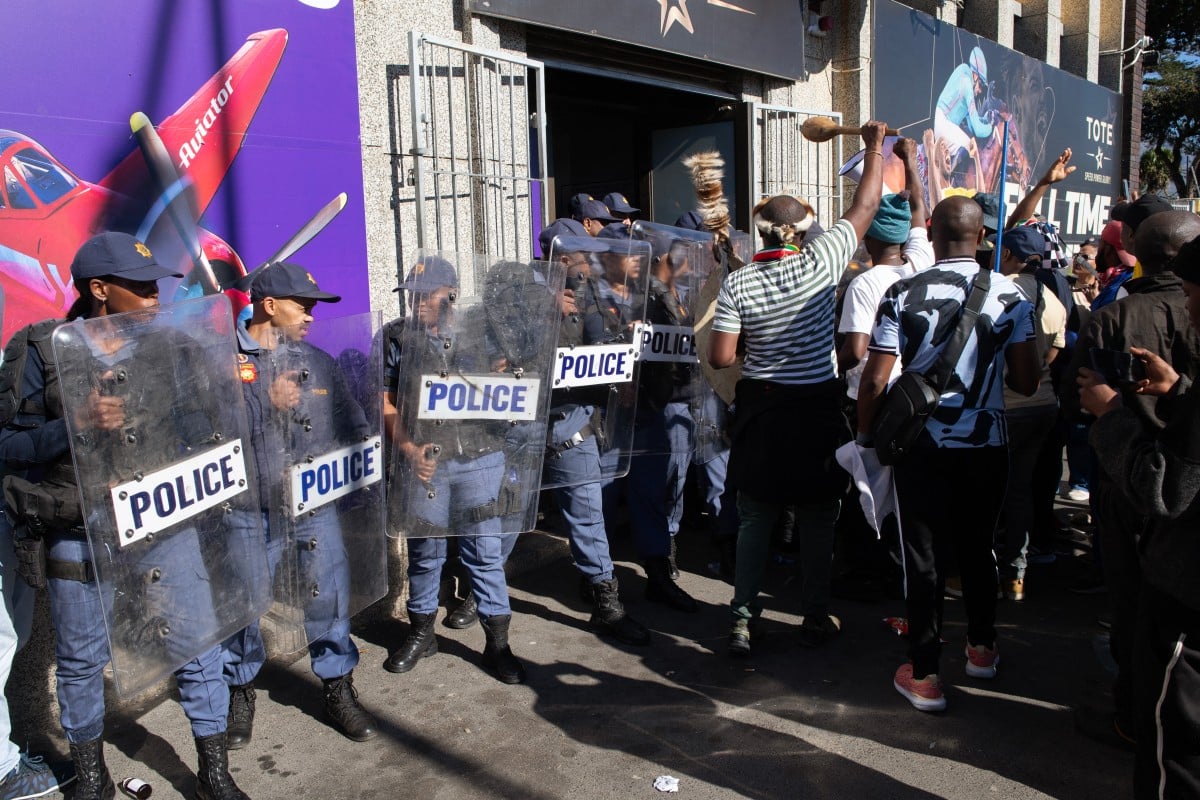
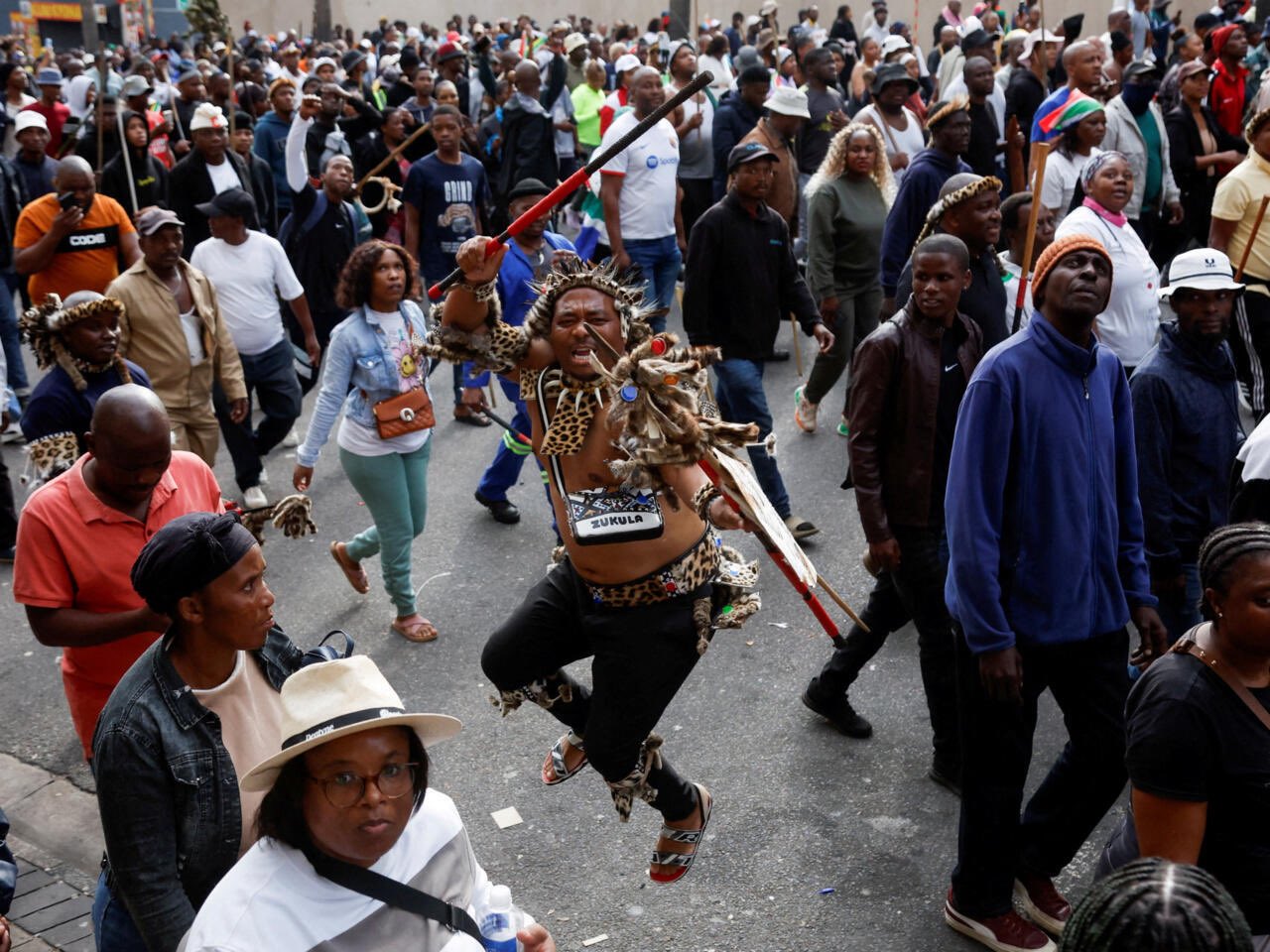
The discussions and rumours surrounding a purported June 30 xenophobic "deadline" in South Africa; whether expressed through public rhetoric, social media campaigns, or community mobilisation serve as a sobering reminder of how fragile social harmony can become when suspicion triumphs over compassion.
Regardless of whether such deadlines are officially recognised or merely circulated by individuals or groups, the symbolism is deeply disturbing. Humanity should never be subjected to expiration dates.
WATCH VIDEO OF THE JUNE 30 PROTEST
A calendar was designed to measure time, not the worth of human lives. Dates commemorate freedom, celebrate achievement, honour sacrifice, and preserve memory. They should never become milestones for exclusion or intimidation. Whenever a date is invested with the expectation that certain people should disappear simply because they were born elsewhere, civilization itself suffers a profound moral injury.
South Africa's democratic journey is one of the most inspiring political transformations in modern history. It is a nation whose liberation was forged through extraordinary sacrifice, unwavering resilience, and an uncompromising demand for human dignity. The world watched with admiration as a country long imprisoned by institutionalised discrimination emerged with a Constitution founded upon equality, justice, and the inherent dignity of every person.
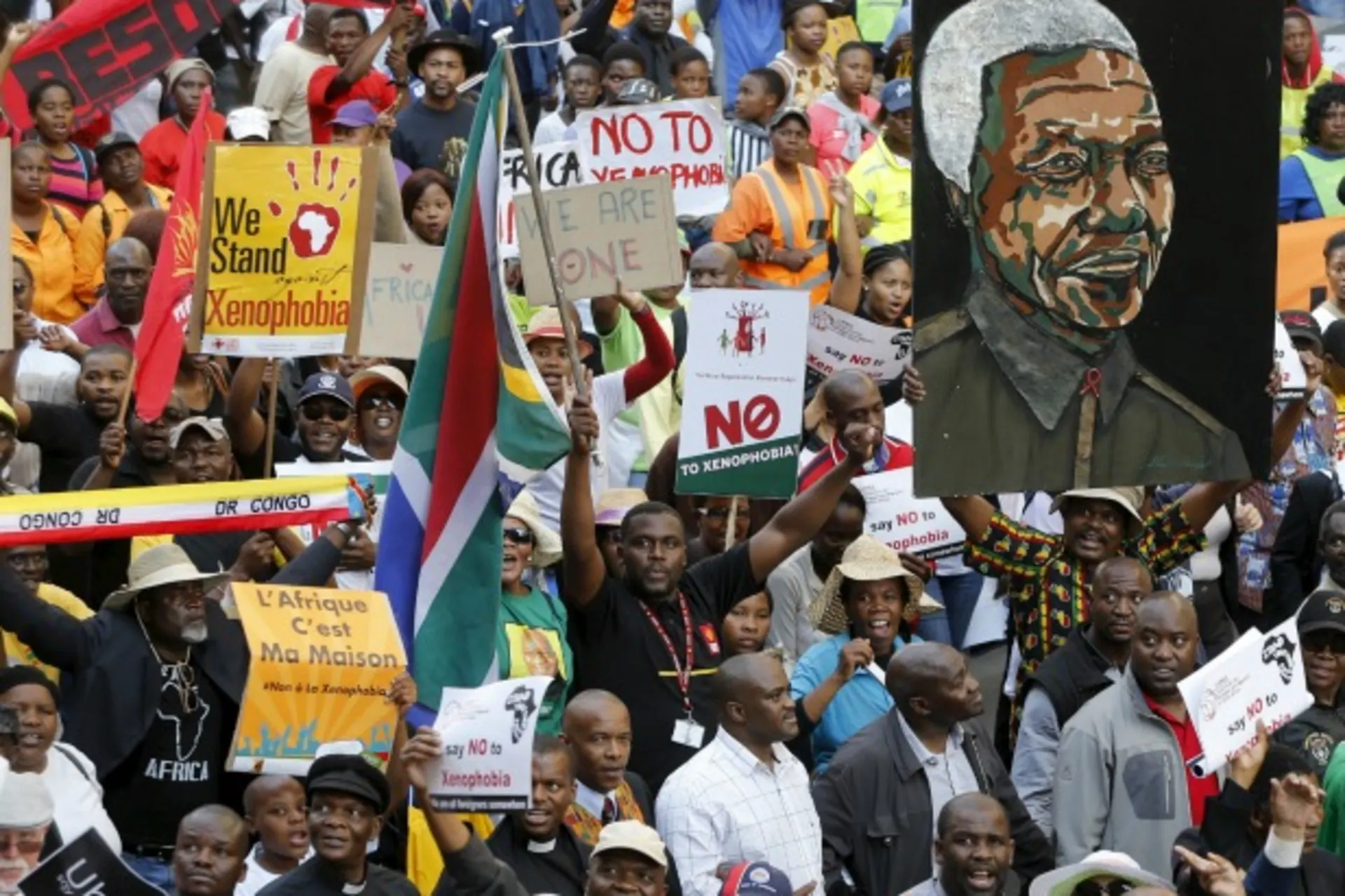 That legacy carries enormous moral weight.
To permit xenophobia to flourish within such a historical landscape would be to betray not merely constitutional principles but the very spirit of the struggle that liberated millions from oppression. A nation that once pleaded for global solidarity cannot now become indifferent to the suffering of vulnerable neighbours seeking opportunity, safety, or survival within its borders.

Migration itself is neither an African anomaly nor a South African invention. It is as ancient as civilization. Long before artificial boundaries divided the continent into sovereign states, African communities traded together, intermarried, exchanged cultures, migrated in search of fertile land, escaped conflict, and built relationships that transcended geography. Colonial borders altered maps, but they did not erase our shared humanity
The foreigner is often portrayed as an invader, yet many are simply dreamers carrying little more than hope in worn-out bags. They leave familiar homes, beloved families, and cultural comfort not because displacement is glamorous, but because desperation rarely negotiates with comfort. Behind every immigrant lies a deeply personal story; a mother pursuing education for her children, a father searching for employment, a student pursuing knowledge, or a refugee escaping violence that no human being should endure.
It is dangerously simplistic to reduce complex national challenges to the presence of foreign nationals. Unemployment, inequality, crime, corruption, poor governance, inadequate infrastructure, and economic hardship are multidimensional problems requiring courageous leadership and comprehensive policy responses. Blaming immigrants may satisfy emotional impulses, but it does little to solve structural realities. Hatred has never built an economy. Violence has never created employment. Intimidation has never strengthened institutions.
When frustration seeks the weakest target rather than the true source of dysfunction, justice becomes distorted.
History offers painful lessons about societies that normalised the language of exclusion. Every great humanitarian tragedy began not with violence itself but with narratives that gradually dehumanised particular groups. Words preceded actions. Slogans prepared consciences. Labels replaced names. Human beings became "outsiders," "problems," or "burdens." Once empathy disappears, cruelty becomes frighteningly easy.
South Africa must resist that dangerous progression.
The greatness of any nation is measured not merely by the size of its economy or the sophistication of its infrastructure but by the breadth of its compassion. True patriotism does not require hostility toward strangers. Genuine national pride is demonstrated through justice, lawful governance, economic innovation, and social cohesion; not through fear directed at vulnerable populations.
This is not to suggest that immigration policy is unimportant. Every sovereign nation possesses the legitimate authority to regulate its borders, enforce immigration laws, combat criminality, and protect national security. Such responsibilities are essential components of statehood. Yet there exists a profound distinction between enforcing the law and abandoning humanity. The rule of law demands fairness, due process, and respect for human dignity. Xenophobia demands suspicion, collective blame, and exclusion based solely upon nationality.
The two should never be confused.
Africa's future depends increasingly upon cooperation rather than fragmentation. Economic integration, regional trade, educational exchange, technological collaboration, and peaceful mobility represent the continent's greatest opportunities. Walls erected by prejudice cannot produce the prosperity that bridges of cooperation can achieve.
The African philosophy of Ubuntu remains one of humanity's most beautiful moral contributions. It teaches that our humanity is interconnected; that "I am because we are." Ubuntu rejects the notion that dignity belongs exclusively to one nationality while denying it to another. It insists that compassion is not weakness but strength; that kindness is not surrender but civilisation; and that justice cannot flourish where discrimination is permitted to grow.
The conversation surrounding any so-called xenophobic deadline therefore demands more than political commentary. It requires moral reflection. Every citizen must ask difficult questions. What kind of nation do we wish to become? What stories shall future generations tell about us? Will they remember a society that responded to hardship with wisdom, or one that surrendered reason to resentment?
Nations, like individuals, are ultimately remembered not for their moments of comfort but for their responses to adversity.
The true deadline confronting South Africa is not a date on a calendar. It is the urgency of confronting inequality, strengthening institutions, combating corruption, creating employment, expanding educational opportunity, and renewing confidence in democratic governance. These are the deadlines history will record.
No nation secures its future by persecuting those who are different. It secures its future by investing in justice, protecting human dignity, enforcing the law impartially, and cultivating a society where diversity becomes an asset rather than a threat.
The measure of civilisation has never been how comfortably it treats the powerful. It has always been how honourably it treats the vulnerable.
May every calendar remind us not of deadlines imposed upon human beings but of opportunities to become more compassionate than we were yesterday. For nations endure through wisdom, prosper through justice, and attain greatness only when they recognise that every human life possesses an intrinsic dignity beyond borders, beyond politics, and beyond fear.