The United States and Iran have announced a breakthrough agreement aimed at ending months of conflict across the Middle East, including hostilities in Lebanon, and reopening the strategic Strait of Hormuz, a major route for global oil shipments.
According to officials from both countries, the agreement is expected to be formally signed in Switzerland on Friday, raising hopes for a diplomatic resolution to a war that has claimed thousands of lives and disrupted energy markets worldwide.
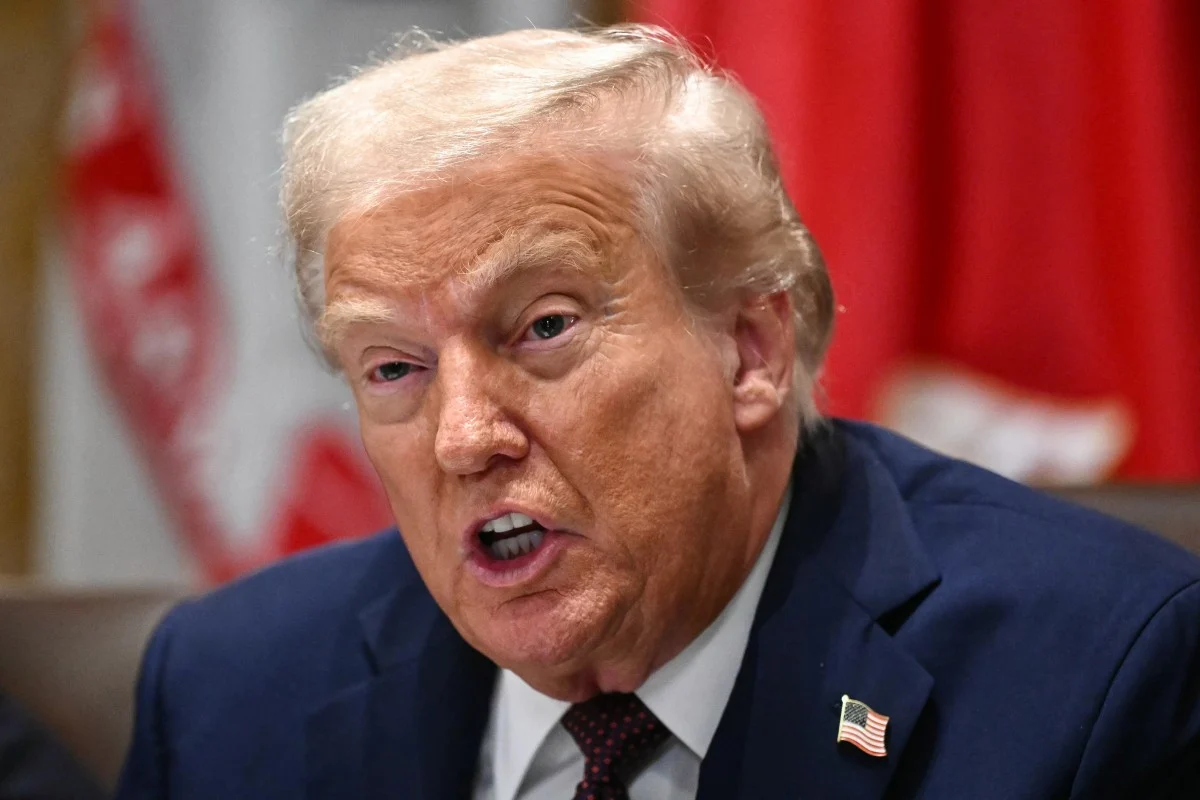
US President Donald Trump confirmed the development in a post on social media on Sunday, declaring that the deal with Iran had been completed and announcing that shipping through the Strait of Hormuz would resume.
“The Deal with the Islamic Republic of Iran is now complete,” Trump wrote. “Ships of the World, start your engines. Let the oil flow!”
Iran’s Deputy Foreign Minister, Kazem Gharibabadi, also confirmed that the agreement would bring an immediate end to the conflict and said both countries would begin fresh negotiations within two months to work towards a long-term settlement.
Pakistani Prime Minister Shehbaz Sharif later revealed that military operations on all fronts, including in Lebanon, would cease immediately and permanently. He also acknowledged the role played by Qatar, Saudi Arabia and Turkey in mediating the agreement.
Although the announcement has been welcomed globally, many of the details remain unclear, especially concerning Iran’s nuclear programme.
Iranian media reported that the United States would release billions of dollars in frozen Iranian assets as part of the agreement. According to the reports, about $24 billion in assets could be unlocked during a 60-day negotiation period, though Washington has not officially confirmed the figures.
Speaking to the New York Times, Trump said discussions were still ongoing over whether Iran would suspend uranium enrichment for 20 years, although he indicated that a 15-year suspension might also be considered.
The agreement has been widely welcomed by world leaders.
United Nations Secretary-General António Guterres described it as a crucial step towards peace in the region, while Britain, France, Germany and Italy expressed readiness to ease sanctions on Iran and support efforts to secure a lasting diplomatic solution.
Read Also:
Iran Rejects Any U.S. Deal That Fails to Protect National Interests, Says Chief Negotiator
Financial markets also reacted positively. Oil prices fell sharply in Asia, while Japan’s Nikkei index recorded strong gains as investors anticipated reduced tensions and improved energy supplies.
US Vice President JD Vance said the agreement would help lower energy costs and create long-term economic opportunities across the Middle East.
Sunday’s announcement followed a tense period after an Israeli airstrike on Beirut threatened to derail negotiations. Trump reportedly expressed anger over the strike, blaming it for delaying the peace agreement.
Iran has consistently insisted that any ceasefire arrangement must also address the conflict in Lebanon, where Israel has been engaged in military operations against the Iran-backed Hezbollah movement.
Despite lingering questions over the nuclear issue, the deal is being viewed as one of the most significant diplomatic breakthroughs in the region in recent years.