The United States House Appropriations Committee has approved new provisions that could significantly reshape how financial assistance is given to Nigeria, introducing stricter conditions tied to security and accountability.
The measures are part of the Fiscal Year 2027 funding bill for the State Department and related programmes, passed on Wednesday. Lawmakers said the move was driven by concerns over Nigeria’s handling of insecurity, particularly violence affecting Christian communities.
While the bill outlines billions of dollars for global security and development programmes—including funds for anti-terrorism, military training, and law enforcement—it does not specify a fixed allocation for Nigeria. Instead, it introduces conditions that must be met before funds can be fully accessed.
According to the proposal, 50 per cent of any US assistance earmarked for Nigeria will be withheld until the US Secretary of State certifies that the Nigerian government is taking “effective steps” to address violence, protect civilians, and hold perpetrators accountable.
The conditions also require Nigeria to prioritise support for victims, including internally displaced persons, and to ensure the safe return and rebuilding of affected communities.
In addition, the bill mandates that US funds should support investigations and prosecutions linked to violence by armed groups, including militia and extremist organisations, while also strengthening the accountability of security agencies.
Read Also;
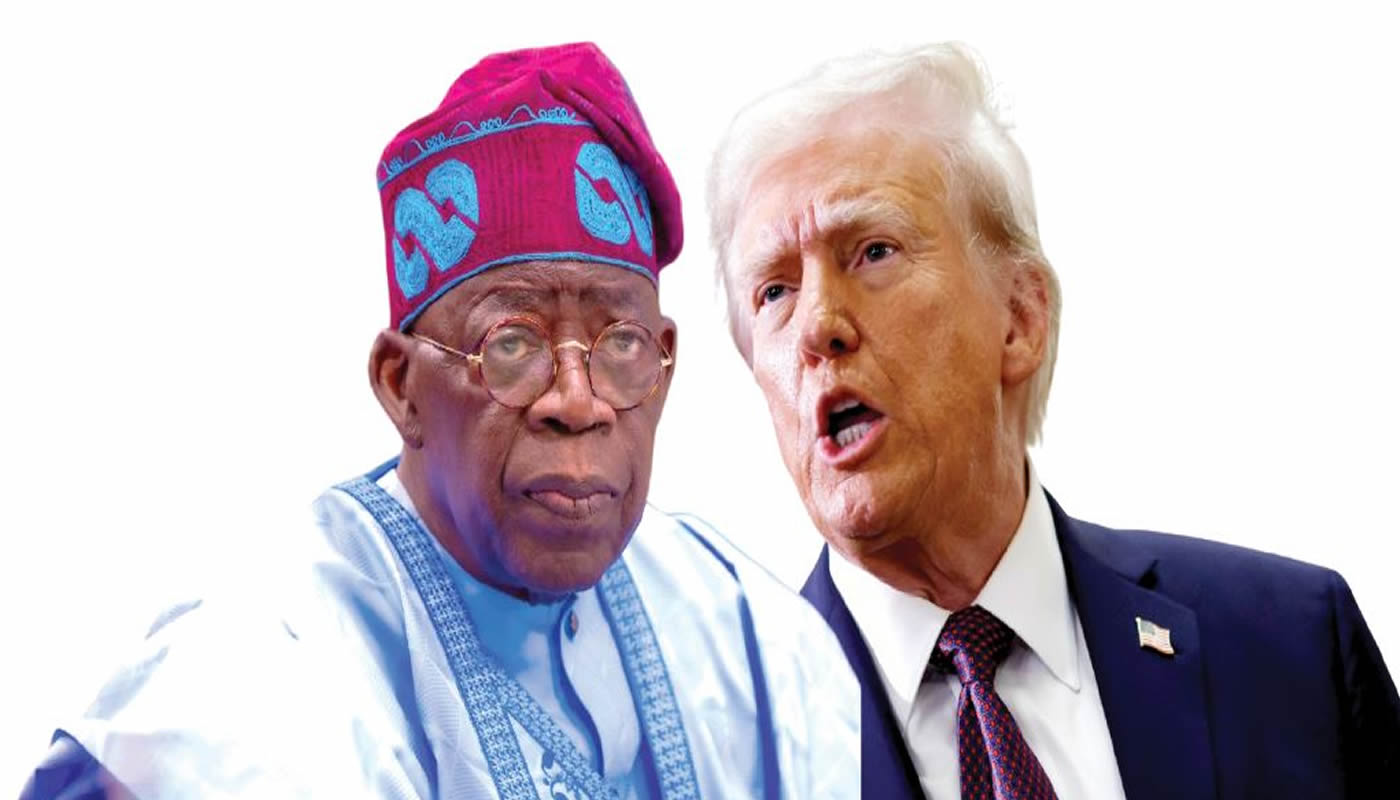
US Lawmaker Faults Tinubu Over Conditions Tied to Security Aid
Another key requirement is a cost-sharing arrangement, meaning Nigeria would need to match, as much as possible, every dollar spent by the US on programmes in the country.
If eventually passed into law, the legislation would place Nigeria on a special watchlist, alongside countries like Pakistan, Iraq, and Ukraine, requiring advance notice to Congress before any funds are disbursed.
The bill still needs full congressional approval and the signature of the US president to become law.
The development comes amid ongoing debate in Washington over Nigeria’s security situation. Some US lawmakers, including Representative Riley Moore, have criticised the Nigerian government’s response to violence, while the Federal Government has consistently rejected claims of targeted religious persecution, insisting that insecurity in the country affects multiple groups and is being addressed through ongoing efforts and international cooperation.