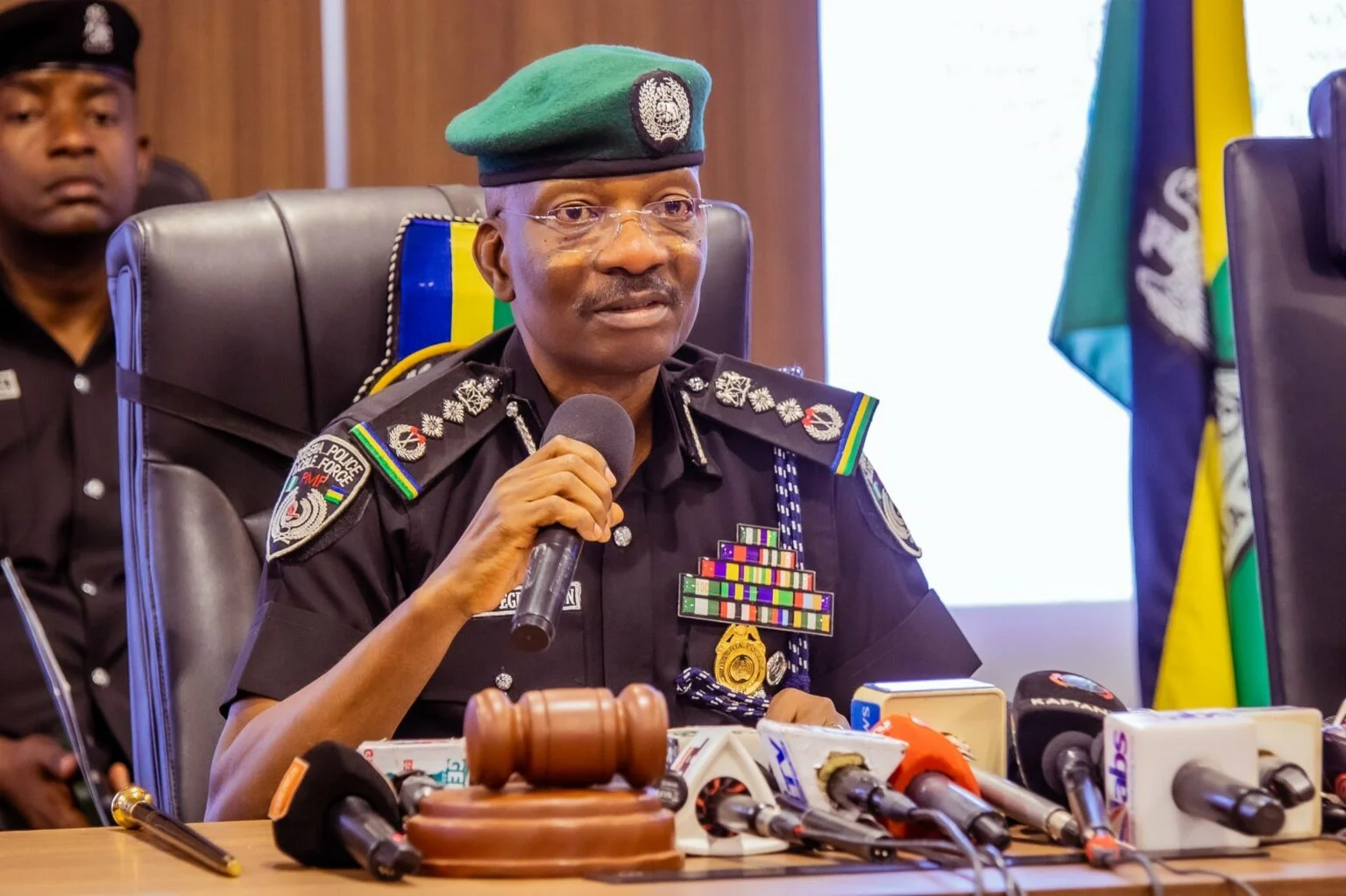
The Inspector-General of Police, Kayode Egbetokun, has ordered the immediate sanction of the head of a police unit linked to the controversial arrest of Sodeeq Atanda, a senior reporter with the Foundation for Investigative Journalism (FIJ).
The directive follows widespread public outrage over the manner of the arrest, which reportedly involved the detention of Atanda’s wife, Adenike, and their nine-month-old baby to lure him out.
The incident happened on Monday in Ikorodu, Lagos, where operatives of the IGP Monitoring Unit allegedly arrested Atanda’s wife and child and pressured her to call her husband under the guise that their baby was ill and needed urgent medical attention. When Atanda arrived, he was reportedly handcuffed and taken to the Force Headquarters in Obalende.
FIJ’s founder and editor-in-chief, Fisayo Soyombo, confirmed the arrest and later release on X, noting that the action was connected to an investigative report written by Atanda. The journalist was released along with his family shortly before midnight on Monday.
The episode sparked strong reactions from the public and civil society groups, with concerns raised over police conduct and press freedom. Activist and publisher Omoyele Sowore described the tactics as “deeply disturbing,” accusing the police of abusing their powers and undermining public trust.
Read Also;
Police Release FIJ Reporter’s Wife and Baby After Brief Detention in Lagos
Responding to the criticism, the Police Force spokesperson, Benjamin Hundeyin, said the IGP was displeased when he became aware of the arrest. He explained that Egbetokun ordered the immediate release of the journalist and directed that the head of the unit involved be sanctioned.
Hundeyin stressed that the IGP remains committed to protecting press freedom and would not tolerate actions that could damage the police’s relationship with the media.
Meanwhile, FIJ disclosed that Atanda’s arrest was linked to an investigation into allegations that the CEO of Legend Adex Immigration Consult, Adeyemi Awoyinfa, failed to refund £15,000 paid by a UK-based Nigerian for two certificates of sponsorship that were never delivered.