
Fresh uncertainty has gripped Nigeria’s oil and gas sector following President Bola Tinubu’s executive order directing the immediate remittance of oil and gas revenues to the Federation Account for distribution among the three tiers of government.
The directive, which halts the retention of certain internally generated revenues by key agencies, has triggered concerns within the Nigerian Upstream Petroleum Regulatory Commission (NUPRC), the Nigerian National Petroleum Company Limited (NNPCL), and the Midstream and Downstream Gas Infrastructure Fund (MDGIF).
At the heart of the anxiety is the absence of a clearly defined alternative funding framework for the NUPRC, which currently relies on a four per cent cost-of-collection mechanism provided under the Petroleum Industry Act (PIA). Industry insiders argue that reverting to conventional budgetary allocations through the National Assembly could expose the regulator to bureaucratic delays and political pressures, potentially weakening its operational independence.
Senior officials at the commission say the PIA was deliberately structured to ensure the regulator can recruit and retain highly skilled professionals with remuneration comparable to international oil companies. They fear that removing its statutory funding source could undermine that objective and disrupt oversight, monitoring and enforcement in the upstream sector.
One official questioned whether an executive order could override an Act of the National Assembly, noting that the four per cent cost-of-collection is not a privilege but a statutory funding mechanism. Without it, he asked, how would the commission meet salary obligations, fund field inspections, and maintain operational efficiency?
Similar concerns are emerging at NNPCL, particularly regarding production sharing contracts (PSCs) in deepwater assets. Company insiders warn that the order could complicate existing arrangements under which royalties and taxes are remitted in crude oil rather than cash. They argue that any abrupt shift in remittance processes may disrupt contractual frameworks, affect crude-backed loan repayments, and unsettle investors.
One senior official cautioned that Nigeria currently has crude-backed financing arrangements worth billions of dollars, with repayment schedules tied to specific oil volumes. Redirecting revenue flows without clarity, he said, could raise questions among lenders and impact the country’s ability to secure future capital.
Investor confidence is another key concern. With Nigeria targeting crude production of about three million barrels per day by 2030 and seeking over $12bn annually in fresh investment, stakeholders fear that sudden policy changes may signal fiscal instability.
However, not all voices within NNPCL share that outlook. Another senior official struck a more measured tone, insisting that the company remains stable and capable of adjusting to the new fiscal framework. He said operations across the value chain — including production and gas processing — would continue uninterrupted, with management reviewing capital allocation strategies in line with the directive.
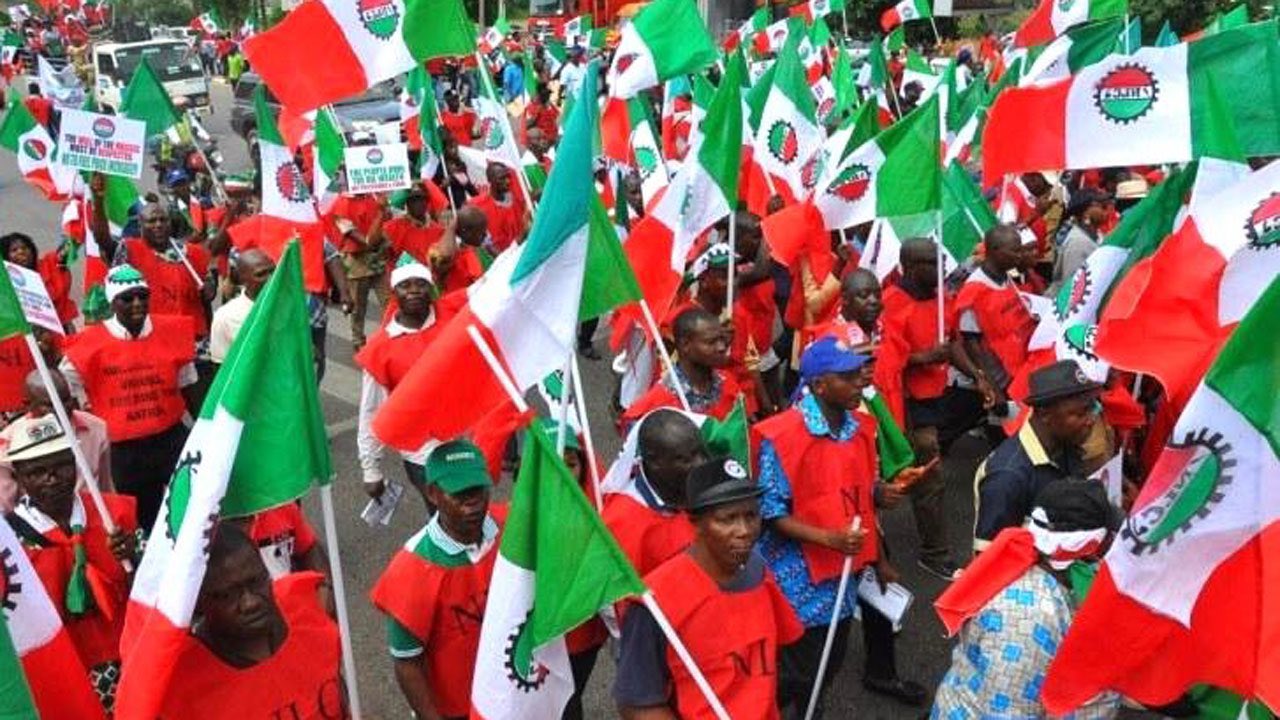
Labour unions have reacted strongly. The Nigeria Union of Petroleum and Natural Gas Workers (NUPENG) has called for an urgent stakeholders’ meeting to clarify the implications of the order, warning that uncertainty could heighten tension among workers. Meanwhile, the Petroleum and Natural Gas Senior Staff Association of Nigeria (PENGASSAN) has outrightly rejected the directive, arguing that it threatens staff welfare and institutional autonomy.
In contrast, the Petroleum Products Retail Outlets Owners Association of Nigeria (PETROAN) welcomed the move, describing it as a bold step toward transparency and fiscal discipline. The group said centralised remittance would improve accountability and strengthen public confidence in the management of oil revenues.
Read Also;
Oil Sector Uncertainty, FCT Poll Dispute and Bayelsa Intrigues Dominate Headlines
Legal and economic experts are urging caution. Economist Muda Yusuf warned that pushing key oil institutions into the conventional “envelope budgeting” system could paralyse their operations. Professor Ayo Ayoade, an energy law scholar, argued that while the Constitution may empower the President, an executive order cannot simply override an Act of the National Assembly without legislative amendment.
The Nigeria Revenue Service, led by Zacch Adedeji, defended the reforms, explaining that the removal of cost-of-collection provisions was aimed at ensuring agencies are funded through the national budget rather than retaining portions of revenue. He stressed that regulatory bodies should focus on oversight functions rather than revenue retention.
As implementation of the order begins, attention is shifting to the National Assembly, where affected agencies may seek legislative clarity. The unfolding debate is shaping up to be a defining test of the balance between executive authority and statutory independence in Nigeria’s oil and gas sector — with implications for fiscal stability, investor confidence and long-term energy policy.