
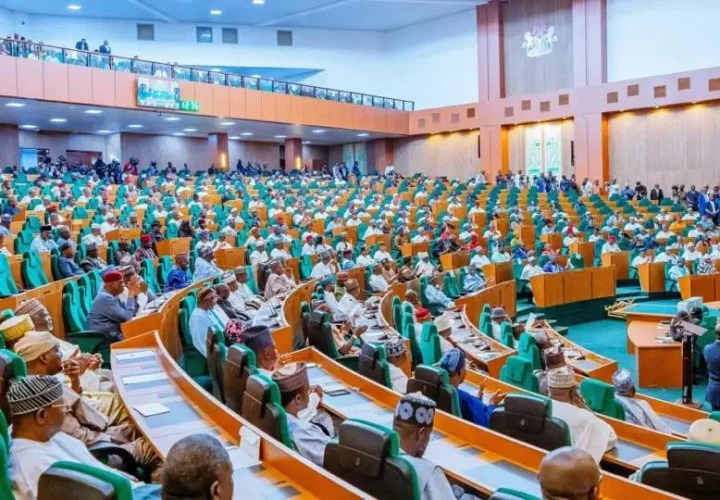
The House of Representatives on Thursday passed the State Police Bill, a major step towards decentralising Nigeria’s policing system and allowing states to establish their own police forces.
The bill received overwhelming support during plenary, with 289 lawmakers voting in favour of the proposal.
The decision came amid growing concerns over insecurity across the country, including increasing cases of kidnapping, banditry and violent attacks in several states.
Proceedings were briefly disrupted when a member representing Kaduna State, Bashir Zubairu, raised a point of order, arguing that lawmakers had only received copies of the constitutional amendment document earlier in the day and had not been given enough time to study its contents.
“Mr Speaker, this document was only made available to lawmakers in the chambers today. We have not gone through it and cannot do justice to it without proper review,” he said.
Read Also:
Reps Summon Ribadu, Defence Minister Over Rising Kidnappings and Insecurity
However, Speaker Tajudeen Abbas ruled the objection out of order and directed that the process continue.
As lawmakers considered the clauses of the bill, several members attempted to raise additional points of order, but the Speaker proceeded with the exercise.
Before voting commenced, Abbas informed the House that the electronic voting system was not functioning and that voting would instead be conducted based on attendance.
Out of the 290 lawmakers present during the session, 289 voted in support of the State Police Bill, while only one lawmaker voted against it. The Speaker did not participate in the vote.
The passage of the bill marks a significant milestone in the long-running debate over state policing in Nigeria, with supporters arguing that it will strengthen security by allowing states to respond more effectively to local security challenges.
The proposal will now proceed through the constitutional amendment process, which requires further legislative steps, including approval by state Houses of Assembly, before it can become law.