The Federal Government spent N57.78 billion on security-related projects and operations between January and April 2026, even as insecurity continues to worsen across the country, with at least 98 criminal incidents recorded within a week.
According to data from the Open Treasury Portal, the amount spent represents a 127.97 per cent increase compared to the N25.35 billion spent during the same period in 2025.
The expenditure covered defence equipment, security infrastructure, military barracks, police facilities and other security projects.
Out of the N4.66 trillion allocated to security in the 2026 budget, only 1.24 per cent had been utilised by the end of April.
A breakdown of the spending showed that N21.39 billion was used for the procurement of defence equipment, accounting for about 37 per cent of the total expenditure. Another N14.16 billion went into security equipment, while N5.84 billion was spent on military barracks.
The government also allocated N5.17 billion to police stations and barracks, N3.26 billion to the rehabilitation of defence equipment, N2.39 billion to defence facilities and N2.16 billion to repairs of military barracks.
Routine security services received N3 billion, while N320.94 million was released as security votes.
However, no funds had been disbursed for "Operation Lafiya Dole and Other Operations of the Armed Forces," despite a N500 million provision in the budget. Likewise, no money had been released for the kitting of military personnel, although N2.53 billion had been earmarked for the programme.
Compared to 2025, spending on defence equipment rose significantly from N9.48 billion to N21.39 billion, while military barracks construction, which received no funding last year, got N5.84 billion this year.
Despite the increase in spending, implementation levels remained low across several projects, with many recording execution rates below three per cent.
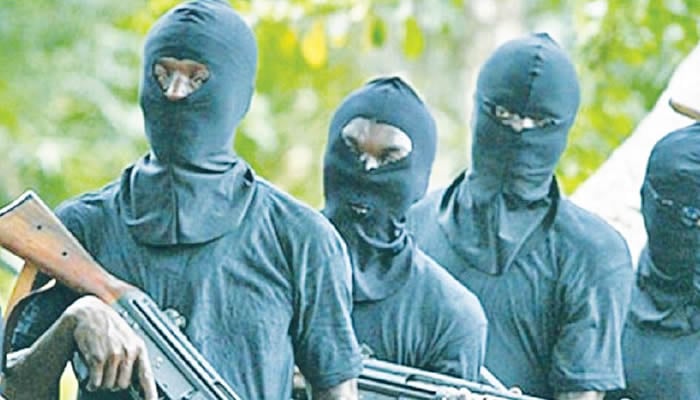
Meanwhile, a police security report revealed that 98 criminal incidents were recorded nationwide in the last seven days. These included 37 murder cases, 27 banditry attacks, 24 kidnappings, eight armed robbery incidents and two terrorism-related attacks.
The crimes were reported across states including Kaduna, Katsina, Zamfara and Kebbi, with several communities experiencing attacks and abductions.
One of the notable incidents involved the abduction of 39 residents in Zamfara State who reportedly entered the Fadama Forest to negotiate peace with a bandit leader identified as Jimo Smally.
In Katsina State, armed men blocked the Katsina-Kankara highway and attacked a commercial vehicle carrying 11 passengers. Security operatives later rescued nine victims, while the driver and another passenger remained missing.
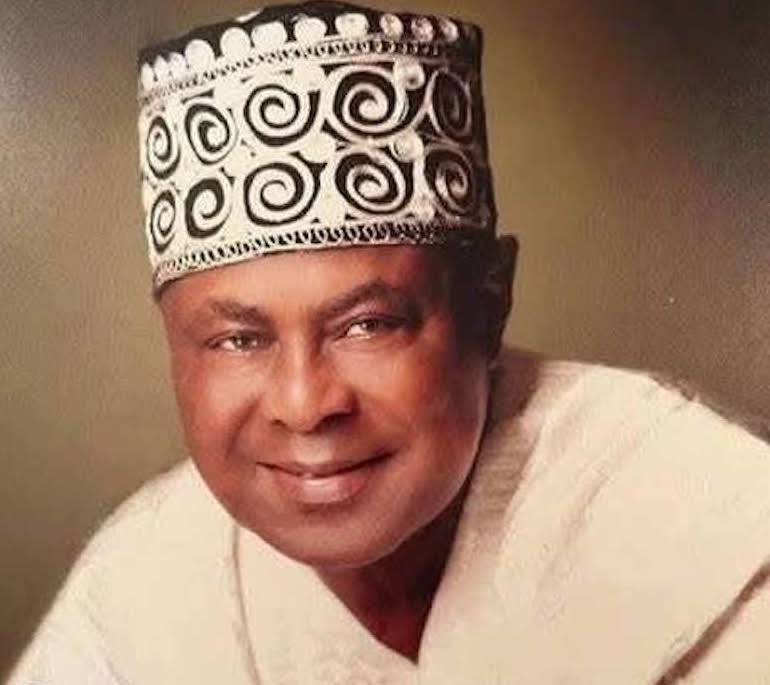
Security analyst Lekan Jackson-Ojo described the current situation as the worst insecurity crisis in Nigeria's history.
Read Also:
Four Vehicles, Container Destroyed as Fire Guts Mechanic Workshop in Ibadan
According to him, the country's economy cannot thrive under the prevailing security challenges.
He also expressed concern over the deaths of senior military officers in recent months, describing the situation as unprecedented.
Jackson-Ojo criticised the government's policy of rehabilitating repentant terrorists and accused the political class of focusing more on elections than on addressing insecurity.
Another security expert, Chidi Omeje, said the military was overstretched due to multiple operations across the country.
He argued that security spending alone would not solve the crisis, stressing that corruption, poverty, poor governance and porous borders had contributed significantly to the rise in criminal activities.
Omeje also pointed to instability across the Sahel region as a factor worsening insecurity in Nigeria and urged the government to adopt more effective strategies.
The latest figures indicate that although security spending has increased considerably, violent attacks and criminal activities continue to pose serious challenges across the country, while a substantial portion of the security budget remains unused.