As the All Progressives Congress (APC) begins its nationwide primaries ahead of the 2027 general elections today, tension and intense lobbying have erupted across several states, forcing party leaders loyal to President Bola Ahmed Tinubu to step up consultations in a bid to prevent a deeper internal crisis.
The growing unrest has sparked protests, collapsed consensus talks, accusations of candidate imposition, and frantic reconciliation efforts in states including Kano, Taraba, Oyo, Kaduna, Edo, Kwara, Yobe, and Abia.
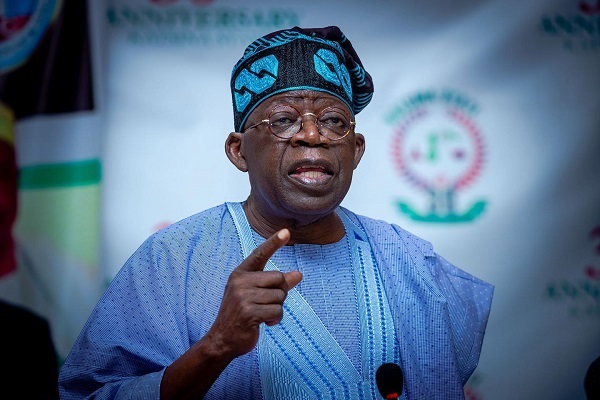
Concerned about the rising tension, President Tinubu appealed to party members, aspirants, and leaders to remain peaceful and conduct themselves with sportsmanship throughout the exercise.
In a personally signed statement released on Thursday, Tinubu warned that bitter disputes during the primaries could weaken the ruling party and strengthen the opposition ahead of the elections.
“In every contest, there will be a winner and a loser. I urge the winners not to gloat in victory and the losers to show sportsmanship by taking things in their stride and preparing for another time,” the President said.
He also cautioned against a return to “do-or-die politics,” stressing that politics should never become a zero-sum game.
According to Tinubu, consensus arrangements remain one of the best options for reducing internal rancour where possible, but aspirants should embrace fair competition where consensus fails.
The APC primaries, beginning with House of Representatives contests, are expected to continue until the presidential primary scheduled for May 25, 2026.
Across several states, however, consensus arrangements have already started collapsing as aspirants resist pressure to step down for preferred candidates.
In Abia State, Deputy Speaker of the House of Representatives, Benjamin Kalu dismissed rumours that some aspirants had already secured automatic tickets.
Speaking during a stakeholders’ meeting in Umuahia, he insisted that no candidate would be imposed on party members.
“There is no automatic ticket and no list by anybody. The party has given us only two democratic options — consensus or direct primaries,” Kalu stated.
Former governor and senator, Orji Uzor Kalu also revealed that President Tinubu had urged APC leaders in the state to remain united ahead of the elections.
In Kano State, efforts to reach consensus for House of Representatives candidates across the 24 federal constituencies remained unresolved late Thursday night.
The APC Publicity Secretary in the state, Auwal Soja, confirmed that consultations were still ongoing, although direct primaries would hold wherever agreements fail.
The situation appeared even more tense in Taraba State, where several aspirants reportedly refused to step down despite reconciliation efforts by party leaders.
APC committees set up to negotiate consensus arrangements reportedly failed in constituencies such as Takum, Wukari, Donga, Kurmi, and Nguroje, forcing the party to prepare for direct primaries.
Some aspirants argued that the consensus arrangement was designed to favour selected individuals rather than provide a level playing field.
In Oyo State, tension escalated after angry APC members stormed the party secretariat in Ibadan to protest alleged plans to impose candidates.
The protesters accused some leaders of allowing money and influence to determine who emerges from the primaries.
The APC Publicity Secretary in the state, Olawale Sadare, alleged that hoodlums invaded the secretariat and damaged vehicles and office property during the protest.
Kaduna State has also moved to calm rising tensions by setting up a reconciliation committee under the directive of Governor Uba Sani.
The state Commissioner for Information, Ahmed Maiyaki, said the committee would engage aggrieved aspirants and stakeholders to prevent divisions within the party.
In Yobe State, Governor Mai Mala Buni reportedly returned to the state to personally supervise reconciliation talks after consensus negotiations faced difficulties.
The crisis followed earlier disagreements over alleged endorsement moves in the state’s governorship race.
One of the aspirants, Senator Ibrahim Bomai, openly criticised attempts to impose candidates, insisting that leadership must emerge through transparent and democratic processes.
In Edo State, attempts by Governor Monday Okpebholo to secure consensus candidates also ran into resistance from aspirants who refused to step down for preferred contenders.
Meanwhile, Sokoto and Borno States appeared to have recorded smoother consensus arrangements.
In Borno, Governor Babagana Zulum officially backed former Commissioner for Works, Mustapha Gubio, as the consensus governorship candidate after consultations with stakeholders.
Zulum also promised that aspirants who voluntarily stepped down would be considered for appointments and other opportunities.
The governor maintained that no candidate would be imposed on any constituency, adding that consultations remained the preferred approach for maintaining party unity.
Beyond the state-level tensions, another major controversy emerged in Lagos involving the Chief of Staff to the President, Femi Gbajabiamila, and actor-turned-lawmaker Desmond Elliot.
Read Also:
APC Primaries Rocked by Petitions, Protests and Consensus Disputes Across States
Speaking at a party meeting ahead of the Lagos primaries, Gbajabiamila disclosed that he nearly lost his position as Chief of Staff during the crisis surrounding the Lagos State House of Assembly leadership tussle involving Speaker Mudashiru Obasa.
According to him, President Tinubu questioned him over reports linking Desmond Elliot to efforts to destabilise the Assembly.
Gbajabiamila said he repeatedly warned Elliot to distance himself from the controversy, adding that intelligence reports had allegedly implicated the lawmaker in the crisis.
He also accused Elliot of attempting to introduce religious division into politics within Surulere constituency.
Elliot is currently seeking another term in the Lagos State House of Assembly but is facing opposition from Barakat Odunuga-Bakare, who reportedly has the backing of Gbajabiamila and other political stakeholders in the constituency.
As the APC primaries officially begin nationwide, party leaders continue last-minute consultations in hopes of preventing deeper divisions that could threaten the party’s unity ahead of the 2027 elections.