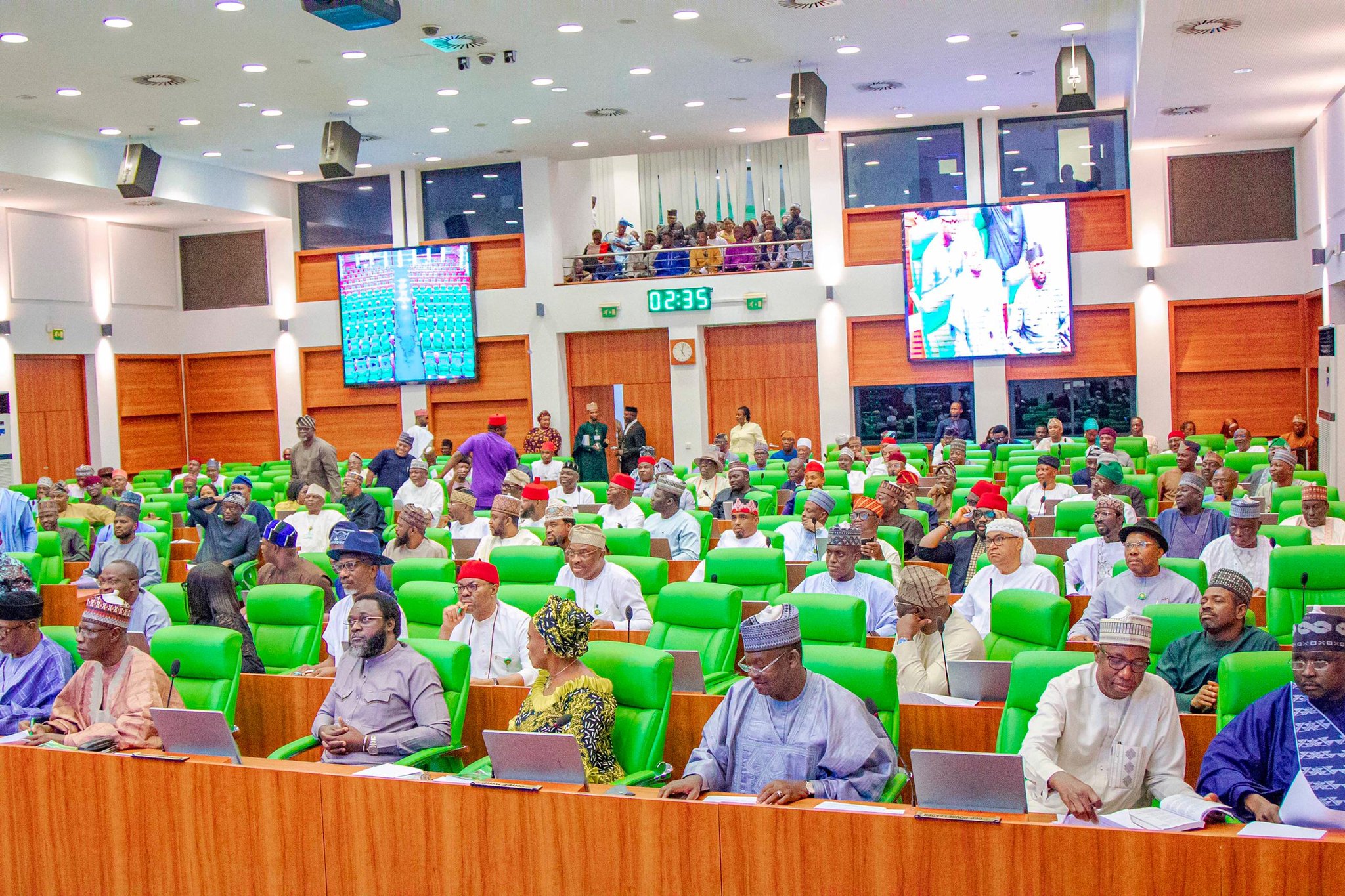
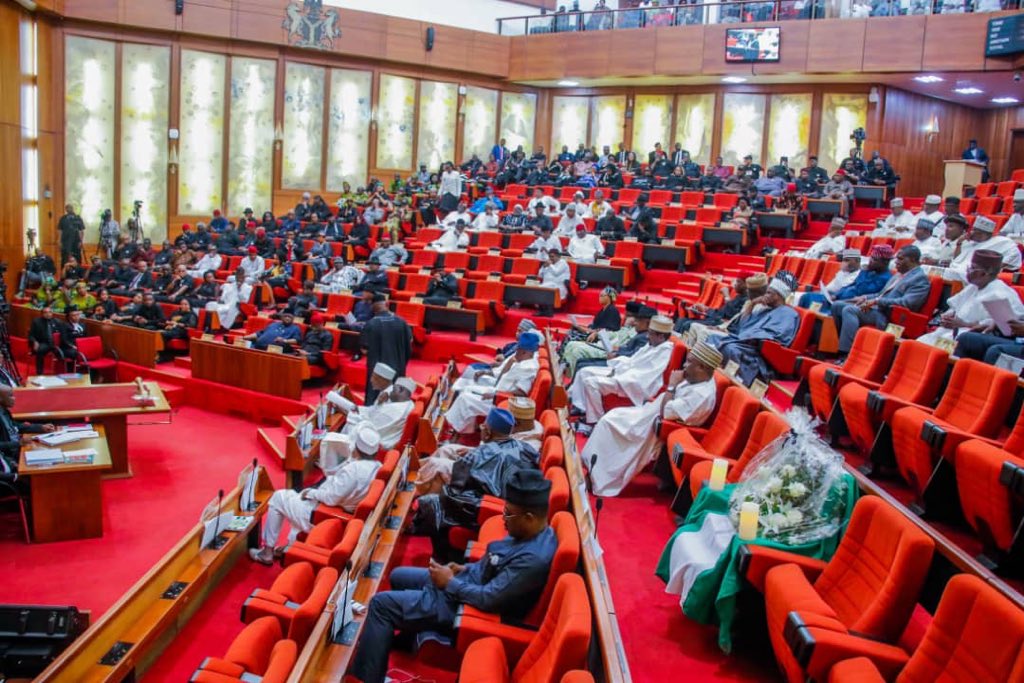
A fresh dispute is brewing in Nigeria’s power sector as electricity regulators from 16 states have accused the National Assembly of attempting to take back powers already devolved to states under the Constitution and the Electricity Act 2023.
In a memorandum submitted to the Senate Committee on Power, the regulators warned that the proposed Electricity Act (Amendment) Bill 2026 could undermine one of the most significant reforms introduced in the sector and reverse the decentralisation process that gave states greater control over electricity matters.
The document, dated May 26, 2026, was signed by chairmen and chief executives of electricity commissions and bureaus in Abia, Anambra, Bayelsa, Edo, Ekiti, Enugu, Gombe, Imo, Kogi, Lagos, Nasarawa, Niger, Ogun, Ondo, Oyo and Plateau states.
According to the regulators, several states have already begun developing their own electricity markets and have attracted investment based on the framework established by the Electricity Act 2023.
They said they had earlier met with members of the Senate Committee on Power and were subsequently asked to present a unified position on the proposed amendments.
“We represent state regulatory commissions and bureaus that have taken advantage of the Electricity Act 2023 to commence the development of sub-national electricity markets,” the regulators stated.
The states identified 17 provisions in the amendment bill which they described as contentious. Among the issues raised are the powers of state legislatures to make electricity laws, the supremacy of state electricity laws, control over activities connected to the national grid, participation in the wholesale electricity market, and the authority of states over transmission and distribution networks.
They also opposed proposals that would expand the powers of the Nigerian Electricity Regulatory Commission (NERC), arguing that they could weaken state autonomy and effectively return the sector to the same centralised structure that had failed to deliver improved electricity supply over the past two decades.
“A review of the bill suggests that the general intention is to reverse the devolution of legislative, governance and regulatory powers over electricity matters that occur solely within states and reconsolidate those powers at the federal level,” the memorandum said.
The regulators argued that the amendment bill wrongly assumes that state Houses of Assembly derive their authority from the National Assembly rather than directly from the Constitution.
They described this interpretation as a misunderstanding of Nigeria’s federal structure, insisting that only constitutional amendments—not ordinary legislation—can alter the powers of states.
According to them, allowing the National Assembly to define or restrict state powers through legislation would violate the Constitution.
The state commissions also expressed concern that the proposed changes could create uncertainty for investors who had already committed resources based on the current legal framework.
“This will defeat the objectives of the Electricity Act and disrupt investments that have already been made under the new regime,” the memorandum stated.
The regulators further rejected provisions that would give NERC final authority over disputes involving state electricity commissions, insisting that both federal and state regulators operate within separate constitutional jurisdictions and are equal within their respective spheres.
They argued that any appellate role over state regulators should remain with the courts and not be transferred to a federal regulatory agency.
Read Also:
FG Secures About 150 Terrorism Convictions in First Two Days of Fresh Trials
The proposed establishment of a Forum of Electricity Regulators also attracted criticism. While the states acknowledged the need for cooperation among regulators, they maintained that such collaboration should be voluntary and based on agreements rather than imposed through federal law.
The regulators equally objected to provisions designating electricity generation, transmission, distribution and supply as essential services covering both federal and state markets, warning that such measures could allow NERC to extend its influence into areas now reserved for state authorities.
They described the proposal as “regressive” and called for its removal.
The disagreement highlights growing tensions over the future structure of Nigeria’s electricity sector.
The Electricity Act 2023, enacted following constitutional amendments, removed electricity from the Exclusive Legislative List and empowered states to generate, transmit and distribute electricity within their territories.
Since then, several states—including Lagos, Enugu, Ekiti, Ondo and Edo—have passed their own electricity laws and established regulatory agencies.
As lawmakers continue deliberations on the amendment bill, the outcome could determine whether Nigeria moves further towards a decentralised electricity system or returns to a more centralised model.