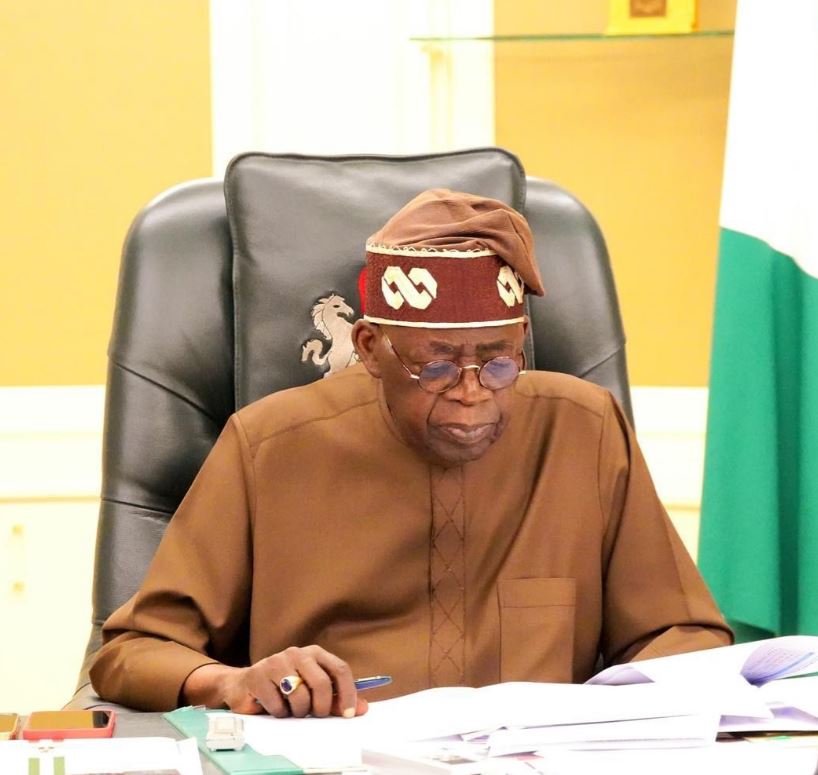
President Bola Tinubu has established a Presidential Task Force on Ebola Virus Disease Preparedness and approved the immediate release of N10 billion to strengthen Nigeria’s readiness against a possible outbreak.
The decision comes amid growing concern over the worsening Ebola outbreak in the Democratic Republic of Congo and Uganda, where hundreds of deaths have been recorded. The World Health Organisation has already classified the situation as a Public Health Emergency of International Concern.
According to a statement issued by the President’s Special Adviser on Information and Strategy, Bayo Onanuga, the task force will be chaired by the Chief of Staff to the President, Femi Gbajabiamila, and will include representatives from key ministries, government agencies and state governments.
The approved N10 billion intervention fund is expected to boost the operational capacity of the Nigeria Centre for Disease Control and Prevention (NCDC) and support emergency public health response measures across the country.
The task force was created following a high-level stakeholder meeting convened by Gbajabiamila to assess Nigeria’s preparedness for a potential Ebola threat. Participants included officials from the Ministry of Interior, Federal Airports Authority of Nigeria, Nigeria Immigration Service, Nigerian Civil Aviation Authority and the Lagos State Government.
As part of the measures announced, President Tinubu ordered stricter passenger screening at all international airports, including enhanced temperature checks, crowd-control measures and increased monitoring of travellers arriving from high-risk routes.
Airlines listed for closer surveillance include Air Uganda, RwandAir, Air Tanzania, Air Angola, Kenya Airways and Ethiopian Airlines, all of which operate direct or connecting flights from affected regions.
The President also directed the immediate activation of referral and isolation centres at the Lagos and Abuja international airports, with similar facilities to be established at other airports nationwide.
Additionally, passengers arriving from or transiting through designated high-risk countries will be required to complete QR code-based pre-arrival health declarations.
Airport authorities have also been instructed to intensify the disinfection of departure lounges, cargo terminals, baggage handling areas and other airport facilities as part of preventive measures.
Tinubu further directed the task force to consider designating specific terminals or airports for flights originating from high-risk countries to allow for more controlled screening and isolation procedures. Discussions are also expected with aviation, security and diplomatic authorities on the possibility of regulating flights from affected regions.
Read Also:
Tinubu Says Over 15,000 Housing Units Under Construction Nationwide
State governments hosting international airports and border entry points have been asked to submit detailed preparedness plans and funding requirements for coordinated implementation.
The current outbreak, linked to the Bundibugyo strain of the Ebola virus, was first detected in Ituri Province of the Democratic Republic of Congo in May before spreading into Uganda.
Health authorities reported over 500 confirmed cases and more than 90 deaths as of early June, while suspected cases have exceeded 1,000 with hundreds of fatalities recorded.
Unlike some previous Ebola strains, there is currently no approved vaccine or specific treatment for the Bundibugyo virus, although early medical intervention significantly improves survival chances.
Nigeria successfully contained a deadly Ebola outbreak in 2014 after recording 20 confirmed cases and eight deaths following the arrival of an infected traveller, Patrick Sawyer, at the Murtala Muhammed International Airport in Lagos. The government hopes the new measures will help prevent a repeat of that crisis.