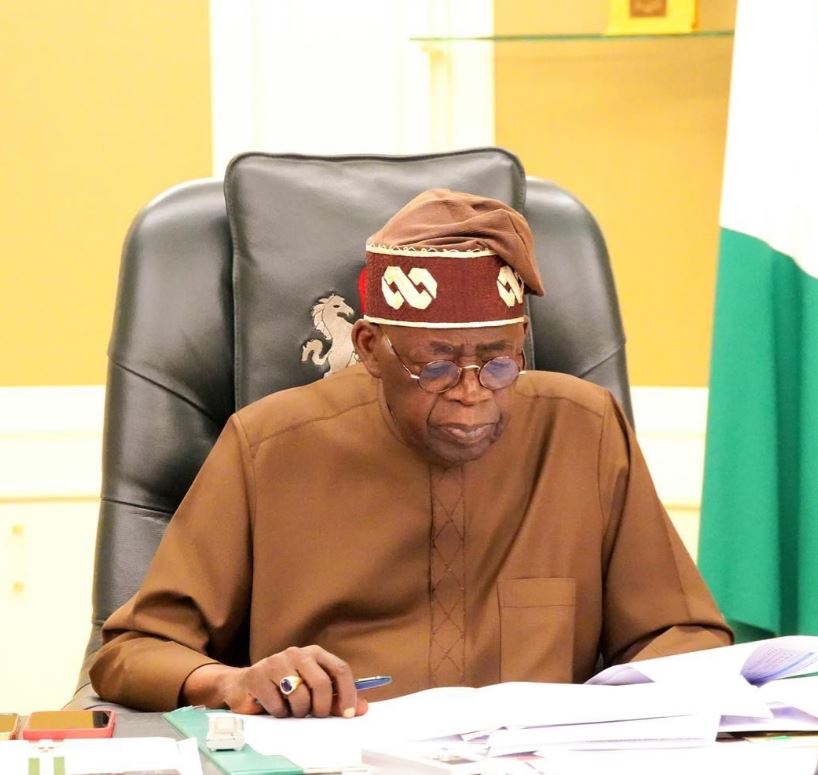
President Bola Tinubu has said Nigeria’s partnership with the United Kingdom remains vital in tackling insecurity, as he prepares for high-level talks with Prime Minister Keir Starmer.
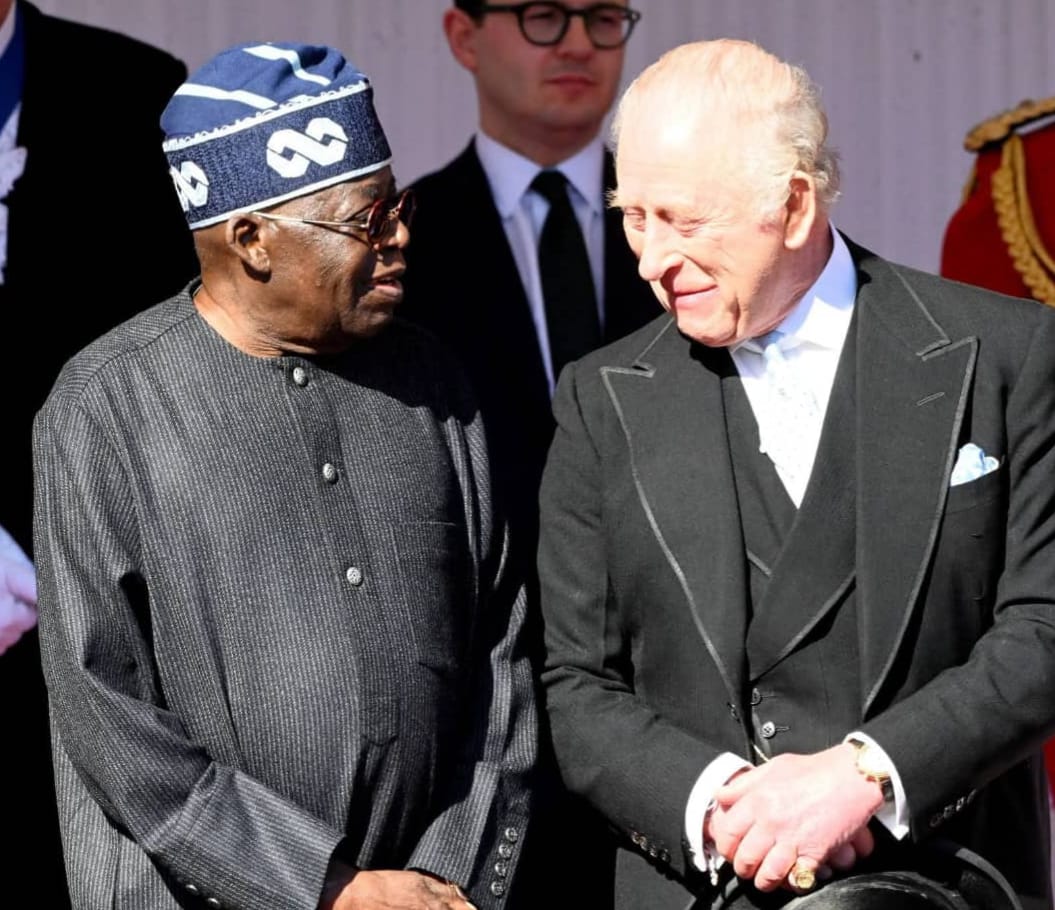
Speaking on Wednesday night at a state banquet hosted by King Charles III at Windsor Castle, Tinubu revealed that discussions with the British leader would focus on counter-terrorism efforts and the broader challenge of maintaining stability in West Africa.
He noted that Nigeria continues to bear a heavy burden in addressing terrorism across the region, particularly threats linked to the Sahel, and stressed that collaboration with the UK is essential in confronting these challenges.
Reflecting on his personal history, Tinubu expressed gratitude to the UK for offering him refuge during the military regime of Sani Abacha. He recalled how his residence was placed under the protection of the Metropolitan Police following threats from the junta, describing the support he received during those years as deeply meaningful.
The President said the experience remains a powerful reminder of the longstanding ties between both nations, noting that the solidarity shown during Nigeria’s pro-democracy struggle continues to shape relations today.
Tinubu also highlighted the deep institutional and cultural connections between Nigeria and the UK, pointing to shared legal traditions and parliamentary systems rooted in British history. He praised the contributions of Nigerians living in the UK, particularly healthcare professionals working within the National Health Service.
Read Also;
African Union Condemns Maiduguri Bombings, Pledges Support to Nigeria
He further emphasised Nigeria’s role in the Commonwealth, describing the country as a key player in the 56-member organisation and expressing optimism about its future despite ongoing security challenges.
The visit, which marks the first state trip by a Nigerian president to the UK in nearly four decades, is expected to strengthen bilateral relations, with agreements anticipated in areas such as trade, defence, and infrastructure development.