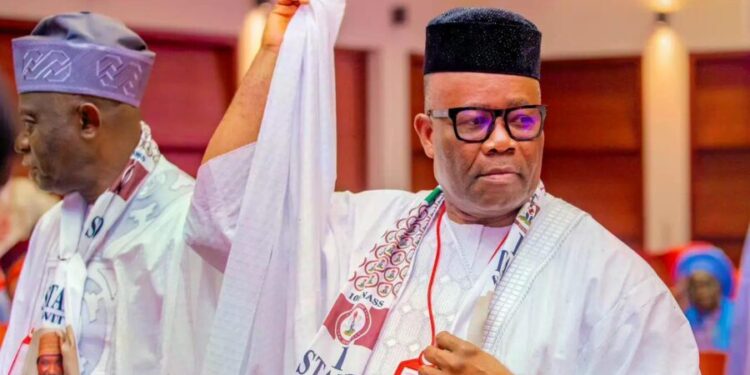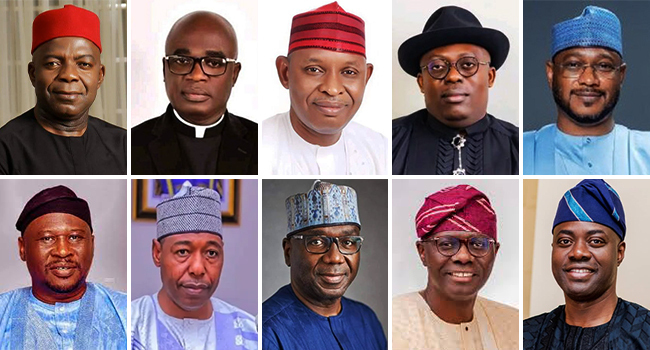
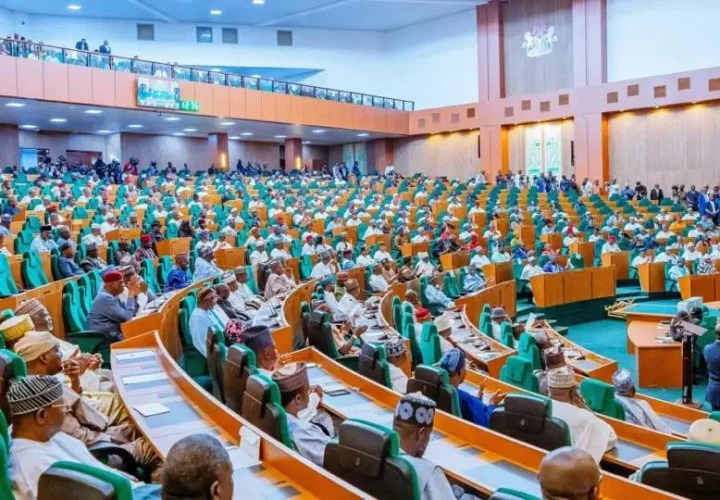
The All Progressives Congress (APC) House of Representatives primaries ahead of the 2027 general elections have sparked one of the party’s biggest internal crises in recent years, with at least 26 serving lawmakers losing their return tickets across several states.
The primaries, held in states including Rivers, Edo, Lagos, Ogun, Imo, Kwara, Benue, Plateau, Cross River and Ekiti, were marred by allegations of manipulation, imposition of candidates, consensus arrangements and irregularities.
Several aspirants were also disqualified during the screening process, while others withdrew from the race amid growing tension within the party.
The APC National Publicity Secretary, Felix Morka, confirmed that 14 aspirants failed the party’s screening exercise, although no detailed reasons were given. Among those disqualified were serving lawmakers Iduma Igariwey, Awaji-Inombek Abiante, Anderson Allison and Boma Goodhead.
In Rivers State, the screening outcome deepened the political divide between supporters of Governor Siminalayi Fubara and loyalists of FCT Minister Nyesom Wike. Some party members accused the leadership of using the process to settle political scores ahead of the elections.
Edo State also recorded major upsets as House Leader, Prof. Julius Ihonvbere, lost his ticket to former Commissioner for Mining, Andrew Ijegbai. Ihonvbere rejected the outcome, insisting no proper election took place and vowed to challenge the result.
Another lawmaker, Esosa Iyawe, also lost his bid and described the process as lacking transparency and fairness.
In Kwara State, tension rose after Tijani Kayode reportedly scored zero votes in the primary. The lawmaker questioned the credibility of the exercise and hinted at possible legal action.
Ogun State witnessed a similar drama as four lawmakers, including Deputy Chief Whip Isiaka Ibrahim, lost their tickets through what some described as an imposed consensus arrangement. Ibrahim accused Governor Dapo Abiodun of backing preferred candidates and claimed no real primary election was conducted in his constituency.
In Imo State, four lawmakers also lost their return tickets during the Option A4 voting process. Despite her defeat, lawmaker Miriam Onuoha accepted the outcome and pledged loyalty to the party leadership.
Lagos politics also produced major surprises as Speaker of the Lagos State House of Assembly, Mudashiru Obasa, displaced incumbent Hameed Adewale in Agege Federal Constituency. Other aspirants rejected the announced results, alleging that no genuine voting process took place.
Read Also:
Fierce lobbying, tension as APC primaries begin
In Ekiti State, the primaries were heavily criticised after three serving lawmakers lost their bids. Some aspirants described the process as chaotic, manipulated and undemocratic, while others accused party leaders of suppressing gender representation and internal democracy.
Violence also marred the exercise in Plateau State, where a resident identified as Sani Abdullahi was killed during clashes at the APC primary venue in Mangu Local Government Area.
In Benue State, the primaries exposed the growing rivalry between Governor Hyacinth Alia and Secretary to the Government of the Federation, Senator George Akume. Most of the candidates aligned with Governor Alia emerged victorious, while several allies of Akume lost out.
Consensus arrangements also dominated primaries in states like Kano, Kebbi, Katsina and Kogi, leading to complaints from several aspirants who claimed the process was manipulated in favour of preferred candidates.
Despite the widespread controversies, some APC leaders defended the exercise, insisting the primaries followed party guidelines and were aimed at maintaining unity within the party ahead of the 2027 elections.
However, many aggrieved aspirants and lawmakers have threatened to challenge the outcomes in court, arguing that the process fell short of democratic standards and undermined internal party democracy.