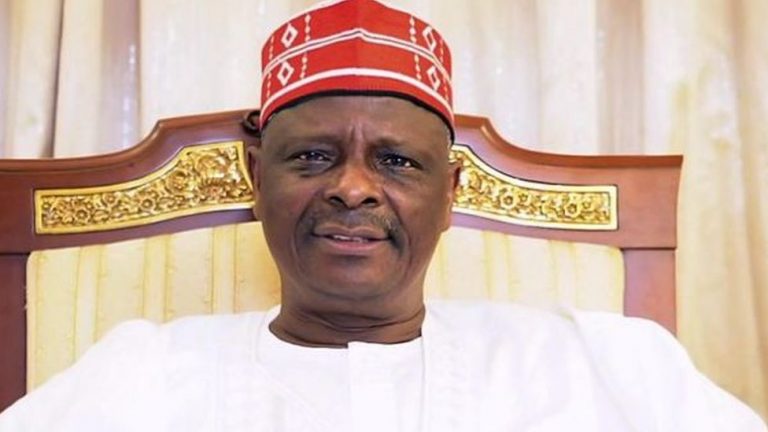
There are growing indications that a political alliance could be forming ahead of the 2027 general election, as camps loyal to Rabiu Kwankwaso and Peter Obi have confirmed ongoing discussions about a possible joint presidential ticket.
Kwankwaso, a former governor of Kano State, is expected to officially join the African Democratic Congress (ADC), where he will be received by the party’s leadership, including David Mark and Rauf Aregbesola. He is also likely to move alongside key allies, including former Kano deputy governor Aminu Gwarzo.
The move follows a series of high-level meetings and consultations. Over the weekend, Kwankwaso met with former Vice President Atiku Abubakar in Abuja, after earlier engaging with Aregbesola. He had also hosted Obi, Oyo State Governor Seyi Makinde, and former Bayelsa governor Seriake Dickson during the Sallah period in Kano.
Kwankwaso recently confirmed his resignation from the New Nigeria People’s Party (NNPP), describing it as a difficult but necessary step in response to the current political climate. He said the decision was part of a broader effort to reposition himself within a platform better suited to drive meaningful change in the country.
Despite his exit, NNPP officials say the party remains open to aligning with him if he chooses to contest under a different platform. According to the party’s spokesperson, any decision would be made collectively in line with its constitution.
On the Obi side, key figures within the Obidient Movement have also expressed optimism about a possible partnership. They say public sentiment appears to favour a collaboration between both leaders, especially following their performances in the 2023 elections.
Supporters argue that such an alliance could reshape the opposition landscape, with expectations that more parties may come together to form a broader coalition ahead of 2027.
Read Also;
PDP Convention Unveils New Leadership Amid Ongoing Party Divisions
While discussions are still ongoing, insiders suggest that both camps are now more open to working together than they were in the past. However, the final structure, platform, and agreement terms are yet to be decided.
Meanwhile, both camps have dismissed claims that recent political gatherings involving the two leaders were staged or artificially mobilised, insisting that the support seen was organic and driven by genuine public interest.
As political realignments continue, attention is now focused on how these talks evolve and whether they will eventually lead to a formal alliance capable of challenging the ruling party in the next election cycle.