The Nigerian military has defended its recent airstrike on Jilli market near the Borno–Yobe border, insisting the operation targeted a known terrorist enclave, even as outrage continues to grow over reports of heavy civilian casualties.
The strike, carried out on Saturday under Operation HADIN KAI, has drawn widespread criticism from local authorities, political figures, and human rights organisations, with conflicting reports on the number of those killed. While some sources put the death toll at over 40, others claim it could be significantly higher, reflecting ongoing uncertainty surrounding the incident.
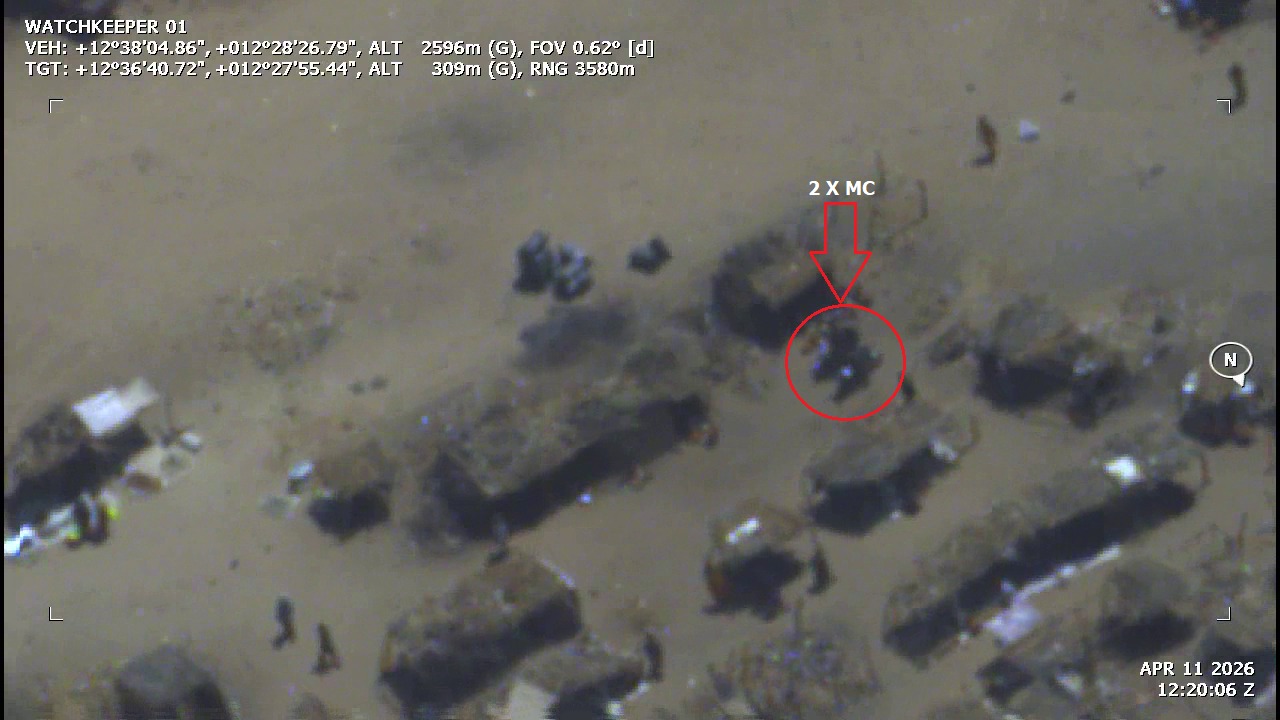
In its response, the military maintained that Jilli was not just a marketplace but a major logistics hub for fighters linked to the Islamic State West Africa Province (ISWAP). According to the Media Information Officer of Operation Hadin Kai, Lt. Col. Sanni Uba, the strike followed extensive intelligence gathering, surveillance, and reconnaissance operations that tracked suspicious movements of motorcycles and gun trucks converging on the area.
He stated that the operation was carefully planned and executed after multiple intelligence sources confirmed the presence of террорист elements and their collaborators at the location. The airstrike, he said, successfully neutralised several targets and disrupted planned attacks against military positions in the region.
Despite these claims, authorities in Yobe State acknowledged that civilians were affected. The State Emergency Management Agency described the incident as an accidental airstrike, noting that many of the victims were traders who had gathered for the weekly market. Emergency response teams have since been deployed to assess the situation and assist victims.
Borno State Governor, Babagana Zulum, also weighed in, confirming that the market had previously been shut down due to its alleged use by insurgents. He urged residents to avoid aiding or engaging with terrorist elements, warning that such associations could put lives at risk.
Human rights organisation Amnesty International strongly condemned the strike, describing it as reckless and calling for an independent investigation. The group alleged that over 100 people may have been killed and criticised the military’s use of air power in civilian-populated areas.
Former Vice President Atiku Abubakar also criticised the incident, calling it a “devastating failure” and questioning the value placed on Nigerian lives. He urged the government to ensure accountability and take urgent steps to prevent similar occurrences.
In response to the growing backlash, the Nigerian Air Force announced that it has launched an investigation into the allegations of civilian harm. The agency said its Civilian Harm Accident and Investigation Cell has been activated to conduct a fact-finding mission, stressing its commitment to transparency and the protection of innocent lives.
Read Also;
Police Arrest Suspects for Traffic Violations, Abduction of Officer in Ondo
Security experts have also called for reforms, urging the military to improve intelligence verification, adopt stricter targeting protocols, and strengthen civilian protection measures during operations.
While some analysts note the challenges of distinguishing between civilians and insurgents in asymmetric warfare, others argue that repeated incidents point to systemic gaps that must be urgently addressed.
The Jilli strike is the latest in a series of controversial military operations in the North-East, raising fresh concerns about the balance between counterterrorism efforts and civilian safety in conflict zones.