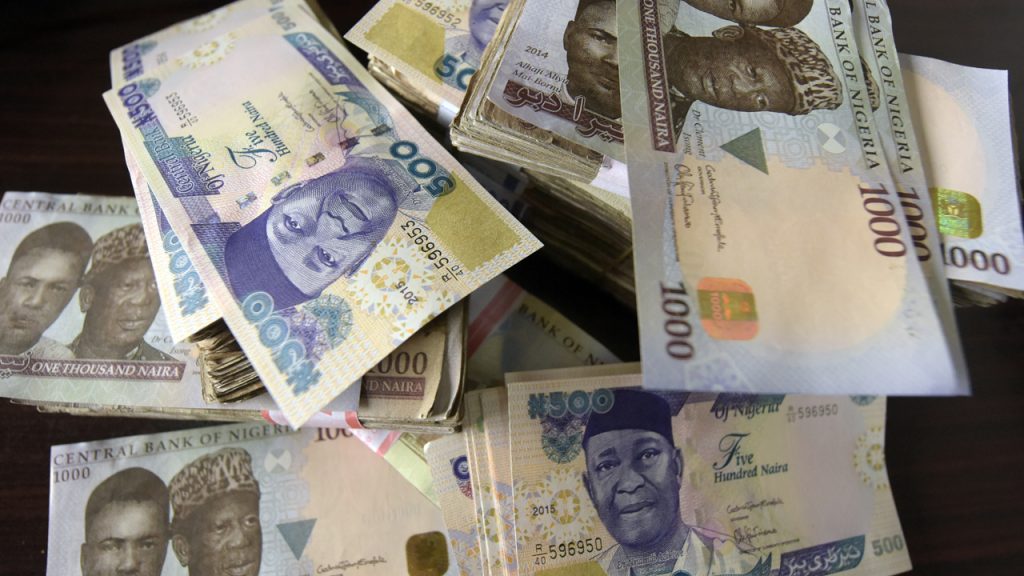
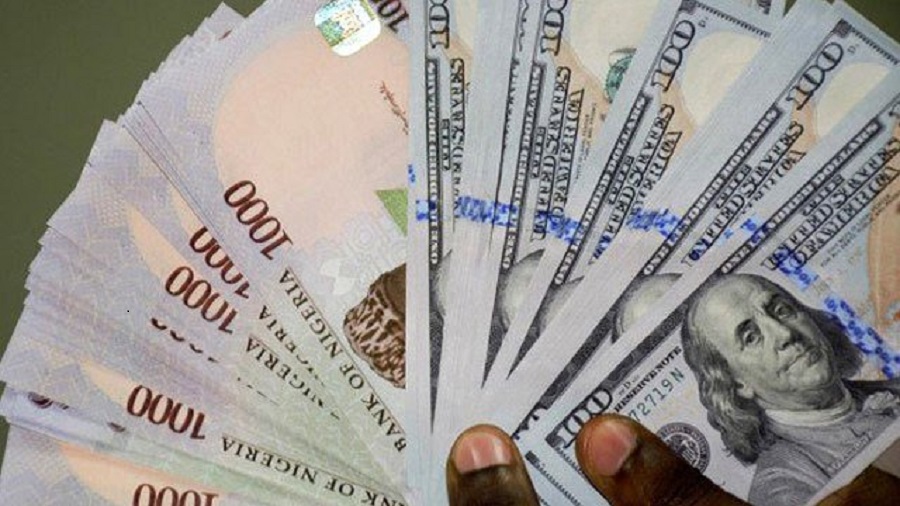
The Nigerian Naira started Friday, March 20, 2026, on a stable note against the US Dollar, reflecting investor confidence in the country’s strengthened external reserves and the Central Bank of Nigeria’s (CBN) consistent monetary policy.
In the official market, the Naira traded at an average of N1,352.89 per dollar, slightly stronger than the mid-week average of N1,357. The stability comes on the back of gross external reserves holding steady above $50 billion, currently at about $50.03 billion, bolstered by rising oil revenues and increased diaspora remittances. Brent crude prices remain above $100 per barrel, adding to the positive sentiment.
The parallel, or black market, also reflected stability, with dollars quoted at N1,410 for buying and N1,415 for selling in major hubs like Lagos, Kano, and Port Harcourt. The narrow gap of under 5% between official and parallel rates signals progress toward the CBN’s goal of exchange rate unification, helping to curb speculative panic buying.
Read Also;
Dollar to Naira exchange rate today, March 19, 2026
Analysts say several factors are underpinning the Naira’s relative strength:
Refining Capacity: The Dangote Refinery’s 700,000 barrels per day output has reduced foreign exchange demand for petroleum imports.
Monetary Policy: The CBN’s tight stance, with the Monetary Policy Rate at 26.5%, continues to attract foreign portfolio inflows.
Inflation Control: Headline inflation has eased to 15.06%, supporting the currency’s purchasing power.
As the week closes, investors are watching the next Monetary Policy Committee (MPC) briefing for guidance on future interventions. For now, high oil prices and solid reserves suggest a period of calm for the Naira.