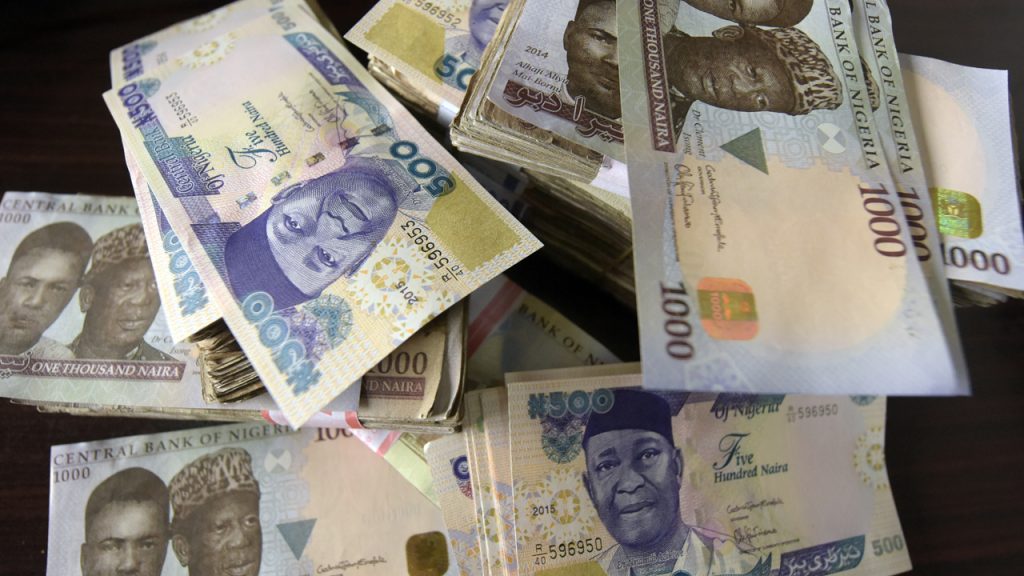
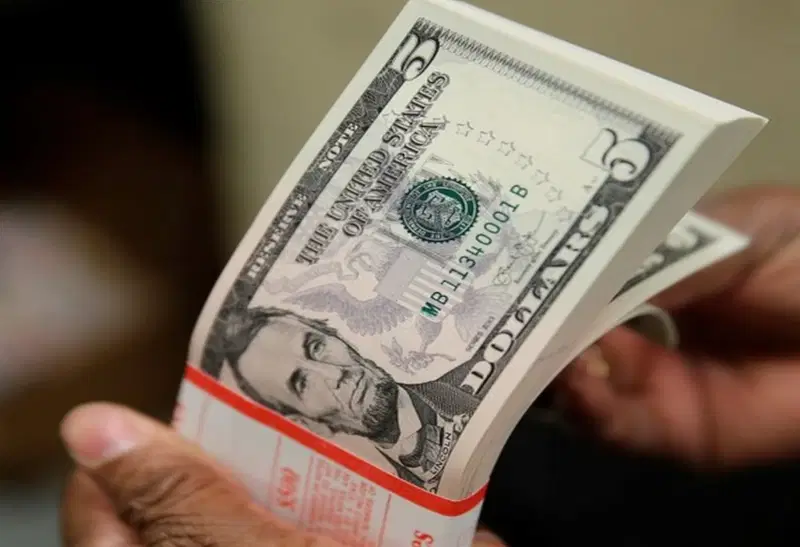
The Nigerian naira showed signs of strength against the US dollar in early trading on Monday, March 30, 2026, supported by improved liquidity in the foreign exchange market and positive outcomes from recent government debt auctions.
At the official Nigerian Foreign Exchange Market (NFEM), the naira began the week on a stronger note, trading at an average of ₦1,382.18 to the dollar during the morning session. This reflects a slight gain from Friday’s closing rate of ₦1,384.25, indicating a modest appreciation as the final week of the quarter kicks off.
Market stability has largely been driven by increased liquidity. Turnover at the official window rose to about $172.9 million in the last full trading session of the previous week. This was boosted by the Central Bank of Nigeria’s improved Electronic Foreign Exchange Matching System (EFEMS), as well as its decision to lower stop rates on long-term Treasury bills—moves that have helped ease pressure on yields and support the naira.
In the parallel market, the currency also held relatively steady, with the dollar trading between ₦1,405 and ₦1,420 across major cities like Lagos, Kano, and Abuja. The gap between the official and parallel market rates remains narrow, hovering between ₦25 and ₦35, suggesting better alignment between both markets.
Currency traders say the relative calm in the black market is due to the Central Bank’s consistent supply of foreign exchange for “invisible” needs such as travel allowances and school fees. This has reduced speculation, which often drives volatility in the informal market.
Several key economic factors are also supporting the naira. Nigeria’s external reserves are currently close to $50 billion, giving the apex bank enough room to stabilise the currency when needed. At the same time, strong oil prices—with Bonny Light crude trading above $103 per barrel—continue to boost foreign exchange inflows.
Read Also;
US Cuts Nigerian Crude Imports by Nearly Half in January
Inflation has also been easing, with the latest figure at 15.06%. Combined with a stable Monetary Policy Rate of 26.5%, this has strengthened investor confidence in naira assets.
Looking ahead, analysts expect the naira to trade within the ₦1,375 to ₦1,395 range in the coming days. While demand for foreign exchange may increase as companies settle international obligations before the quarter ends, the current surplus liquidity in the banking system—estimated at over ₦8 trillion—is expected to help keep the market stable.