
By Evans Ufeli Esq
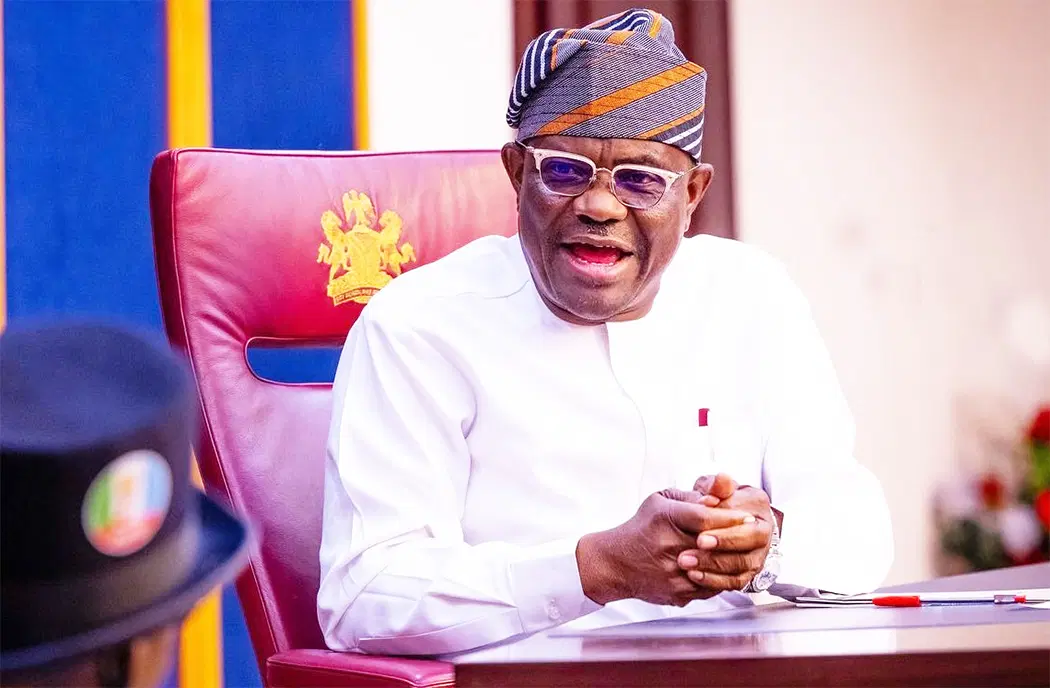
The recent live remarks by the minister of the FCT Nyesom Wike during an interview with Channels TV have reignited anxieties about the relationship between political power and media independence in Nigeria. Phrases such as “Do you know how many Channels TV staff I gave land?” and “Did you come here to interview me for free?” carry with them implications that go beyond the immediate exchange: they suggest potential leverage, reciprocal obligations, and a blurred line between patronage and editorial autonomy. For a democratic public sphere to function effectively, media outlets must be perceived as impartial watchdogs whose reporting is not conditioned by favors, property transfers, or financial entanglements.
First, the statements underscore the symbolic weight of patronage. Land, infrastructure, or other material support; especially when provided by political actors can create real or perceived dependencies. Even if no explicit quid pro quo exists, audiences may reasonably wonder whether such gifts influence editorial decisions, gatekeeping, or story prominence. Perception of bias can be as damaging as bias itself: it erodes public trust, fuels cynicism, and provides political actors with ammunition to dismiss uncomfortable coverage as partisan.
Second, the remarks raise ethical questions about journalistic standards and newsroom policies. Media organizations should have clear, transparent rules governing gifts, donations, and partnerships involving political figures. Such policies must be enforced consistently and communicated publicly to preempt conflicts of interest. Editorial independence also depends on internal safeguards: independent editorial boards, separation of business and newsroom functions, and whistleblower protections for journalists who resist managerial or commercial pressure.
Third, the exchange highlights the role of journalists in robustly defending press freedom while maintaining professional decorum. Challenging powerful figures on their record is essential, but so is ensuring that interviews are conducted in ways that probe transparently and fairly. Interviewers should prepare to follow up on statements that imply impropriety; asking for specifics, timelines, and documentation so that audiences have the facts necessary to judge the seriousness of any allegation.
Finally, the incident is a reminder of the broader institutional gaps in Nigeria’s media ecosystem. Regulatory bodies, professional associations, and civil society have roles to play: advocating for transparency, supporting investigative reporting, and offering capacity-building for ethics and governance. Media literacy campaigns can also help citizens better evaluate news sources and spot conflicts of interest.
In short, Wike’s comments are not merely rhetorical; they are a flashpoint that should prompt concrete action. Channels TV and other outlets would strengthen public confidence by disclosing any material arrangements with political actors, reaffirming editorial independence, and reviewing internal ethics policies. Meanwhile, journalists and media managers should use the moment to reinforce standards that insulate reporting from both real and perceived influence.