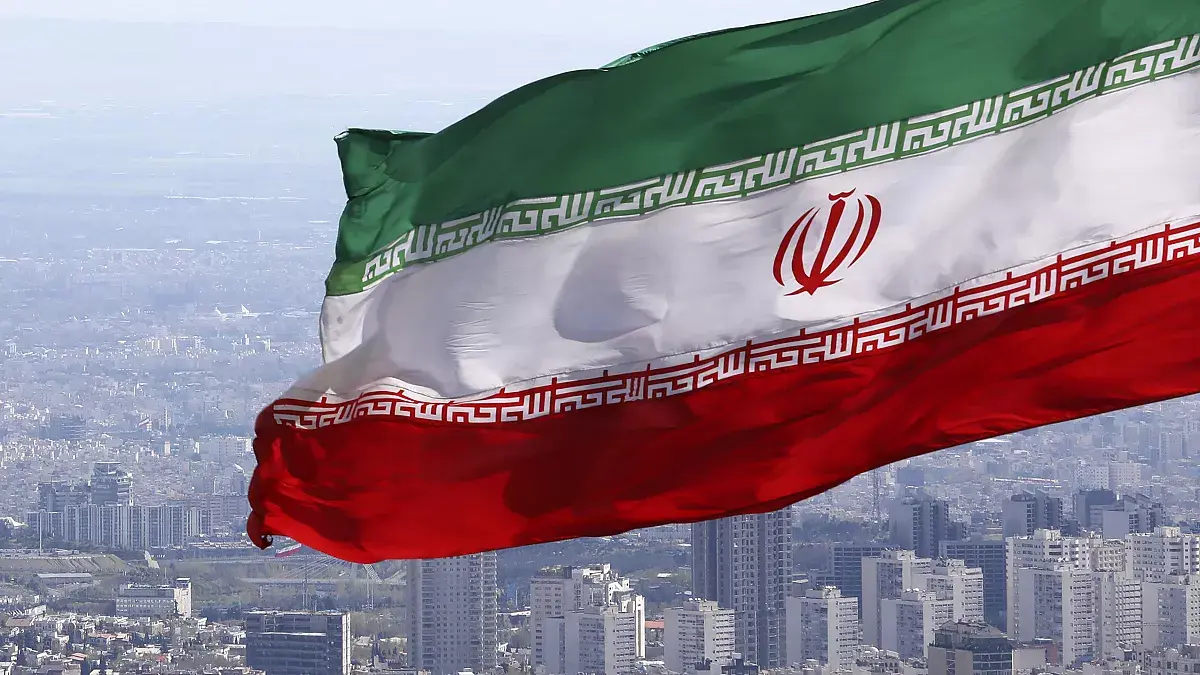
Tensions between Iran and the United States have escalated again after Tehran warned that any American move to intervene in the Strait of Hormuz would be seen as a violation of the ongoing Middle East ceasefire.
The warning came on Monday, shortly after former US President Donald Trump announced plans for a new maritime operation aimed at escorting stranded vessels through the strategic waterway.
Trump described the initiative, which he called “Project Freedom,” as a humanitarian effort to assist ships and crews caught in the blockade, many of whom are reportedly running low on food and essential supplies.
“We will use our best efforts to get their ships and crews safely out of the Strait,” he said, adding that operations would begin immediately.
However, Iran pushed back strongly. A senior lawmaker heading the Iranian parliament’s national security commission warned that any such move by the US would be treated as a breach of the ceasefire agreement reached on April 8.
The Strait of Hormuz, one of the world’s most critical shipping routes, has remained effectively blocked following recent US and Israeli strikes on Tehran, with Iran tightening its control over the area. The disruption has significantly affected global supplies of oil, gas, and fertilisers.
According to reports, over 900 commercial vessels are currently stranded in the Gulf, highlighting the scale of the crisis.
Despite the rising tension, Trump suggested that diplomatic talks were still ongoing, expressing optimism that negotiations with Iran could lead to a positive outcome. Tehran, on its part, is said to have proposed a 14-point plan aimed at ending hostilities and reopening the waterway.
Meanwhile, the US military has outlined a major deployment for the escort mission, including guided-missile destroyers, over 100 aircraft, unmanned systems, and about 15,000 personnel.
Read Also;
Three Police Officers Killed as Suspected Terrorists Attack Kwara Mobile Police Camp
European leaders have also raised concerns about the prolonged closure of the strait. Germany’s Foreign Minister, Johann Wadephul, called for an immediate reopening, stressing the need for a diplomatic solution while urging Iran to address concerns over its nuclear programme.
The economic impact is already being felt globally, with oil prices reportedly rising by about 50 per cent since the conflict began.
On both sides, rhetoric has continued to intensify. While Washington warned it would respond forcefully to any interference with its escort operation, Iranian officials issued strong counter-threats, signalling the risk of further escalation.
With negotiations stalled and military posturing increasing, the situation around the Strait of Hormuz remains fragile, raising concerns about a broader regional crisis if tensions are not quickly de-escalated.