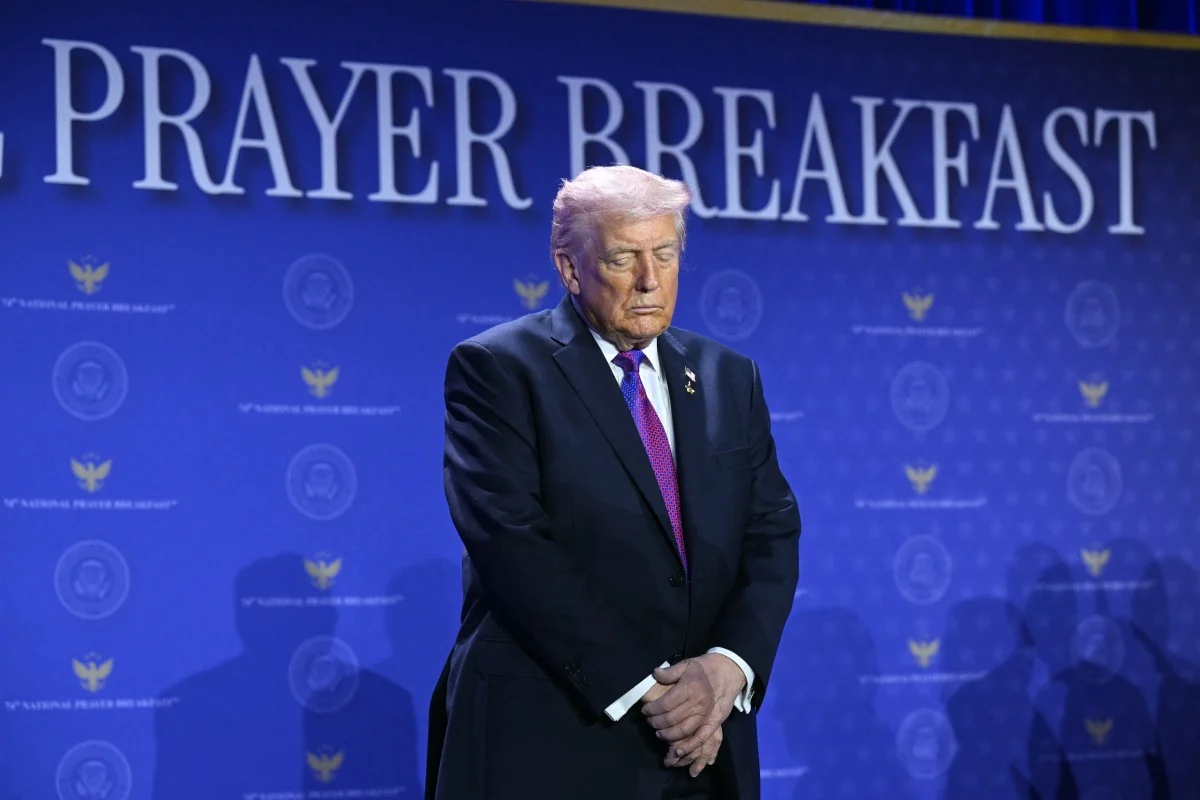
President Donald Trump and his administration moved swiftly on Tuesday to clarify the rationale behind recent US strikes on Iran, after remarks by Secretary of State Marco Rubio sparked political controversy.
Rubio had told reporters on Monday that Washington was aware of a planned Israeli action and feared it would trigger retaliation against American forces. He suggested the US acted pre-emptively to prevent higher casualties, saying, “We knew that there was going to be an Israeli action… and if we didn’t go after them before they launched those attacks, we would suffer higher casualties.”
The comments unsettled Democrats — many of whom argue that only Congress has the constitutional authority to declare war — as well as some of Trump’s core supporters who have long opposed foreign military interventions.
Administration officials later pushed back against the interpretation that the US was drawn into the conflict by Israel. They insisted the strikes were authorised because Iran was not engaging seriously in negotiations over limiting its nuclear programme and because Washington needed to weaken Tehran’s missile capabilities.
White House Press Secretary Karoline Leavitt wrote on X that Rubio did not suggest Israel had dragged the United States into war.
Speaking alongside German Chancellor Olaf Scholz at the Oval Office, Trump offered his own explanation. “Based on the way the negotiation was going, I think they were going to attack first. And I didn’t want that to happen,” he said, adding, “If anything, I might have forced Israel’s hand.”
Rubio later reiterated that the action was inevitable, telling lawmakers that the president had decided Iran could not be allowed to operate under the cover of potential future attacks.
Critics, however, accused Trump of launching the country into another conflict without clear justification, congressional approval, or a defined endgame. They also pointed to Trump’s recent meeting with Israeli Prime Minister Benjamin Netanyahu as evidence of mounting pressure to take a tougher stance.
Republican allies defended the president. Senator Tom Cotton, chairman of the Senate Intelligence Committee, said on Fox & Friends that “No one pushes or drags Donald Trump anywhere,” arguing that the president acts in the national security interest of the United States.
Read Also;
IMN Members Protest in Lagos, Northern States Over Reported Killing of Iran’s Supreme Leader
Still, the controversy comes at a sensitive time, as looming midterm elections could threaten Republican control of Congress. Some figures within Trump’s political base have expressed concern about renewed foreign entanglements.
Congresswoman Marjorie Taylor Greene, once a strong Trump ally, wrote on X that the nation appeared divided between those who want to fight wars abroad and those who prefer domestic stability and economic relief.
As debate continues in Washington, questions remain over the long-term implications of the strike and whether it signals a broader escalation in US-Iran tensions.