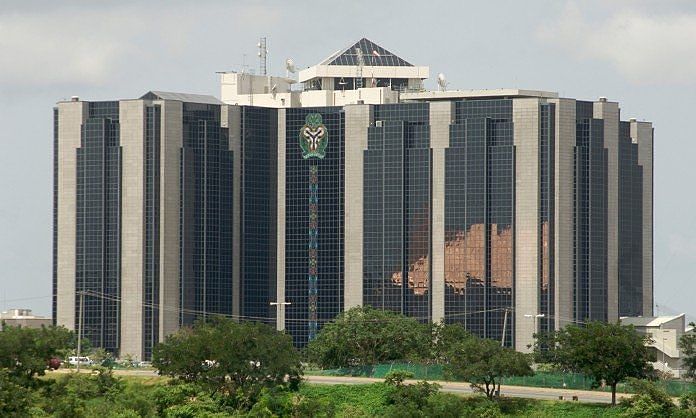
The Central Bank of Nigeria has added domestically sourced gold, refined to international standards, to the country’s foreign reserves, raising its total gold holdings to about $3.5 billion.
In a statement issued on Wednesday, the apex bank said the bullion was refined to the London Bullion Market Association (LBMA) Good Delivery standards — a globally recognised benchmark for gold quality. The development marks a significant milestone in the bank’s strategy to diversify Nigeria’s reserve assets.
According to the CBN, the gold was sourced locally and aggregated by the Solid Minerals Development Fund under the National Gold Purchase Programme. The programme works with local miners and follows responsible sourcing guidelines aligned with the Organisation for Economic Co-operation and Development’s due diligence framework and the World Gold Council’s London Principles.
Speaking at a one-day workshop held on February 27, 2026, the Governor of the CBN, Olayemi Cardoso, explained that the gold was purchased in naira at prices linked to LBMA benchmarks. He noted that this structure enables the bank to build up its reserves without drawing down foreign currency, while also strengthening the country’s gold stock.
Cardoso said the initiative supports macroeconomic stability and improves the quality of Nigeria’s external reserves. He added that the move reflects a broader global trend, as central banks increasingly turn to gold as a hedge against inflation and geopolitical uncertainty.
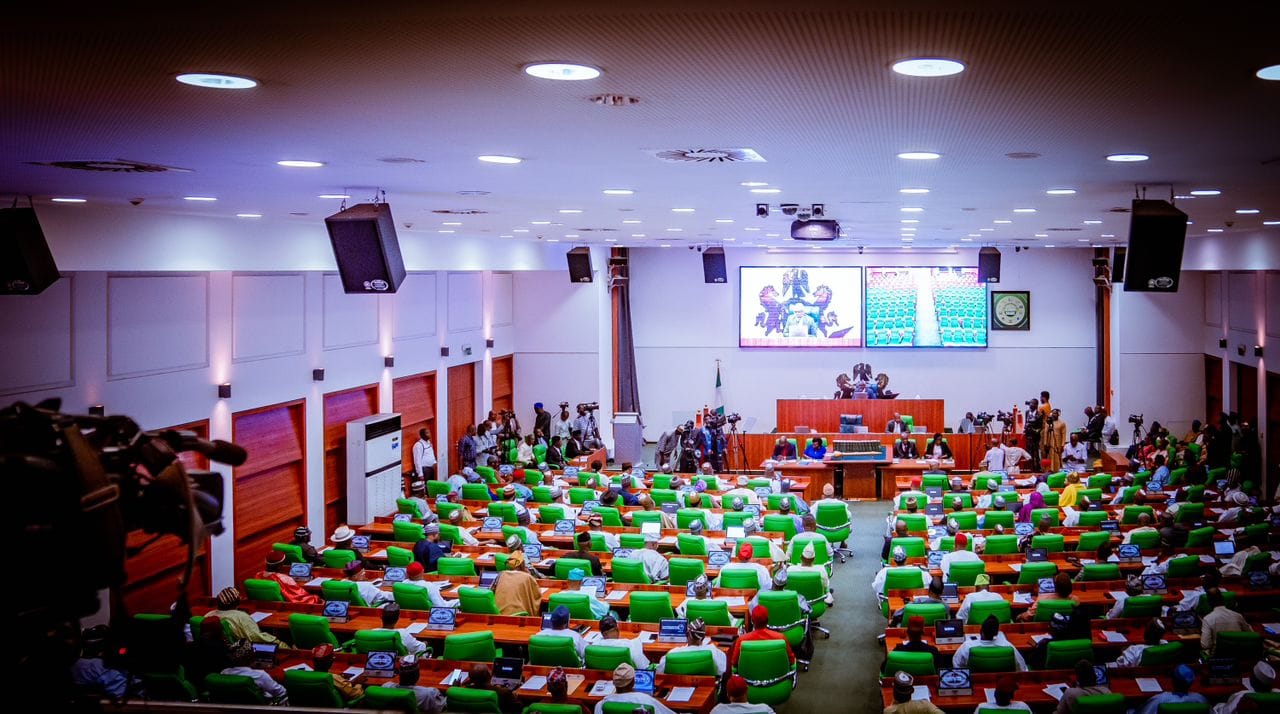
The governor emphasised that buying locally refined gold not only strengthens reserve buffers but also supports the development of Nigeria’s domestic mining sector. He noted that the workshop, organised by the CBN’s Corporate Secretariat and Reserve Management Departments, provided a platform for stakeholders across the gold value chain to explore ways of maximising the economic value of Nigeria’s mineral resources.
Also speaking at the event, the Executive Secretary of the Solid Minerals Development Fund, Fatima Shinkafi, described the successful delivery of LBMA-standard gold as proof of the strength of the fund’s formalisation and supply chain due diligence processes.
The Director of Central Banks and Public Policy at the World Gold Council, Ms Kurtulus Taskale-Diamondopoulos, commended the CBN and SMDF for designing the programme in line with internationally recognised responsible sourcing principles. She said the partnership between the CBN as sole off-taker and the SMDF as supply chain manager could serve as a model for other countries.
Similarly, the President and Chief Executive Officer of the Africa Finance Corporation, Samaila Zubairu, reaffirmed support for efforts to formalise and strengthen Nigeria’s mineral sector. He stressed the importance of accurate geological data and improved mineral processing infrastructure to attract investment and boost gold recovery.
Read Also;
Dollar to Naira exchange rate today, March 4, 2026
The Executive Vice Chairman of Kian Smith Gold Company, Ms Nere Emiko, called for greater investment in exploration and transparency, noting that Nigeria’s gold reserves remain modest compared to many peer nations.
The CBN said the Domestic Gold Purchase Programme is part of its broader strategy to enhance reserve quality, reduce external vulnerabilities and position Nigeria’s mineral wealth as a pillar of long-term economic stability.
Earlier, Cardoso disclosed that Nigeria’s net foreign exchange reserves rose sharply to $34.80 billion at the end of 2025, up from $3.99 billion at the end of 2023. Gross external reserves increased to $45.71 billion at the end of 2025 and stood at $50.45 billion as of February 16, 2026.
While gross reserves represent the total foreign assets held by the CBN — including foreign currencies and gold — net reserves exclude short-term liabilities, offering a clearer picture of the funds readily available to defend the naira and meet external obligations.