The Nigerian naira began the new trading week on a relatively stable note against the United States dollar, reflecting the continued impact of recent policy reforms by the Central Bank of Nigeria.
Official Market Movement
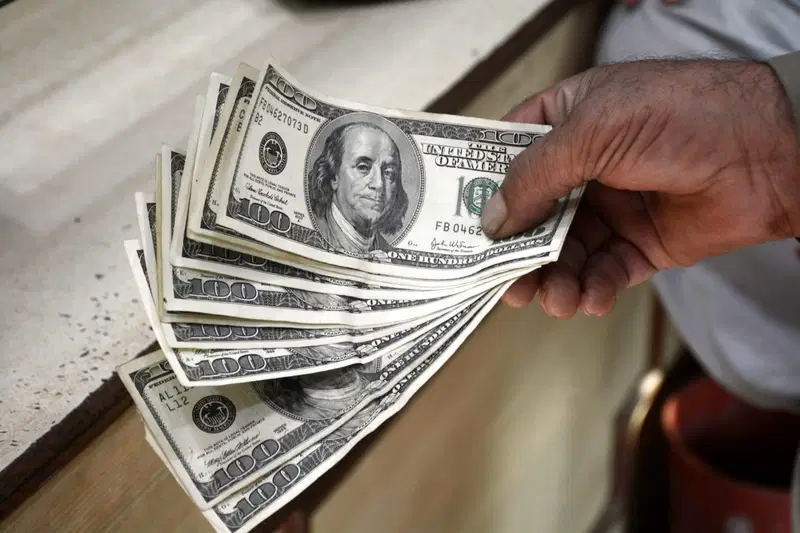
At the official Nigerian Foreign Exchange Market (NFEM), the naira traded at about ₦1,356.74 to the dollar, showing only a slight adjustment from recent sessions. Over the past week, the currency has moved within a narrow range of roughly ₦1,344 to ₦1,370, with closing rates largely settling around ₦1,355.
Analysts say this relative calm is linked to improvements in the Electronic Foreign Exchange Matching System (EFEMS), which has helped improve transparency and reduce speculative pressure in the market.
Parallel Market Activity
In the parallel market, the naira continues to trade at a higher rate, with the dollar currently selling between ₦1,410 and ₦1,430 in cities like Lagos and Abuja. Despite this gap, the difference between the official and street rates has narrowed compared to previous periods.
The reintroduction of licensed Bureau De Change operators into the official system has played a key role in boosting liquidity. This has helped redirect smaller retail demands—such as school fees and travel expenses—away from the black market, easing pressure on the currency.
Economic Outlook
Nigeria’s broader economic outlook is providing some support for the naira. External reserves remain strong at around $50 billion, backed by steady oil production of about 1.46 million barrels per day and favourable global oil prices.
Read Also;
Dollar to Naira exchange rate today, March 20, 2026
The Monetary Policy Committee has also maintained a tight monetary stance, keeping interest rates high to control inflation, which has eased slightly to about 15.10 percent.
Additionally, progress in the banking sector—where over 30 banks have met new capital requirements ahead of the March 31 deadline—has strengthened confidence in the financial system.
Overall, while challenges remain, recent reforms and improved market structure appear to be helping the naira find a more stable footing.