Fresh tensions in the Middle East have dealt a blow to expectations of lower fuel prices in Nigeria, following Iran’s decision to shut the Strait of Hormuz again.
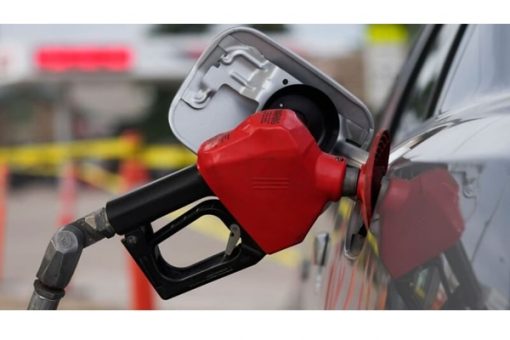
The strategic waterway, which handles about 20 per cent of global oil supply, had briefly reopened on Friday after a ceasefire between Iran and the United States. The development initially raised optimism that petrol prices in Nigeria could fall significantly.
However, that hope was short-lived. Within 24 hours, Iran reclosed the route, citing the continued US blockade of its ports as the reason for the move. Reports of attacks on vessels attempting to pass through the strait further heightened concerns about global oil supply.
The reopening had earlier triggered a drop in crude oil prices, with analysts suggesting that petrol could fall below ₦1,000 per litre if stability was sustained. But with the renewed disruption, market confidence has weakened again.
Oil prices have since reacted to the uncertainty, rebounding sharply as tensions escalated over the weekend.This volatility has made it difficult to sustain any downward trend in fuel prices.
Read Also;
Drivers Block Upper Sakponba Road Over Fuel Price Hike
Industry players in Nigeria say the reclosure has effectively halted expectations of an immediate price reduction. Instead, the current price regime is likely to persist until there is a more stable and lasting ceasefire agreement between both countries.
The situation highlights how strongly Nigeria’s fuel prices are tied to global oil dynamics. Even temporary disruptions in key supply routes like the Strait of Hormuz can quickly reverse gains and keep pump prices elevated.
For now, both marketers and consumers are adopting a cautious stance, watching closely for any diplomatic breakthrough that could stabilise the market and bring relief at the pumps.