Iran has said it is not planning to take part in upcoming negotiations with the United States, as tensions between both countries continue to escalate ahead of the expiration of a fragile Middle East ceasefire.
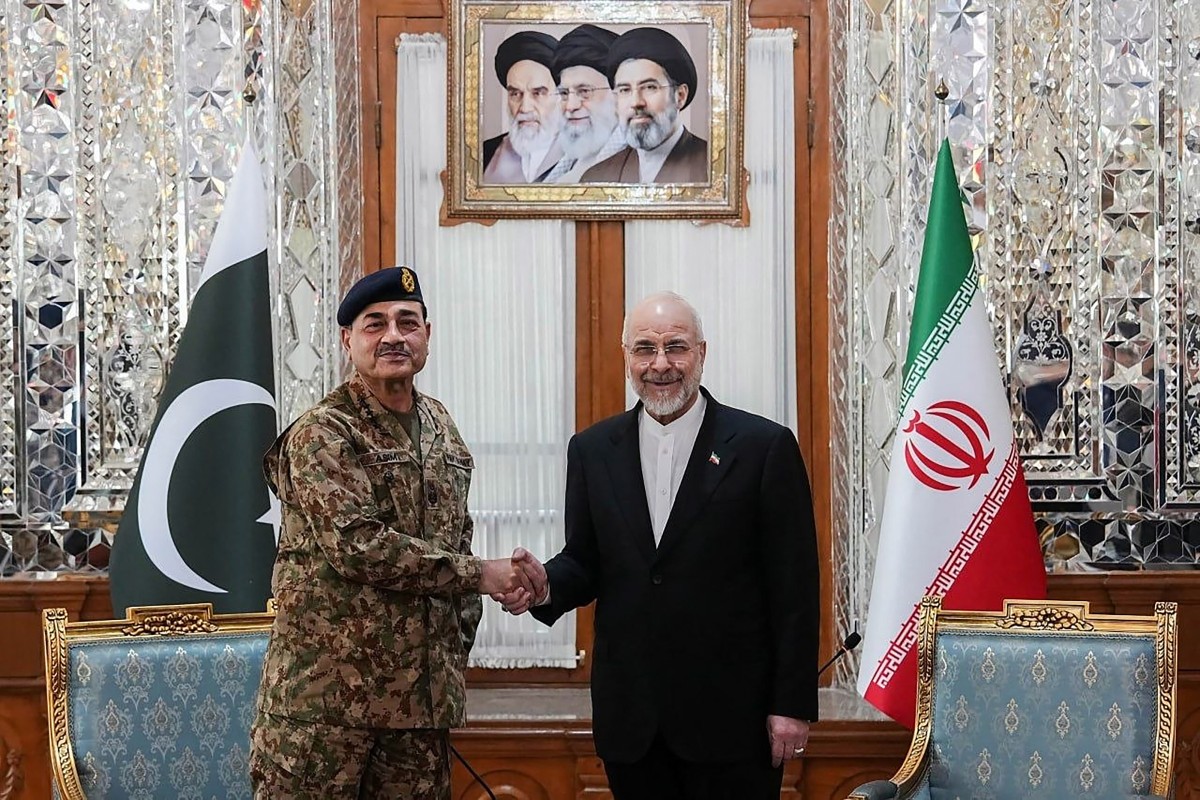
According to Iranian state media, there are currently no arrangements for a new round of talks with Washington, despite Donald Trump directing American negotiators to travel to Islamabad for possible discussions.
The diplomatic standoff has been worsened by the ongoing US naval blockade of Iranian ports, which Tehran has described as a major obstacle to any meaningful dialogue. Iranian officials insist that lifting the blockade is a key condition before negotiations can proceed.
The situation further deteriorated on Sunday when a US naval vessel intercepted and seized an Iranian cargo ship accused of attempting to bypass the blockade. American authorities said the vessel was stopped after refusing orders, with US forces reportedly damaging its engine before taking control.
Iran swiftly condemned the action, warning of retaliation. State-affiliated media reported that drones had been deployed toward US military ships in response, signalling a potential escalation.
Iranian news agencies, including Tasnim and Fars, cited unnamed sources describing the current atmosphere as tense and not conducive for productive talks. Another state outlet, IRNA, blamed what it called “unrealistic demands” from Washington and the continued blockade for the lack of progress.
The crisis comes just days before a temporary ceasefire—agreed after months of conflict involving Iran, the United States, and Israel—is set to expire. So far, only one round of direct talks has taken place, a 21-hour session in Islamabad earlier in April, which ended without a breakthrough.
Read Also;
Sharif Begins Middle East Diplomatic Tour Amid US-Iran Tensions
President Trump has expressed optimism about reaching an agreement, stating that the US has presented what he described as a “fair and reasonable deal,” while also warning of further action if negotiations fail.
At the heart of the conflict is Iran’s control of the Strait of Hormuz, a crucial global shipping route through which a significant portion of the world’s oil passes. Iran’s earlier move to restrict access to the waterway has disrupted global markets and intensified pressure on Washington to respond.
In retaliation, the US imposed a naval blockade aimed at cutting off Iran’s oil exports. However, Iran has labelled the move illegal and a violation of the ceasefire, warning that any vessel attempting to pass through the strait without its approval could be targeted.
With both sides holding firm positions and military tensions rising, the chances of a diplomatic breakthrough appear uncertain, raising fears of a renewed escalation in the region.